Chad: can prosecuting five minors in military uniforms reveal who pulled the strings?
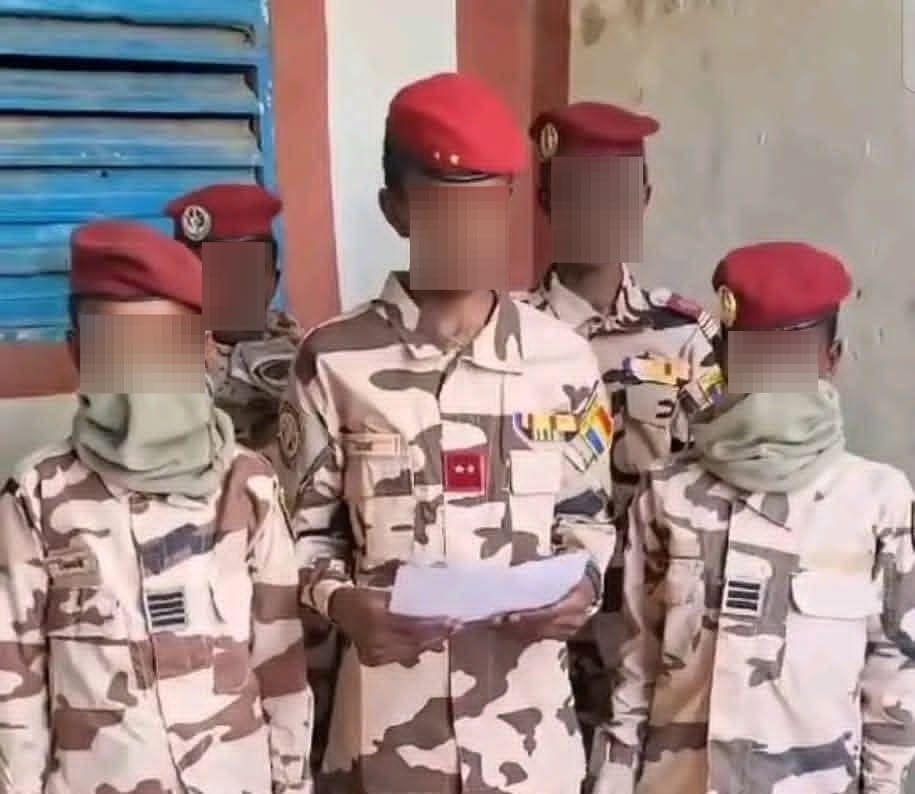
After a video showing five minors in military uniforms making hostile remarks spread online, the N’Djamena prosecutor’s office opened an inquiry to establish whether adults orchestrated their actions — raising a difficult question about where childhood protection ends and accountability begins.
What triggered the N’Djamena inquiry
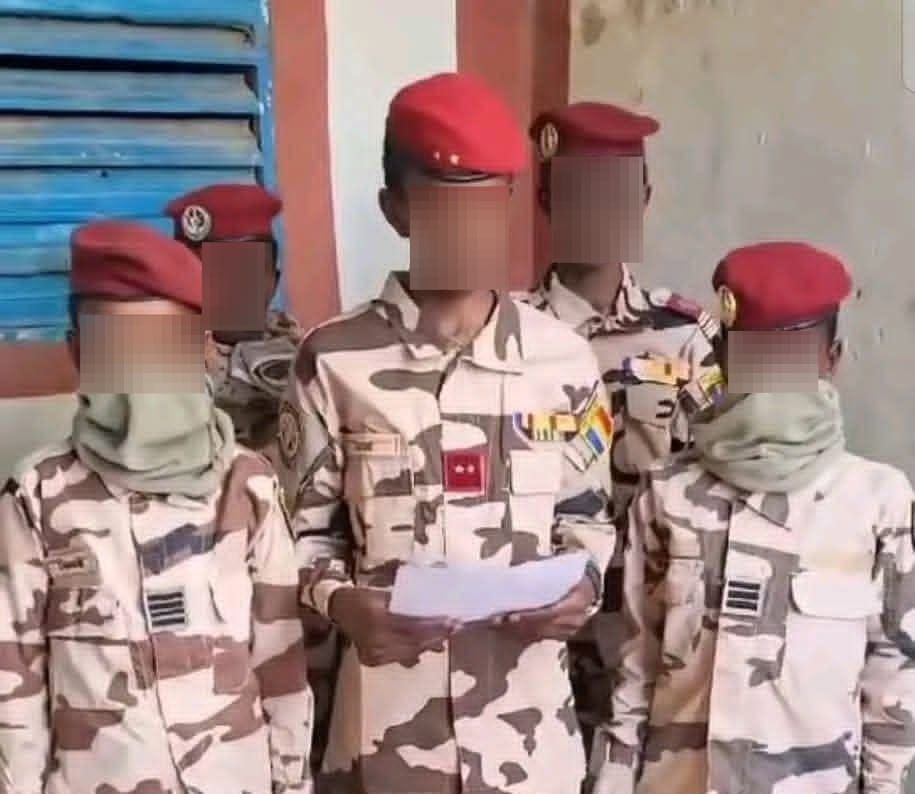
The case began with a clip shared on social media showing five underage boys dressed in military-style uniforms and voicing hostile remarks directed at the head of state and state institutions. The prosecutor’s office in N’Djamena has since provided an update on how the matter is being handled.
The five minors were taken in by judicial police officers in the presence of their parents and questioned under the rules that apply to juvenile justice. The prosecutor’s office stressed that the investigation remains open and that the evidence gathered must be reviewed impartially, with due respect for the presumption of innocence and established legal procedure.
Protection and accountability: a delicate balance
While acknowledging that being a minor calls for special protection, the judicial authority made clear this does not automatically rule out possible responsibility. It pointed to the need to weigh education, reintegration and the safeguarding of public order against one another.
The prosecutor’s office also urged media outlets and social media users to protect the anonymity and dignity of the minors by avoiding the circulation of content that could lead to their identification.
Where the investigation is heading now
The inquiry is now turning toward whether adults may have organised, encouraged or exploited these young people. The prosecutor’s office issued a firm warning against any instrumentalisation of youth and reminded the public that social media platforms are not a lawless space.
The case has reignited discussion about how minors are supervised and how digital platforms are used.