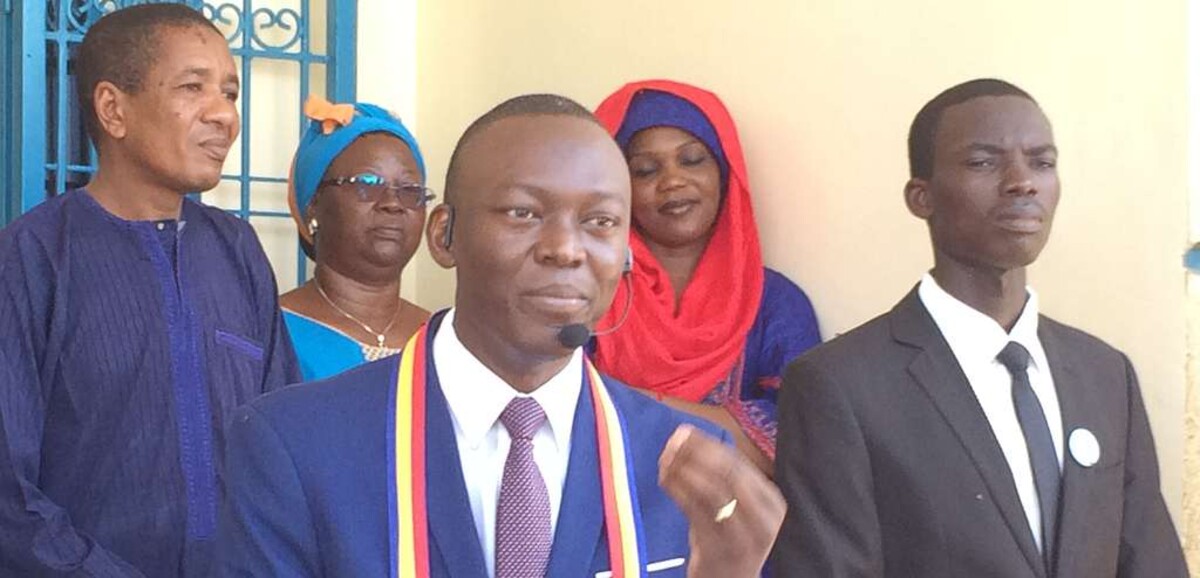
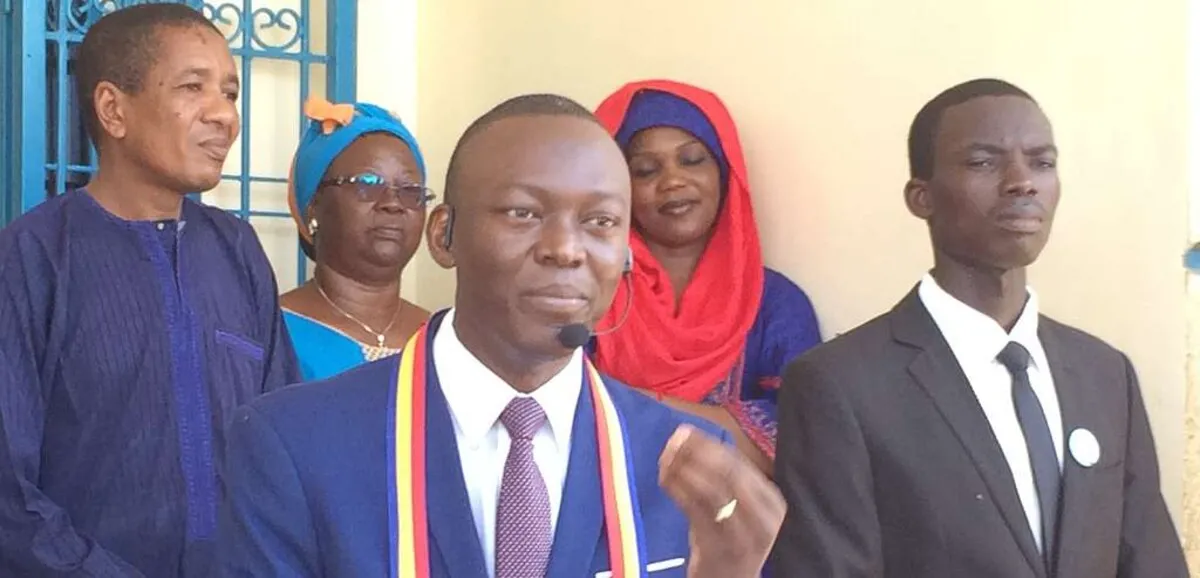
In a significant development, Succès Masra, the former Chadian Prime Minister and a prominent opposition figure, received a presidential pardon from President Mahamat Idriss Déby on Friday. This decision ends his more than year-long incarceration, where he was serving a 20-year prison sentence.
A presidential act of clemency
Succès Masra has been granted a full remission of his prison sentence, according to a decree signed by President Mahamat Idriss Déby on Friday, which was subsequently published by the Chadian presidency. The former Prime Minister, who also leads the opposition party Les Transformateurs, had been serving a 20-year firm prison term for over a year. This presidential pardon, as outlined in the decree, results in a “total remission of custodial sentences for the condemned.” In addition to Masra, eight other political figures, including leaders and secretaries-general of political parties from the former GCAP, also benefited from this presidential grace, bringing the total number of pardoned political leaders to nine.
A leading opposition figure
As an economist by training, Succès Masra stands as one of the most significant figures within the Chadian opposition. He was appointed Prime Minister in January 2024, just months before the presidential election, which was ultimately won by Mahamat Idriss Déby. Masra’s party had vocally challenged the electoral process, citing irregularities during the ballot. This act of clemency unfolds amidst a political landscape where Chadian authorities are actively working to solidify President Déby’s power, following his ascent to the nation’s leadership after the death of his father, Idriss Déby Itno, in 2021.
Political ramifications of the gesture
The release of Succès Masra could represent a pivotal political gesture, particularly given that his initial arrest and conviction had triggered widespread reactions both within Tchad and internationally. While this presidential pardon concludes his detention, it also potentially reopens discussions about his future political role in a country where the opposition continues to face substantial limitations.