Tchad : 66 ans après l’indépendance, l’impératif d’une révolution des transports
Sixty-six years after gaining independence, Chad faces a significant challenge: structuring its intercity transport network to stimulate the economy and ensure secure citizen mobility.
Sixty-six years after achieving independence, Chad continues to grapple with a significant paradox: despite its immense territory and strategic position at the heart of Central Africa, internal mobility largely depends on roads and an inadequately structured intercity transport network. Modernizing transport has now become a stated priority for the government. But what kind of framework is necessary to connect N’Djamena to cities like Moundou, Sarh, Abéché, Mongo, Faya-Largeau, or Bol, ensuring safety, regularity, and comfort befitting a nation aiming for accelerated development?
A country immense, a network still fragile
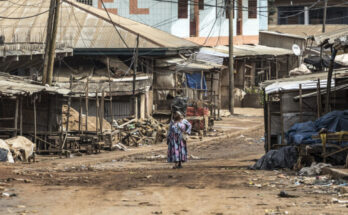
Chad, spanning an area of 1,284,000 km², faces economic challenges imposed by its sheer distances. For its citizens, traveling from one province to another can take several hours, often an entire day. Roads remain the primary mode of transportation. Chadian transport infrastructure has long suffered from an insufficient network and the complete absence of railways. Even an earlier assessment by the Banque Mondiale highlighted the absolute dominance of road transport and the scarcity of regular intercity services.
Today, authorities are determined to change this reality. In March 2026, the government formally prioritized national territorial accessibility, infrastructure modernization, and enhanced national and international connectivity within the transport sector.
From artisanal transport to an organized network
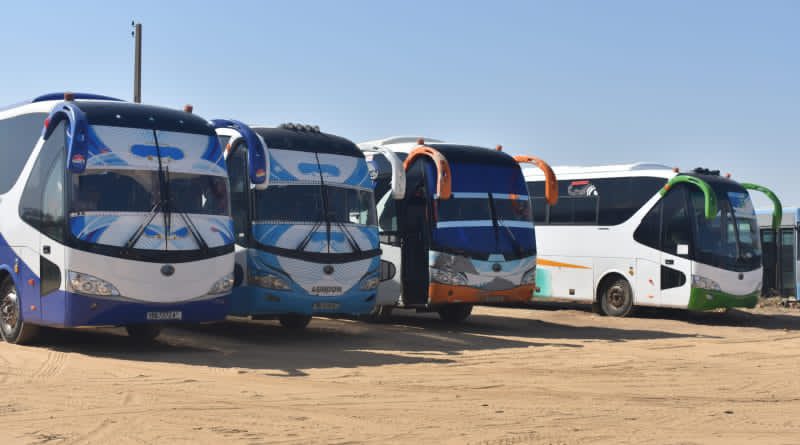
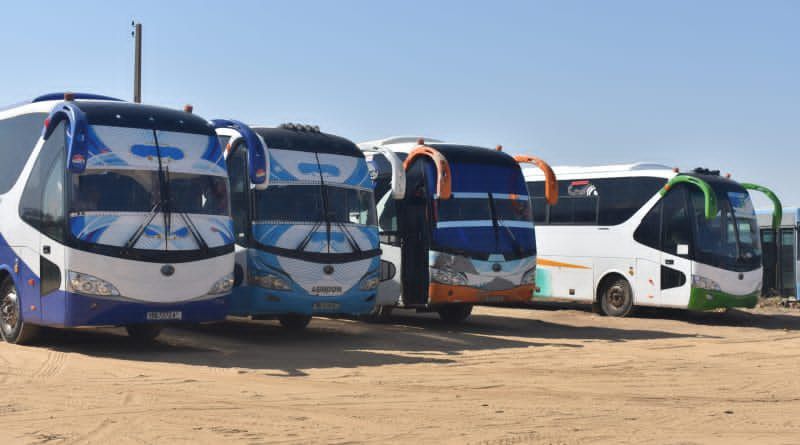
The true challenge extends beyond simply increasing the number of vehicles. It involves constructing a comprehensive national intercity transport system: this means licensed companies, modern bus terminals, fixed schedules, proper ticketing, mandatory technical inspections, compulsory insurance, driver training, and robust security measures. Currently, travelers often choose among various private operators whose schedules, departure conditions, and comfort levels can vary dramatically.
A national network organized around major corridors holds significant potential. Routes such as N’Djamena–Moundou–Sarh, N’Djamena–Mongo–Abéché, N’Djamena–Massakory–Bol, or N’Djamena–Faya-Largeau could become priority corridors, featuring daily departures and regulated fares. The goal wouldn’t necessarily be to establish a single public company, but rather to implement a system where the state sets the rules and the private sector delivers the services.
The Senegalese model offers valuable inspiration for Chad. In Dakar, authorities have initiated a restructuring of the public transport network, incorporating Bus Rapid Transit (BRT), the Regional Express Train (TER), and conventional buses. The first phase of this restructuring program includes 400 new buses, 14 lines, two workshop-depots, and over 30 km of upgraded roadways, all designed with an intermodal logic. Chad could adapt this approach to its own scale: a transport company is only truly effective when integrated into a broader network. For Chadian intercity transport, this implies modern terminals at the exits of N’Djamena, dedicated terminals in major cities, and well-organized connections.
Similarly, Rwanda demonstrates the benefits of stringent organization. Between 2024 and 2025, Kigali reorganized its public transport system around seven corridors, up from four previously, while increasing the number of operators from three to thirteen. The government also acquired 200 new buses.
The key takeaway for Chad is clear: while the quantity of vehicles matters, regularity, regulated competition, and service quality are equally crucial. A bus that departs on time, with a known fare and a clearly displayed destination, represents a significant leap forward for any traveler. Intercity transport should not be viewed solely as a passenger service; it is also indispensable for commerce.
A farmer in Moundou needs to be able to transport produce quickly to N’Djamena. A livestock breeder requires access to markets. A student from Abéché must be able to reach their university. A patient needs reliable access to a hospital.
This underscores why road investments must go hand-in-hand with transport service investments. In 2025, the Banque Mondiale approved 170 million dollars to enhance connectivity in the Lake Chad region, specifically funding the paving of 55 km between Liwa and Rig-Rig, 12 km of access roads to Bol, and 50 km of rural roads. These vital infrastructures must now be integrated into a coherent national mobility policy.
And why not rail?
In the longer term, Chad will also need to seriously consider railway development. Given its vast distances and substantial freight volumes, the nation cannot perpetually rely solely on trucks and buses for all its mobility needs.
Rail could progressively link major economic basins to borders and regional trade corridors. The government has, in fact, included the development of a railway network among the projects under consideration in its transport sector action plan. However, rail infrastructure represents a heavy investment. Therefore, the immediate priority remains the modernization of the road network and the professionalization of bus transport services.
Chad’s model should be straightforward: it doesn’t need to replicate Dakar or Kigali entirely, but must forge its own path based on five core priorities: year-round passable roads, professional transport companies, modern terminals, road safety, and accessible fares.
Additionally, the implementation of digital ticketing, vehicle tracking, regular technical inspections, and published schedules are essential. After 66 years of independence, traveling from one Chadian city to another should no longer be an arduous adventure. Transport acts as an invisible infrastructure for development. Without mobility, there is no national market; without a national market, true economic integration remains elusive. The Chad of 2030 must be able to answer a simple question: how can a citizen traverse the country safely, affordably, and within a predictable timeframe?
It is under these conditions that roads will cease to be merely a means of travel and truly become an instrument of national development.