Niger grapples with rising cholera cases amid heavy rainfall
More than 600 Nigeriens have been hospitalized in recent weeks due to a sudden surge in cholera cases across the Maradi and Zinder regions.
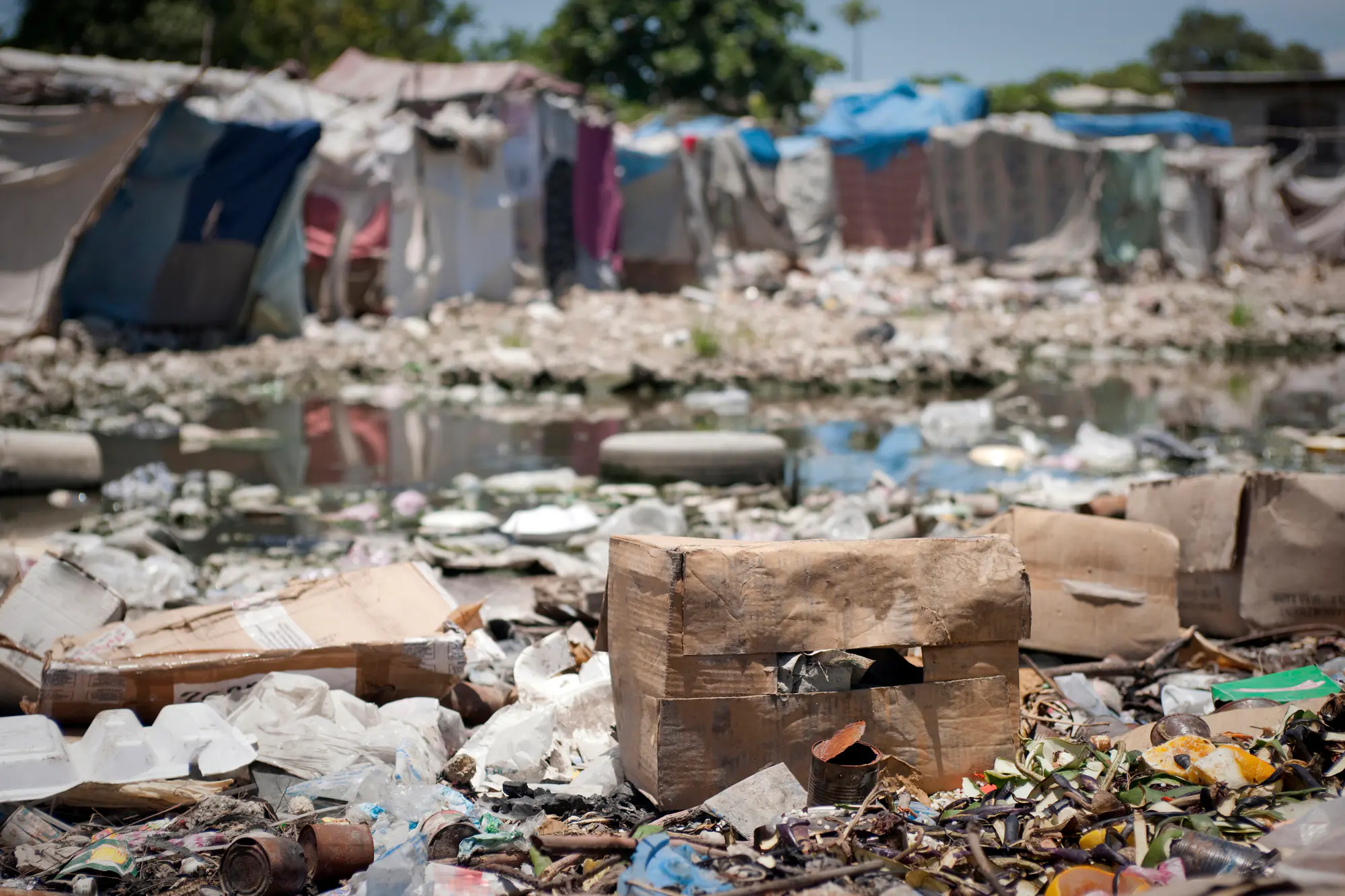
Heavy seasonal rains along the border between Niger and Nigeria have triggered an alarming resurgence of cholera. This acute intestinal infection stems from Vibrio cholerae bacteria, which thrive in contaminated and stagnant water sources. Health authorities report that over 600 cases have been confirmed across affected regions, with 400 recoveries and 156 patients currently undergoing treatment.
Cholera spreads rapidly when infected individuals contaminate food and water through poor hygiene practices. Inadequate sanitation systems, limited access to clean water, and insufficient latrine facilities exacerbate the crisis. Without immediate action, the outbreak could escalate further.
Why is cholera resurging in Niger?
Cholera has reappeared intermittently in Niger since the devastating outbreak of 2018. Many residents have lost immunity to the disease over time, making them particularly vulnerable this year. The combination of heavy rainfall and overwhelmed water infrastructure creates ideal conditions for the pathogen to spread.
Health authorities respond to the crisis
To combat the outbreak, health officials have established dedicated treatment centers in the most affected regions. Medical teams are actively raising awareness about free treatment options and preventive measures. However, addressing the root causes—such as improving water supply infrastructure and sanitation—remains critical for long-term control.
The current cholera surge has already claimed at least 19 lives. While emergency measures are underway, sustained efforts are necessary to prevent future outbreaks and safeguard public health in Niger.