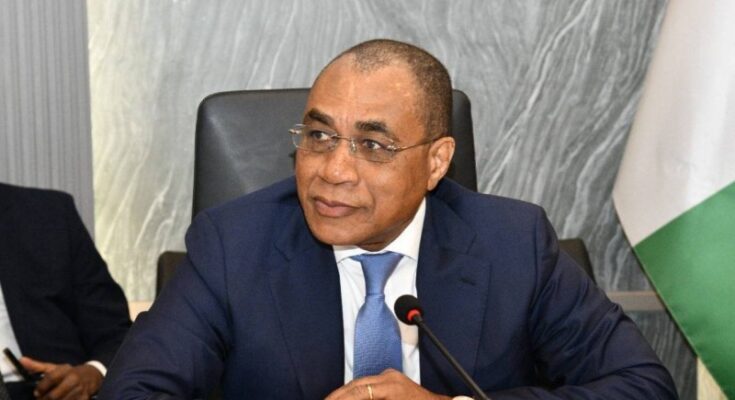
The government of Côte d’Ivoire has taken a decisive step toward environmental stewardship by rolling out a groundbreaking national carbon taxation strategy. Led by the Ministry of Economy, Finance and Budget, this initiative aims to curb greenhouse gas emissions and accelerate the shift toward a more sustainable economic model.
Confronting climate and economic challenges head-on
Post-pandemic economic recovery in Côte d’Ivoire has brought undeniable growth, but it has also driven a concerning rise in carbon emissions. Official data shows the country’s carbon intensity increased from 0.15 to 0.18 metric tons per thousand dollars of GDP between 1990 and 2024. This escalation stems from heavy reliance on fossil fuels, growing transport networks, rapid industrialization, and emission-heavy agricultural practices.
Climate change now poses a direct threat to the nation’s economic fabric. Rising temperatures, erratic rainfall patterns, and mounting environmental risks are already straining key sectors—especially agriculture, which remains the backbone of employment and GDP in Côte d’Ivoire.
Aligning with global climate commitments
This tax reform reflects Côte d’Ivoire’s commitment to meeting international climate goals. Through its updated Nationally Determined Contribution (NDC 3.0), the country has pledged to cut greenhouse gas emissions by 33.07% independently, and up to 74% with international support, by 2035.
The initiative also aligns with structural reforms negotiated under the IMF’s Resilience and Sustainability Facility (RSF). Designing a localized carbon tax framework is a central pillar of this effort, ensuring the policy fits Côte d’Ivoire’s unique economic and social context.
Overhauling a weak fiscal landscape
Côte d’Ivoire already employs several fiscal tools aimed at environmental protection, including levies on petroleum products, targeted green taxes, and fees in forestry and mining. However, these measures have primarily served revenue generation rather than driving low-carbon transitions.
The new strategy seeks to amplify the environmental impact of fiscal policy, incentivizing businesses and households to adopt greener practices through stronger economic signals.
A progressive, socially conscious carbon tax
The proposed carbon tax will focus on fossil fuels, excluding butane gas. Modeling suggests that an initial levy of $8 per ton of CO₂ could reduce emissions by 0.2 million tons. Scaling up the tax to $50 per ton could cut up to 1.2 million tons of CO₂.
While the reform may temporarily raise fuel prices and slightly dampen economic growth, authorities plan to mitigate these effects by redirecting tax revenues to support vulnerable households and green transition efforts.
Reinvesting carbon revenue for inclusive impact
Proceeds from the carbon tax will prioritize expanding universal electricity access nationwide. A portion of funds will subsidize cleaner cooking solutions, such as gas and solar stoves, reducing dependence on charcoal.
The plan also includes direct cash transfers to low-income families, investment in green job creation, and retraining programs for workers in sectors affected by ecological transition. Additionally, incentives for low-emission vehicles—such as tax breaks, exemptions, and expanded charging infrastructure—are part of the roadmap.
Phased rollout to ensure effectiveness
The strategy will be implemented in three stages from 2026 to 2035. The first phase (2026–2027) focuses on establishing the legal, institutional, and technical groundwork. The second (2028–2029) introduces the carbon tax at a modest rate. The final phase (2030–2035) refines the mechanism, evaluates progress, and adjusts policies as needed.
Through this integrated approach, Côte d’Ivoire aims to balance economic prosperity, social equity, and environmental protection—meeting the urgent demands of a warming planet.