Armed with advanced weaponry, Mali continues to struggle in its fight against rebel forces in the north. Around Kidal, the deployment of drones, tactical bombers, and precision-guided munitions has not translated into battlefield success. The issue isn’t firepower—it’s the lack of doctrinal mastery and strategic insight within the Malian command structure.
Why advanced weapons aren’t turning the tide in Mali
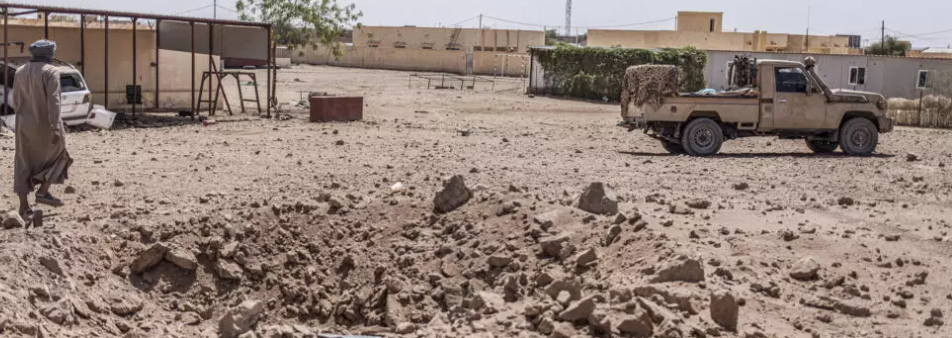
Mali’s military has invested heavily in cutting-edge aerial assets, yet these tools remain underutilized. The fundamental problem lies in the command hierarchy’s inadequate education and training. Sophisticated weaponry demands sophisticated operational knowledge—something Mali’s military leadership currently lacks. Instead of executing well-coordinated strikes integrated with ground forces, commanders often rely on isolated, repetitive airstrikes. These actions, devoid of tactical depth, fail to break rebel strongholds and only deplete resources.
The Kidal frontline exposes critical command failures
Despite relentless aerial bombardments and drone surveillance, rebel groups in and around Kidal continue to hold their ground. The persistent inability to shift the battlefield balance stems from a command structure that struggles to adapt. Mali’s military leadership appears locked in a rigid, unimaginative approach—repeating the same ineffective strategies without adapting to terrain or enemy tactics. Nighttime airstrikes, for example, demonstrate a lack of innovation, offering little more than symbolic displays of force rather than meaningful tactical advances.
The cost of strategic illiteracy in asymmetric warfare
In today’s Malian conflict, where asymmetrical warfare dominates, adaptability is key. Rebel forces exploit the landscape, using mobility, concealment, and local knowledge to outmaneuver a command structure that relies on outdated, one-dimensional tactics. The Malian military’s failure to learn from past operations compounds the problem. Repeated missteps in planning and execution waste resources and sustain a deadlock that benefits no one.
For Mali’s military, advanced weaponry has become a costly illusion. Without the intellectual framework to deploy these tools effectively, firepower alone cannot secure victory. The real battle is not fought in the skies but in the minds of those who direct the war. Until Mali addresses the fundamental deficit in strategic education within its command ranks, the lines around Kidal—and elsewhere—will remain frozen in place.