African Atlantic nations gather in Cotonou to advance shared prosperity
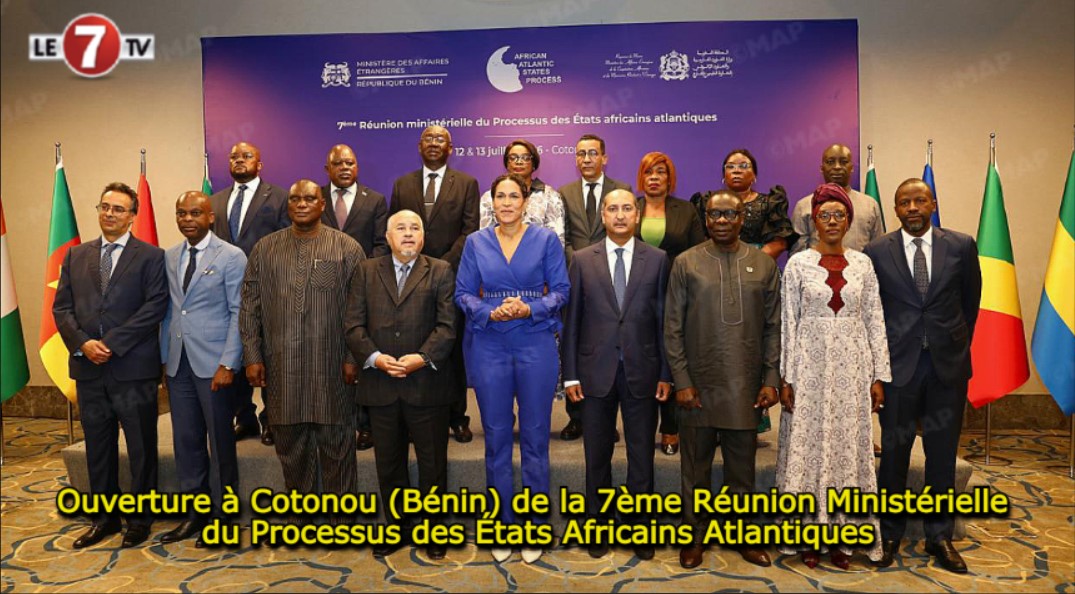
Ministers from African countries bordering the Atlantic Ocean convened in Cotonou for the seventh ministerial meeting of the African States Atlantic Process (ASAP), co-chaired by Morocco and Benin. The gathering, held under the high patronage of His Majesty King Mohammed VI, aims to solidify political momentum for this continental initiative.
The Moroccan delegation, led by Mohamed Methqal, Director-General of the Moroccan Agency for International Cooperation (AMCI), included key figures such as Tarik Iziraren, Permanent Secretary of the ASAP, and Rachid Rguibi, Morocco’s Ambassador to Benin, along with officials from the Ministry of Foreign Affairs, African Cooperation, and Moroccan communities abroad.
ASAP’s vision for a united Atlantic African zone
The African States Atlantic Process embodies King Mohammed VI’s vision of transforming the Atlantic African space into a hub of peace, stability, and shared prosperity. Since its inception in Rabat in June 2022, the initiative has achieved significant milestones, including the establishment of a permanent secretariat in Rabat, the formation of three thematic working groups, and the adoption of a joint action plan.
The action plan prioritizes political dialogue, maritime security, blue economy, maritime connectivity, energy, and marine environmental protection. Successive ministerial meetings—held in Rabat, New York (on the sidelines of the UN General Assembly), and Praia (May 2025)—have resulted in declarations and action plans to strengthen cooperation among Atlantic African nations in areas like maritime safety, fisheries preservation, energy transition, and sustainable development.
Cotonou meeting to strengthen regional integration
The Cotonou ministerial session seeks to deepen coordination among member states, fostering greater integration and co-development across the Atlantic African space. By aligning strategies and pooling resources, participants aim to create tangible benefits for the region’s 22 coastal nations, home to over 300 million people.