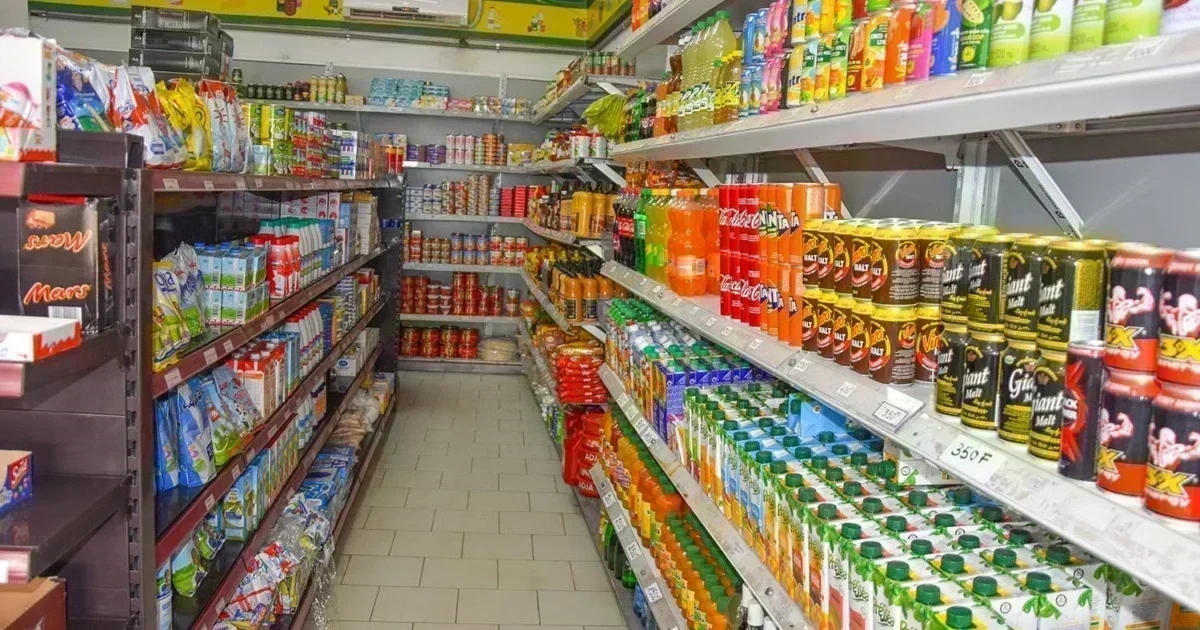
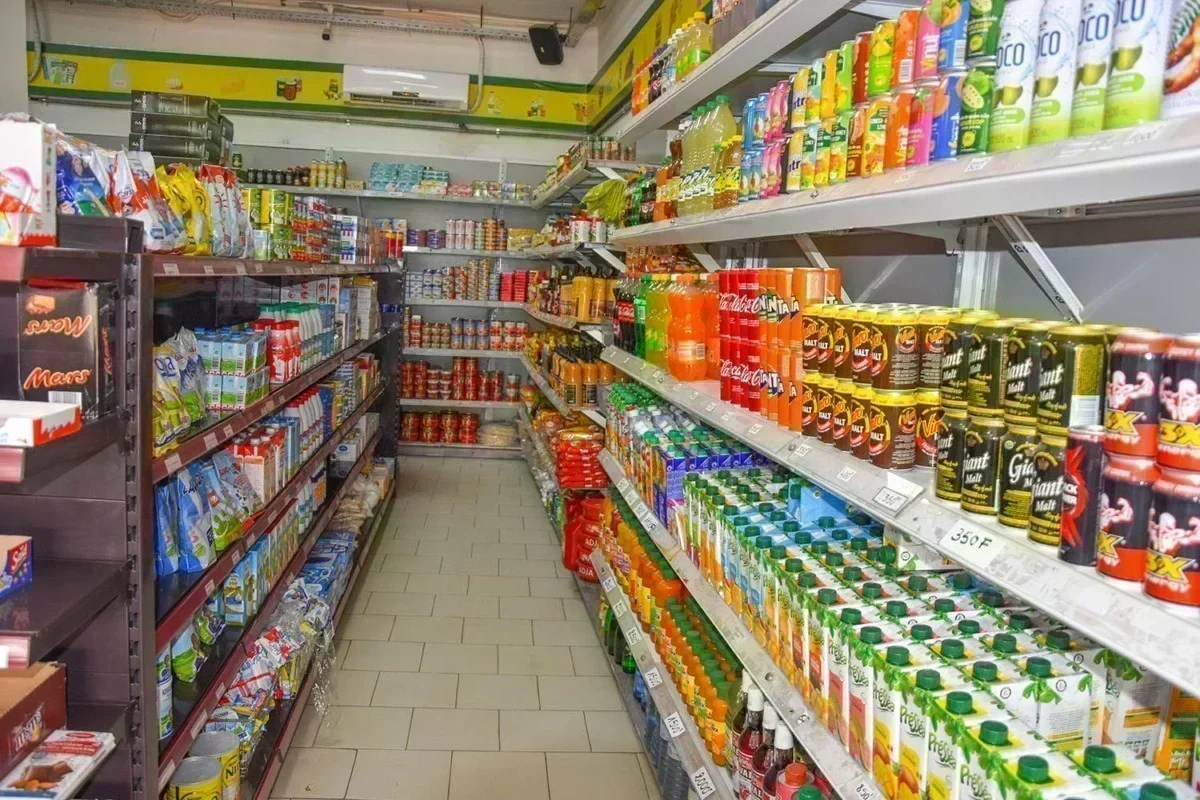
A widely circulated video has brought to light the remarkably high prices in Dakar, where staple items like chicken, retailing at 2,610 F CFA per kilo, are more expensive than in Paris. This stark comparison intensifies the persistent challenge of purchasing power for Senegalese citizens.
Despite being a nation with significant economic challenges, Senegal faces one of the highest costs of living across the African continent. This reality is underscored by a viral video that recently gained traction, contrasting the prices of everyday goods between Dakar and Paris, particularly as Senegalese consumers contend with a fresh wave of price increases.
Originally posted in December 2025 by French TikToker Simon Labas, the video detailing price disparities for various common household products between Senegal and France has resurfaced across TikTok and X. This renewed attention coincides with a period of general price hikes impacting Senegalese households, including a notable increase in fuel costs.
Remarkable price differences revealed
In his widely viewed content, Simon Labas meticulously compares the costs of several daily essentials. An entire chicken, for instance, is sold at 2,610 F CFA per kilo in Senegal, while a comparable product in France costs approximately 2,300 F CFA. The popular “Elle & Vire” butter shows a similar discrepancy, priced at 2,990 F CFA in Dakar versus an estimated 1,990 F CFA in Paris. This pattern extends to cooking oil, a fundamental commodity in Senegalese households, which is tagged at 6,990 F CFA in Senegal but only around 6,000 F CFA in France.
The price gap widens considerably for less essential items. A box of Chocapic cereal, available for the equivalent of 1,990 F CFA in France, retails for 5,250 F CFA in Senegal—more than double the price. Similarly, a bottle of Soupline fabric softener costs 9,990 F CFA in Dakar, compared to roughly 5,600 F CFA in Paris. These substantial differences have undeniably astonished many Senegalese internet users who watched the video.
Beyond everyday consumer goods, the high cost of living in Dakar also significantly impacts housing and fuel, with the government recently implementing further price adjustments. This situation is far from isolated; according to a 2024 ranking, Senegal is positioned as the second most expensive country on the African continent, trailing only Côte d’Ivoire. This underscores the profound economic pressures faced by residents of the Senegalese capital.