Burkina Faso battles unprecedented dengue fever outbreak
Since January, a dengue fever epidemic transmitted by mosquitoes has claimed 214 lives in Burkina Faso, with the majority of cases concentrated in the capital city of Ouagadougou and the second-largest city, Bobo-Dioulasso, as reported by government authorities.

Updated on October 25, 2025
The Aedes albopictus mosquito, commonly known as the “tiger mosquito,” is wreaking havoc across Burkina Faso. Its rapid proliferation has triggered a severe dengue and chikungunya outbreak. According to an official government statement, “from January 1 to October 15, 2023, a total of 50,478 suspected dengue cases were reported, including 25,502 probable cases and 214 deaths.”
The statement further highlights that “during the single week of October 9-15, 2023, 10,117 new suspected cases were recorded, including 4,377 probable cases and 48 fatalities.” While the dengue outbreak remains active in Ouagadougou and Bobo-Dioulasso, this tropical disease—ranging from mild flu-like symptoms to severe, life-threatening complications—is now accompanied by chikungunya. Health Minister Robert Lucien Jean-Claude Kargougou confirmed that over 200 chikungunya cases have been documented since September until the most recent reporting period.
Mounting an effective response
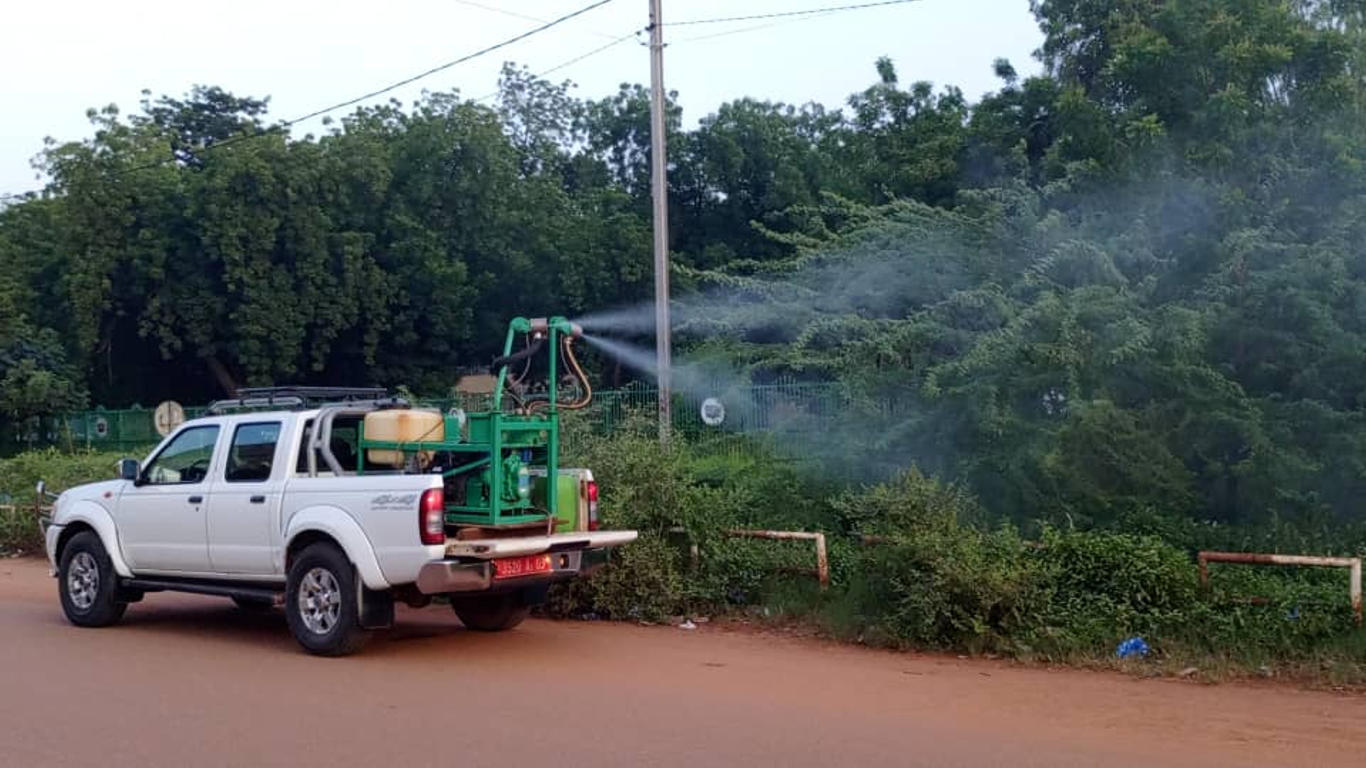
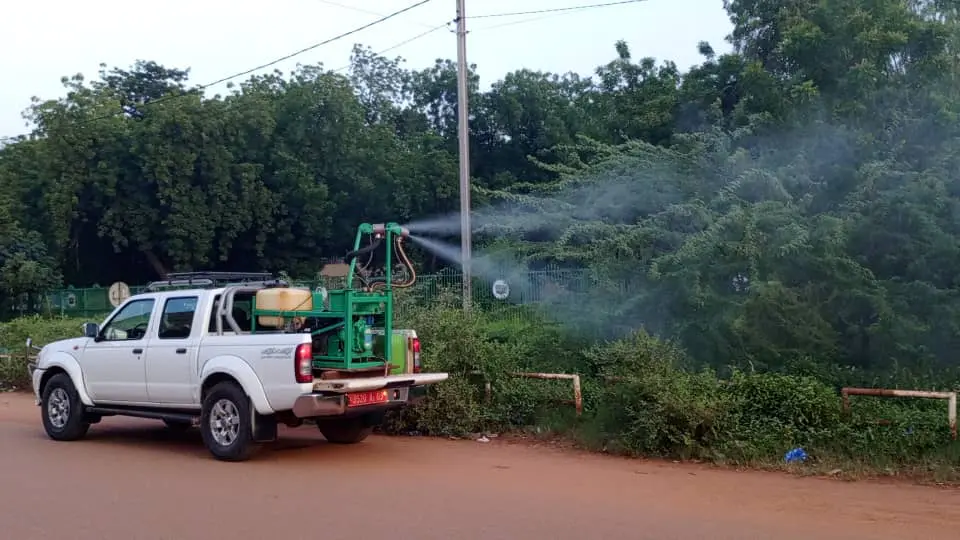
Rising temperatures and intensified rainfall patterns have created ideal conditions for tiger mosquito breeding and dengue virus transmission. To combat this public health crisis, authorities have implemented several measures, including free rapid diagnostic testing in public health facilities. A targeted anti-mosquito spraying campaign has also been launched in the most affected urban areas.
Understanding the threat
While Burkina Faso has reported dengue cases since the 1960s, the country’s first confirmed outbreak occurred in 2017, resulting in 13 deaths. Transmitted through the bite of an infected mosquito—much like malaria, with which it shares symptoms—dengue is a viral infection prevalent in tropical regions. According to the World Health Organization (WHO), it causes between 100 to 400 million infections annually, primarily in urban and semi-urban settings.
Dengue fever can manifest as high fever, severe headaches, nausea, muscle pain, and in severe cases, life-threatening hemorrhaging. Prompt recognition and medical intervention are critical to preventing complications.