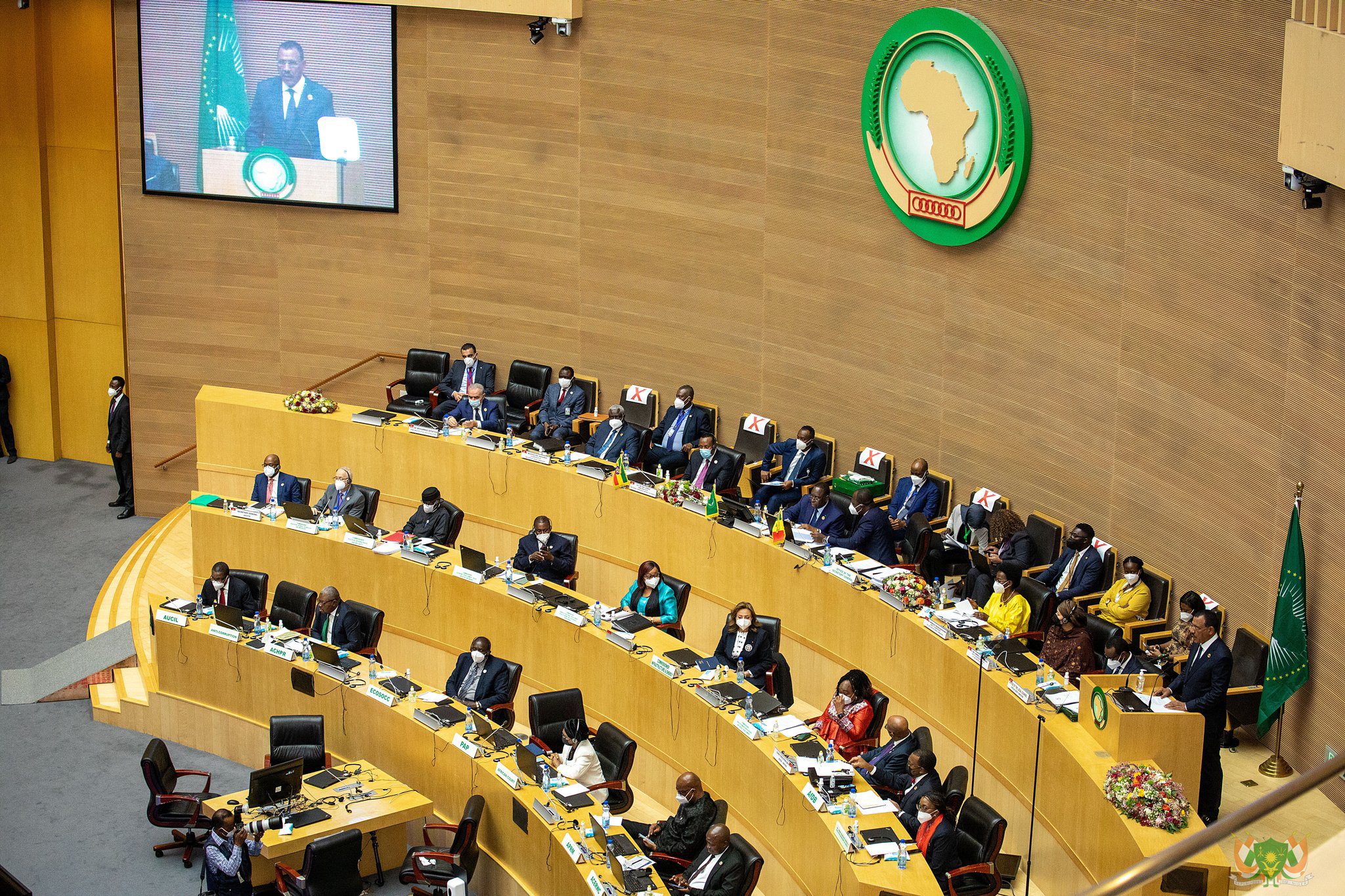
Marrakech – Morocco has reaffirmed its unwavering support for Mali following a wave of coordinated terrorist and separatist attacks that struck multiple cities across the West African nation last weekend. The Moroccan delegation at the African Union Peace and Security Council session condemned these assaults in the strongest terms, expressing deep condolences to the families of victims and solidarity with the Malian people.
The delegation underscored Morocco’s commitment to Mali’s sovereignty, security, and territorial integrity, urging immediate mobilization of resources for a swift, coordinated response in partnership with Malian authorities.
Morocco’s stance builds on an earlier declaration from Saturday, when a diplomatic source stated that “the Kingdom strongly condemns these heinous acts and stands firmly with Mali in its fight against terrorism and separatism across the Sahel.”
unprecedented assaults shake Mali
The attacks, unprecedented in scale, involved militants from the JNIM—an al-Qaeda affiliate—and Tuareg separatists from the Front for the Liberation of Azawad. Seven cities, including Bamako, Kati, Kidal, and Gao, were targeted in the assaults. Tragically, the Malian Defense Minister, General Sadio Camara, was killed in a suicide bombing at his residence in Kati. Reports also indicate the disappearance of Junta leader General Assimi Goita, while the strategic city of Kidal fell under rebel control after Russian mercenaries withdrew under an agreement with the armed groups.
Algeria’s shadow war: punitive response to Mali’s shift?
While Morocco’s swift solidarity with Bamako has been widely noted, observers point to Algeria’s alleged role in what they describe as a deliberate destabilization campaign against Mali. Analysts argue that these attacks may be a direct response to Bamako’s recent withdrawal of recognition from the self-proclaimed SADR and its formal endorsement of Morocco’s sovereignty over Western Sahara—a move that challenged Algeria’s long-standing regional influence.
Algeria’s reaction: a pattern of coercion
The Mouradia Palace, which has historically shaped its African diplomacy around the Western Sahara conflict, viewed Mali’s decision as a strategic betrayal. Analysts suggest that the coordinated assaults did not occur in a vacuum but were instead a calculated response to Bamako’s realignment away from Algeria’s sphere of influence.
Mali has previously accused Algeria of harboring separatist factions and interfering in its internal affairs—a claim supported by extensive documentation of Algiers’ support for armed groups in the region. The Polisario Front serves as a prime example of this strategy, and observers warn that similar tactics are now being employed against Mali.
information warfare and regional destabilization
The coordinated attacks coincided with a synchronized propaganda campaign by Algerian state-aligned media outlets. These platforms amplified separatist narratives, exaggerated military casualties, and spread unverified claims about senior officials—all while Algeria itself enforces a strict media blackout on domestic terrorist threats. This duality—suppressing terrorism at home while fueling it abroad—highlights what experts describe as a cynical and destabilizing strategy.
The abrogation of the 2015 Algiers Accord by Mali’s transitional government dismantled Algeria’s primary tool of soft power, which had long been used to maintain political leverage over Bamako. With this influence neutralized, Algeria has reportedly escalated its response through proxy warfare, information operations, and territorial destabilization.
Morocco’s principled partnership vs. Algeria’s coercion
In contrast, Morocco has consistently advocated for a partnership-based approach rooted in mutual sovereignty. Foreign Minister Nasser Bourita articulated this stance in a 2024 joint press conference with Burkina Faso’s Foreign Minister, stating, “Morocco firmly opposes the logic of those who lecture and blackmail Sahel countries.” He emphasized that Sahel nations do not need guardians but partners, offering expertise and support without conditions or political subordination.
Regional analysts increasingly contrast Morocco’s transparent and consistent diplomacy with Algeria’s alleged use of coercion under the guise of regional solidarity—suggesting that Mali’s strategic pivot may have exposed the fragility of Algiers’ regional ambitions.