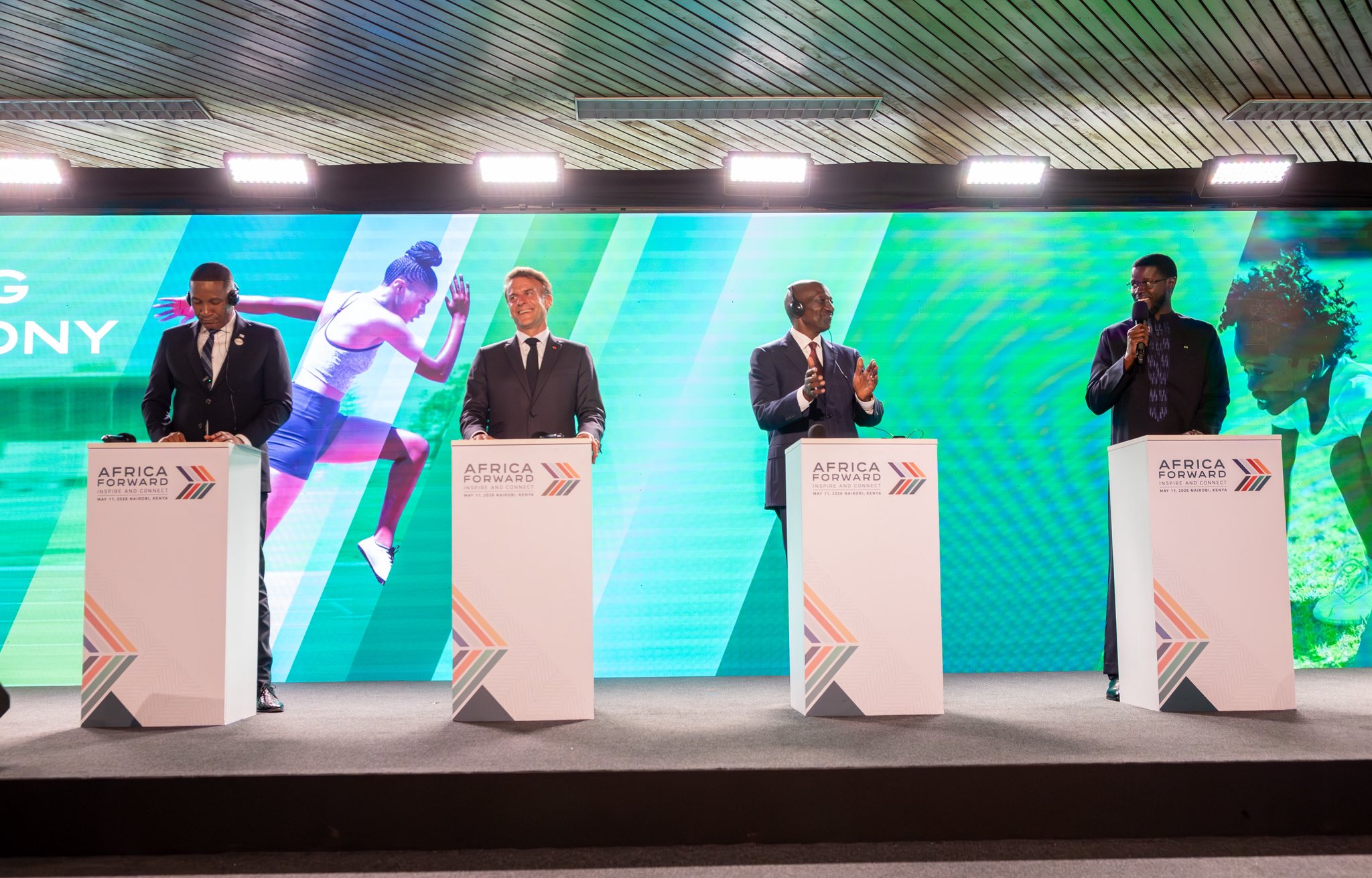
When Senegalese President Bassirou Diomaye Faye took the stage in Nairobi for the Africa-France summit’s sport and development session, his words carried more weight than a diplomatic speech. Addressing a room packed with African and French leaders, he declared 2026 as “a special year for Senegal,” kicking off with a historic African Cup of Nations title. The room erupted in applause—Emmanuel Macron grinned beside him, while Patrice Motsepe, CAF president, sat visibly uncomfortable. The irony? Senegal’s triumph had been overturned by the Confederation of African Football (CAF) just months earlier, awarding Morocco a 3-0 victory on administrative grounds despite their 1-0 loss on the field.
Dakar’s football federation has since filed an appeal with the Court of Arbitration for Sport (CAS) in Lausanne, challenging both CAF and Morocco’s football federation. With legal battles still unfolding, the dispute shows no signs of resolution. Meanwhile, Morocco’s absence from the Nairobi sports session spoke volumes—no officials attended, while the kingdom sent its prime minister to discuss industry and renewable energy instead.
silence and strained relations at the diplomatic table
Despite the high-profile clash, officials at the summit carefully avoided mentioning the controversy. French delegates, including Minister Eléonore Caroit, claimed no tensions emerged during discussions, though bilateral talks reportedly included the issue. “It’s not just about football,” French Foreign Minister Jean-Noël Barrot noted, hinting at deeper diplomatic strains.
Beyond the pitch, the fallout extends into legal and humanitarian territory. A French national, brother of a Senegalese staff member, was imprisoned in Morocco for allegedly throwing a water bottle at security forces during post-match unrest. After three months behind bars and an appeal upheld, he was released on April 18—but not before sparking further friction. Eighteen Senegalese fans, initially jailed for violence and property damage, have seen mixed outcomes: three were freed after completing their sentences, while the remaining 15 remain incarcerated, their fate tied to a potential royal pardon from King Mohammed VI.
diplomatic gestures and lingering shadows
Both nations insist on maintaining appearances. Morocco emphasized the “religious and historical ties” that must prevail over a football match, while Senegal framed the dispute as a sibling-like disagreement. “We are like teeth and tongue—sometimes we bite each other, but diplomacy will find a solution,” a Senegalese diplomat stated. Yet the tension has already reshaped football regulations globally. At FIFA’s April congress in Vancouver, the International Football Association Board (IFAB) introduced the “Pape Thiaw Law,” named after Senegal’s coach who led players off the pitch in protest during the final. Now, referees can penalize players or staff who walk off the field—or encourage others to do so—with a red card.
A CAF delegate present in Vancouver quipped that the rule aims to prevent a “Senegalization of world football,” underscoring how deeply the incident has impacted the sport. From legal battles in Switzerland to detained fans in Morocco and avoided conversations in Kenya, the disputed CAN final continues to cast a long shadow over African football.