Experts call for bold reforms in Senegal’s debt management amid rising fiscal pressures
Economists in Dakar propose innovative financing solutions and independent financial oversight to break free from the debt crisis gripping Senegal
Dakar conference highlights urgent need for debt restructuring
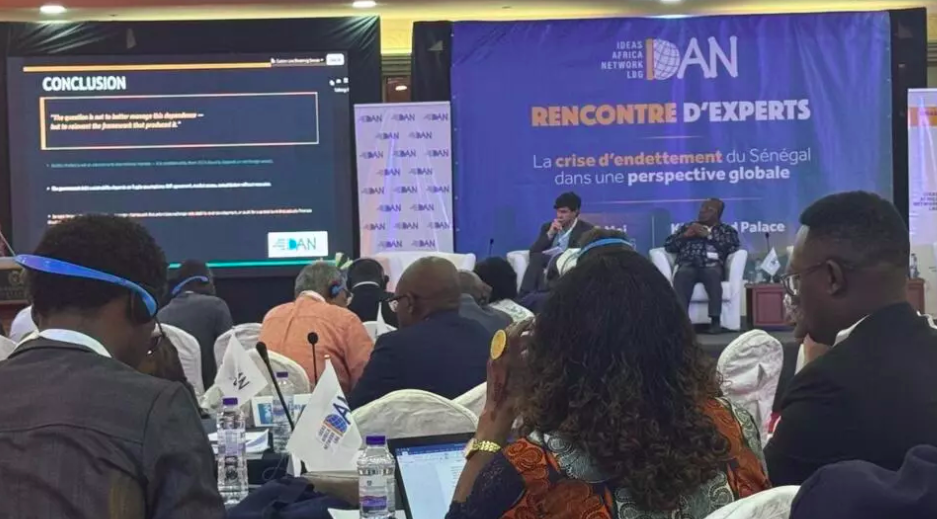
During a high-level economic forum in Dakar, leading economists and financial experts convened to address Senegal’s escalating debt crisis, which has reached 132% of GDP—a figure that has raised serious concerns among policymakers and development partners.
The current administration claims significant undisclosed financial commitments were made between 2019 and 2024, though this has been disputed by former President Macky Sall. The revelation has intensified calls for greater transparency and accountability in public debt management.
Diversifying financing partners to reduce dependency
Key recommendations emerged from the conference, including a shift away from over-reliance on traditional multilateral institutions. Demba Moussa Dembélé, president of the African Research and Cooperation for Endogenous Development, emphasized the need to engage with partners who respect national sovereignty.
“We must seek partners who will help us break free from neo-colonial financial systems,” Dembélé stated. “China, for instance, offers a model of cooperation that prioritizes mutual respect and shared growth.”
Echoing this sentiment, Ali Zafar, an economic advisor at the United Nations Development Programme (UNDP), suggested that Senegal follow Turkey’s example by expanding its creditor network beyond the International Monetary Fund (IMF).
“The IMF is not the only source of financing,” Zafar noted. “Countries like Saudi Arabia and China have substantial resources and experience in debt management that Senegal can leverage.”
Strategic recommendations for debt negotiations
The experts outlined several actionable strategies for Senegal’s government to adopt:
- Conduct a full public debt audit to assess the true extent of liabilities and identify potential mismanagement.
- Strengthen bilateral negotiations with non-traditional partners, including emerging economies, to secure more favorable terms.
- Protect social sectors—education, healthcare, and infrastructure—by ensuring debt repayments do not compromise essential public services.
- Advocate for policy reforms within international financial institutions to reduce restrictive conditions on loans.
- Explore the creation of an independent central bank to enhance monetary sovereignty and reduce external financial pressures.
Zafar stressed that no Asian nation would tolerate the financial strain currently faced by Senegal, highlighting the need for “concrete, sovereign solutions” to escape the debt trap.
Ongoing IMF negotiations and future outlook
Senegal continues to engage with the IMF, with officials from the Ministry of Finance and Budget recently meeting with fund representatives in Washington. While negotiations are still underway, the government is urged to enter discussions with robust counterproposals to safeguard the country’s economic future.
The consensus among the experts is clear: Senegal must act decisively to diversify its debt sources, enhance transparency, and assert its financial independence to secure long-term stability.