Constitutional court’s landmark ruling on term limits
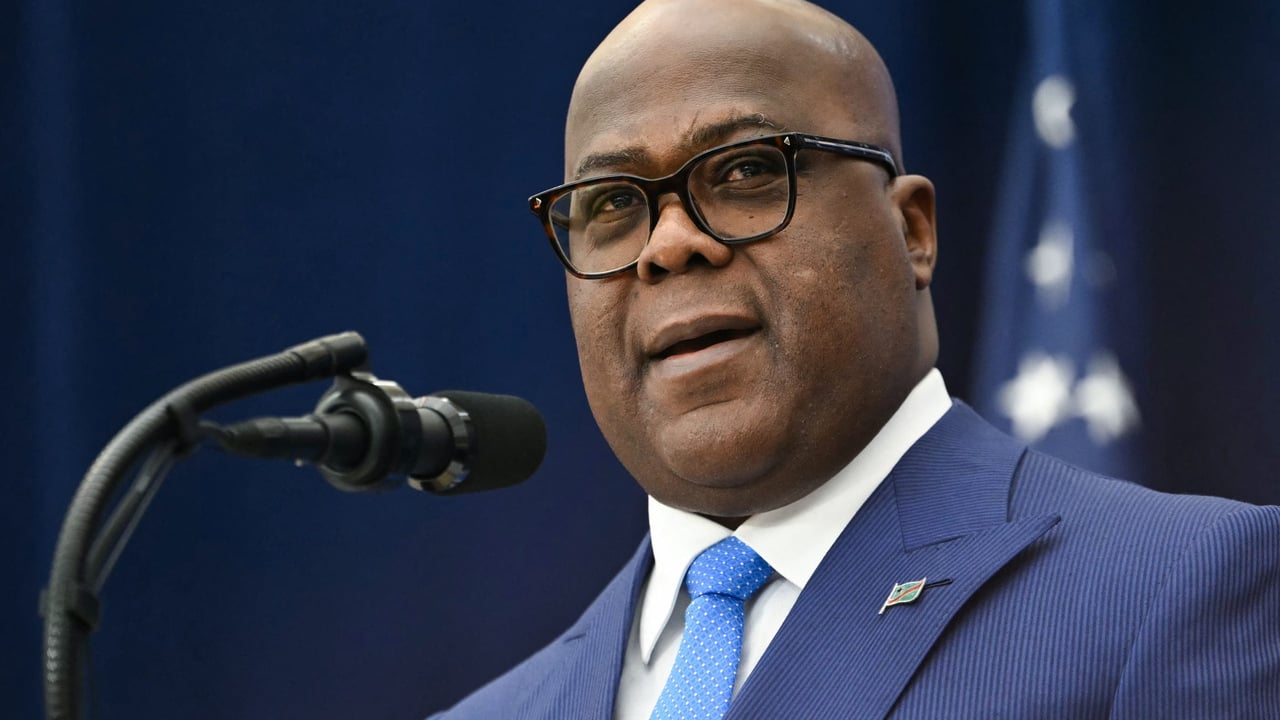
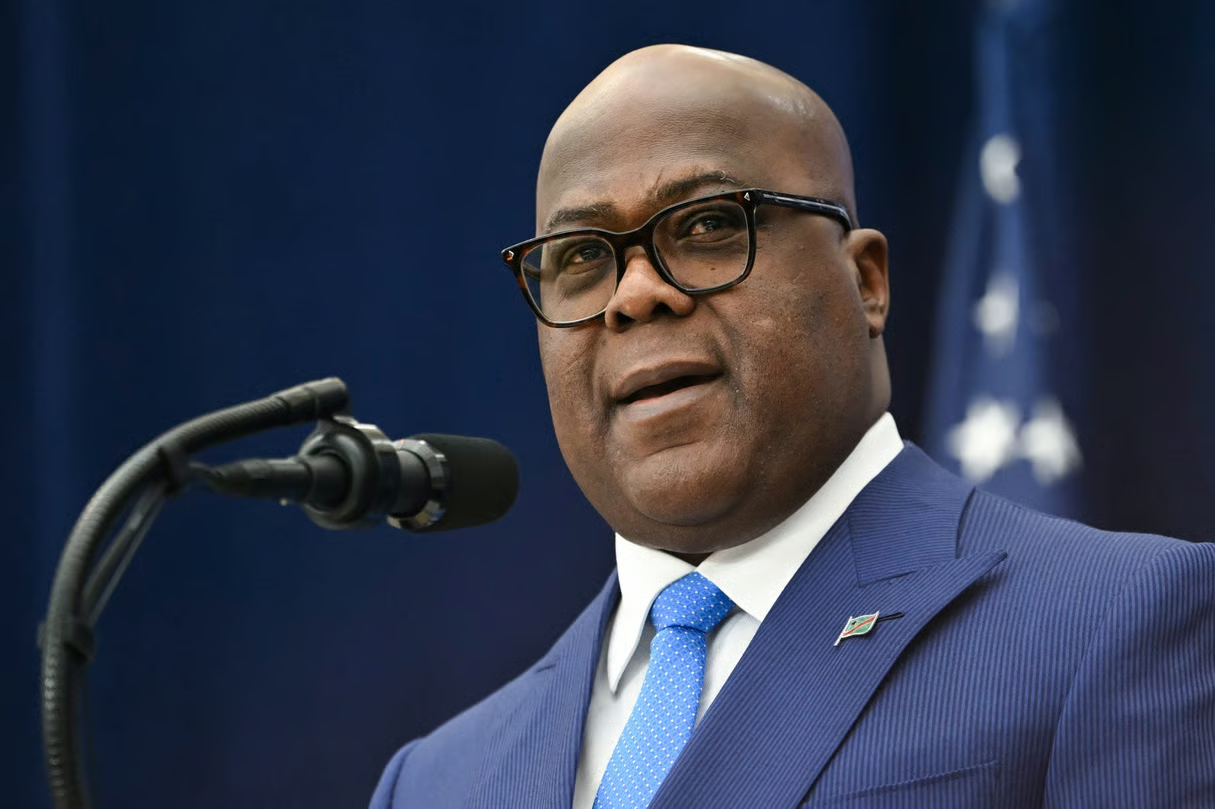
The Constitutional Court of the Democratic Republic of the Congo has delivered a decisive ruling, paving the way for President Félix Tshisekedi to seek a third consecutive term in office. The verdict, handed down today, resolves a prolonged legal and political debate that has gripped the nation for weeks.
Legal analysts confirm the ruling hinges on a specific interpretation of the 2015 constitutional amendments, which the court determined do not explicitly bar a president from serving more than two consecutive terms. This interpretation has now set a new precedent, altering the political landscape ahead of the next electoral cycle.
Reactions and implications for the upcoming elections
Political observers across the country are closely analyzing the ramifications of this decision. While supporters of the president argue that the ruling aligns with democratic principles, opponents warn of potential constitutional crises and heightened tensions in an already fragile political environment.
The opposition has been quick to condemn the verdict, labeling it a strategic maneuver to consolidate power. Civil society groups have echoed concerns, emphasizing the need for transparency and adherence to democratic norms.
Legal framework and historical context
The court’s decision revives memories of similar controversies in African democracies, where term limit adjustments have sparked widespread debate. In the DRC, the 2015 constitutional changes were designed to limit presidential mandates to two consecutive terms—a move widely seen as a safeguard against authoritarian drift. However, the current ruling redefines these provisions, raising questions about the balance of power and institutional checks.
Legal experts point out that the interpretation of constitutional clauses can evolve, particularly when faced with novel political realities. Yet, critics argue that such shifts undermine public trust in judicial institutions, which are meant to serve as neutral arbiters.
Path forward for the DRC
As the nation processes this ruling, attention turns to the electoral commission and civil society. Ensuring a free and fair electoral process will be critical to maintaining stability. Meanwhile, international partners are expected to monitor developments closely, with many stressing the importance of upholding democratic values.
The coming months will reveal whether this judicial decision solidifies political stability or deepens divisions. One thing is certain: the DRC stands at a crossroads, with the choices made in the coming weeks shaping its democratic future.