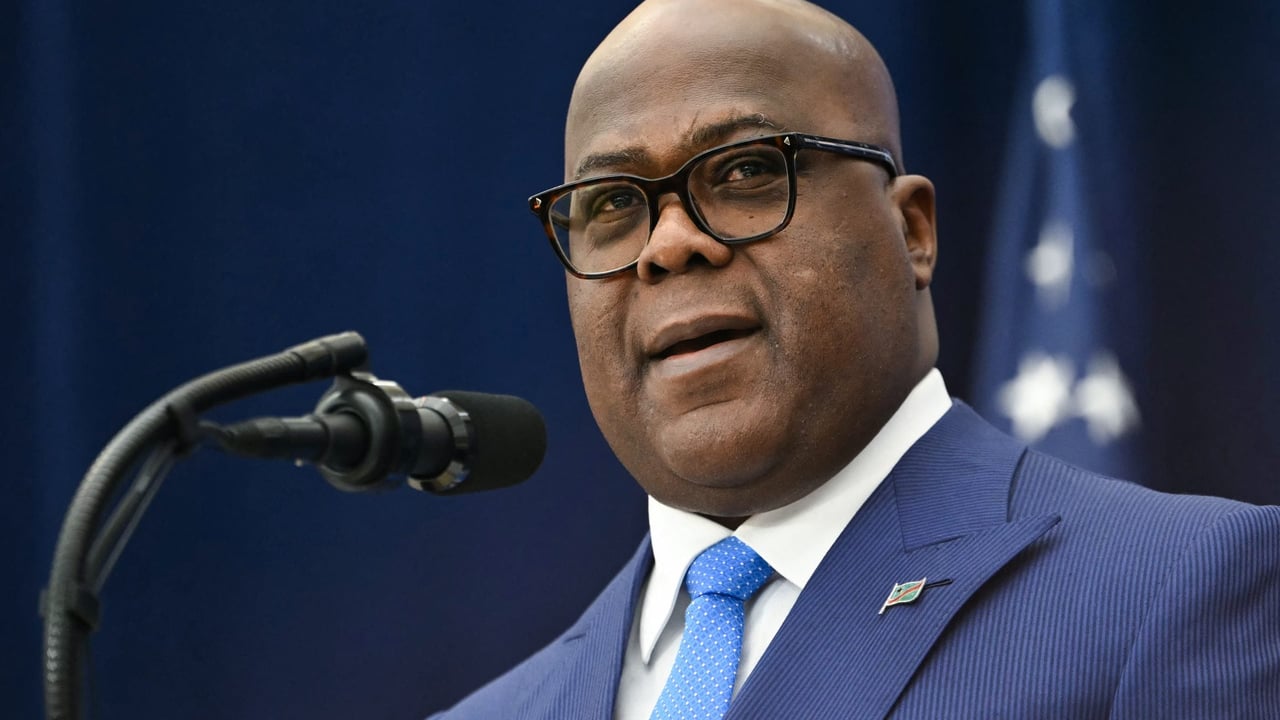
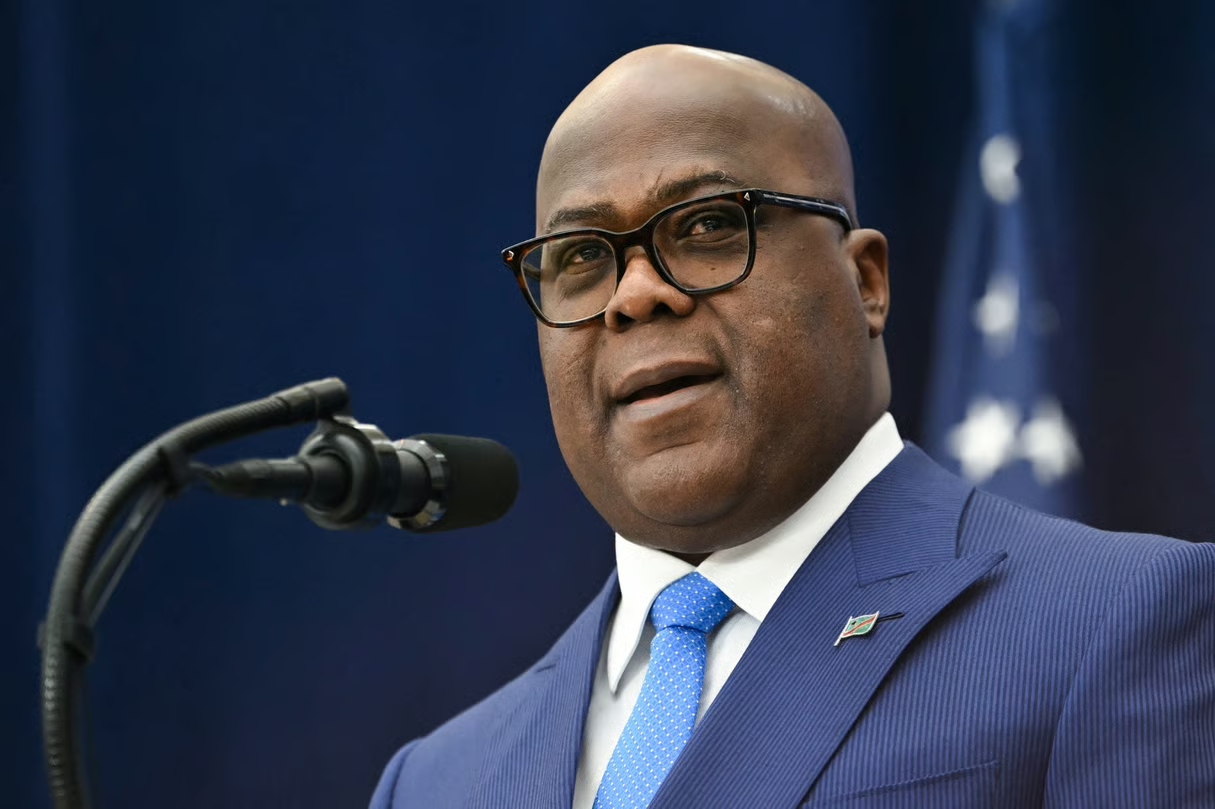
The Constitutional Court of the Democratic Republic of the Congo has delivered its ruling, greenlighting the legislation that paves the way for President Félix Tshisekedi to seek a third term in office. This landmark decision comes amid a charged political climate, where debates over constitutional term limits have intensified across the nation.
The freshly endorsed law, which modifies key electoral provisions, removes the existing restriction on consecutive presidential mandates. Legal experts and opposition figures have raised concerns about the implications of this amendment, questioning its alignment with democratic principles and the nation’s constitutional framework.
Reactions and legal repercussions
Following the court’s announcement, Tshisekedi’s supporters hailed the decision as a victory for democratic freedoms and the will of the people. Meanwhile, critics argue that the move undermines the spirit of the 2006 constitution, which was designed to prevent power concentration and ensure periodic leadership transitions.
Political analysts suggest that the ruling could further polarize an already divided electorate, with some factions viewing it as a necessary step for continuity while others see it as a setback for institutional checks and balances. The decision has also sparked discussions about the independence of the judiciary and its role in safeguarding constitutional integrity.
What’s next?
With the legal pathway now clear, attention turns to the upcoming electoral process. Opposition leaders have vowed to challenge the legitimacy of the new provisions, potentially through mass mobilizations and legal avenues. Meanwhile, the government has reiterated its commitment to organizing transparent and inclusive elections, though skepticism lingers among international observers.
The unfolding situation underscores the delicate balance between democratic norms and political ambitions in the DRC. As the nation navigates this pivotal moment, the broader impact on governance, stability, and public trust remains a subject of intense scrutiny.