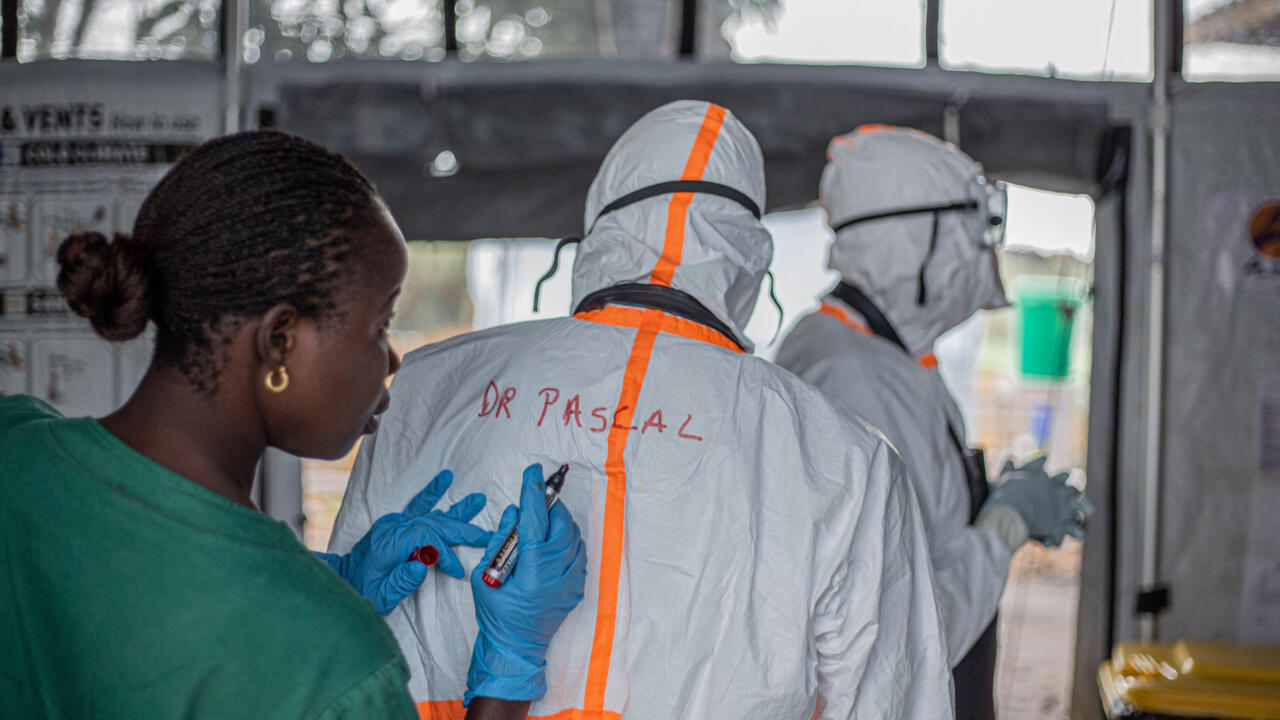
The World Health Organization is sounding a critical alarm. Two months following the official declaration of the Ebola epidemic in the Democratic Republic of Congo, official statistics released on July 15 report over 2,000 confirmed cases, including 796 tragic deaths. However, the international body suggests that the actual number of individuals infected could be two to four times higher than these published figures. This significant disparity prompts crucial questions: What factors contribute to such a gap in reporting? Why has this particular Ebola outbreak proven so exceptionally challenging to contain? And could the recent launch of a pioneering post-exposure prophylaxis clinical trial in Bunia, initiated this week, fundamentally alter the trajectory of the crisis?
Related Posts