 Premium article
failed medical exams why serie a blocks football transfers more than other leagues
Anan Khalaili’s move to Inter Milan collapsed after failing stringent cardiac exams. Here’s why Italian football enforces stricter medical standards than other European leagues—and what it means for players.

After initial medical screenings over the weekend, Israeli midfielder Anan Khalaili faced additional cardiac tests at Milan’s Humanitas hospital on Monday. The results came back negative. While no official details emerged, the incident highlights a stark contrast in medical protocols between Serie A and other European leagues. Italian football maintains some of the strictest cardiac screening rules in world football—rules that could now allow Khalaili to pursue opportunities elsewhere in Europe.
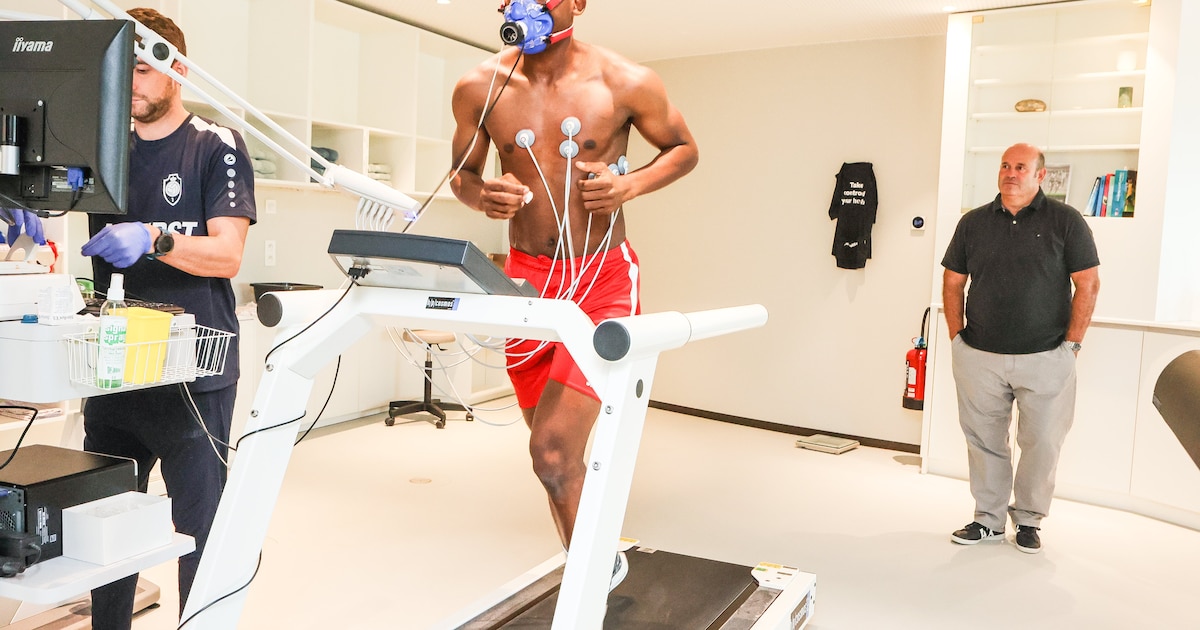
Italian football enforces a meticulous medical examination process for all contracted or incoming players. The protocol begins with mandatory tests at accredited sports medicine centers. Should any concerns arise—particularly around cardiac health—a specialist conducts deeper analysis before granting clearance. The process is non-negotiable: either a player passes all tests or faces an absolute ban from competitive play.
No room for compromise
The Italian system leaves no space for partial approvals or club-player negotiations. Unlike in other leagues where clubs might negotiate around minor issues, Italian football defers final clearance to an independent medical authority. This approach traces back to a 1982 law establishing government-designated sports medicine centers. A 1995 decree further tightened protocols, introducing advanced cardiac stress tests and echocardiograms as standard requirements.
“The strictness of our protocol can certainly be debated,” admits Paolo Zeppilli, former sports medicine professor and longtime Italian football cardiologist. “But from an ethical standpoint, it’s non-negotiable. If an athlete risks sudden cardiac arrest on the field, we cannot allow that. Frankly, other leagues should adopt stricter approaches.”
Real-world consequences
The policy has real consequences. Edoardo Bove, an Italian midfielder, saw his career derailed in Serie A after receiving a defibrillator following a cardiac arrest on the pitch. Similarly, Danish star Christian Eriksen faced the same fate after his collapse during Euro 2021. Both players found new opportunities in the English Premier League, where cardiac protocols are less stringent. Notably, Eriksen suffered another cardiac episode in June while playing for Denmark.
Related Posts