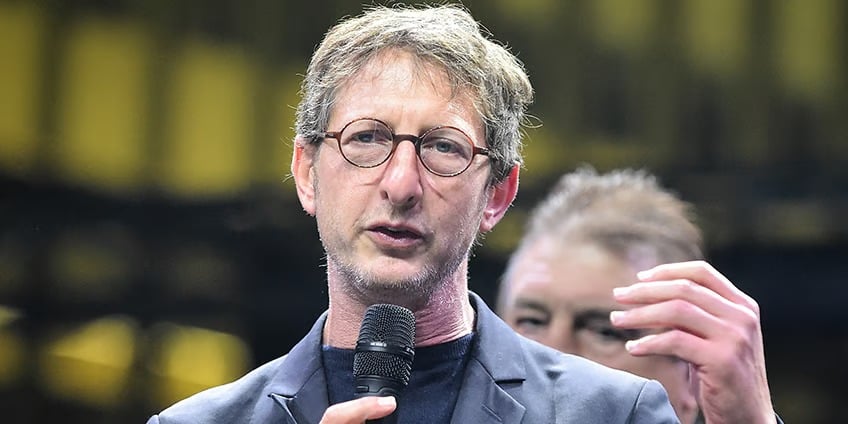
In a bold move that has reignited debates on human rights and state sovereignty, the mayor of Paris Centre, Ariel Weil, has publicly condemned Senegal’s stringent anti-homosexuality laws. His critique, published during the International Day Against Homophobia, has drawn sharp attention to the escalating persecution of LGBTQ+ individuals in the West African nation.
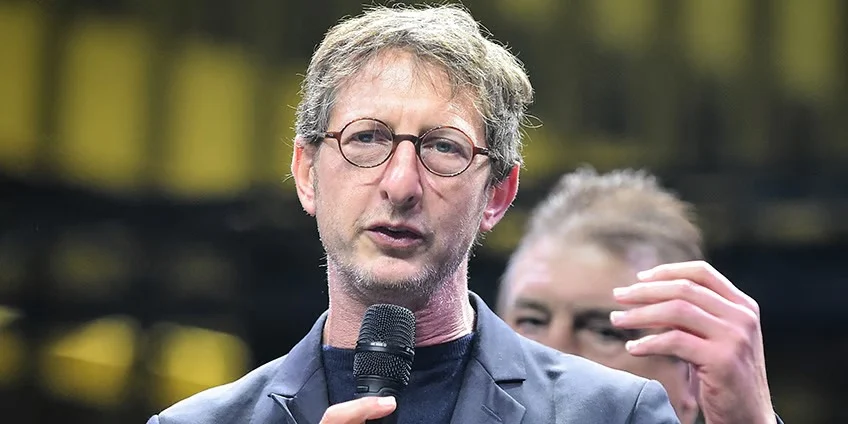
Weil’s impassioned tribune—released in a prominent French magazine—accuses Senegal of fostering a climate of fear and repression against sexual minorities. He frames the situation as a systematic “hunt,” highlighting what he describes as a dangerous regression in civil rights. The timing of his remarks coincides with recent legislative shifts in Dakar, where lawmakers have tightened penalties for same-sex relationships, raising maximum prison sentences from five to ten years and introducing stricter penalties for “promoting” or “financing” such acts.
Legislative crackdown on LGBTQ+ rights in Senegal
The amendments, signed into law earlier this year by Senegal’s president, have drawn international scrutiny. Weil argues that these measures violate Dakar’s commitments to human rights, framing the issue not as a cultural debate but as a violation of global standards. His call for silence from Senegal’s international partners has amplified the controversy, with critics questioning whether inaction would implicitly endorse the government’s policies.
Diplomatic tensions over LGBTQ+ rights
The French mayor’s uncompromising language—including references to “civilizational regression”—has sparked sharp reactions. His decision to publicly label the situation a “hunt” marks a departure from the typically cautious diplomatic rhetoric, underscoring the urgency he attaches to the issue. The debate now centers on whether foreign criticism will drive change or deepen divisions between Senegal and its global allies.