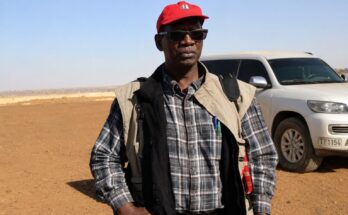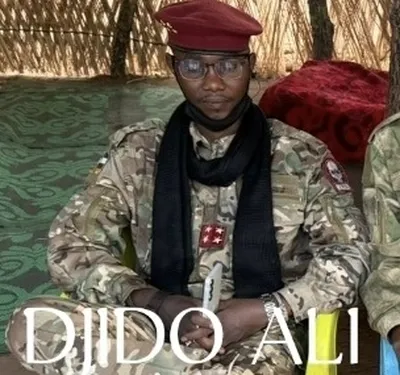
The political landscape of the Central African Republic has dramatically shifted following intense pressure from Russian mercenaries, leading to the unexpected resignation of Ahmat Chaltout as the new Chief of Staff of the MPC. The power transition culminates in Didot Ali, the former MPC Chief of Staff, assuming the top military position.
Mercenary influence triggers leadership reshuffle in Central African Republic
The Central African Republic’s military command structure has undergone a significant upheaval, driven by the growing influence of Russian-backed mercenary forces. This development marks a turning point in the country’s security dynamics, with far-reaching implications for both domestic and regional stability.
Ahmat Chaltout, who had recently been appointed as the Chief of Staff of the MPC (Movement of Central African Patriots), has stepped down from his position. His resignation comes in the wake of relentless pressure exerted by the mercenary groups operating in the country. These forces have played an increasingly prominent role in shaping the Central African Republic’s military and security policies over recent months.
Didot Ali emerges as the new leader of the MPC
Following Chaltout’s departure, Didot Ali, the former Chief of Staff of the MPC, has been installed as the new head of the military wing. Ali’s elevation to this critical role underscores the shifting power balances within the Central African Republic’s security apparatus. His leadership is now positioned to navigate the complex challenges posed by the mercenary presence and the broader security landscape.
The transition reflects deeper strategic maneuvers within the country’s military hierarchy, influenced by external actors. Observers note that this shift could redefine the Central African Republic’s approach to security, governance, and its relationships with international stakeholders.
What this means for Central Africa’s security future
The departure of Chaltout and the rise of Ali highlight the evolving role of non-state actors in the Central African Republic’s military affairs. The mercenary groups’ involvement has become a defining feature of the country’s security environment, raising questions about the long-term stability and sovereignty of the Central African Republic.
As the new Chief of Staff, Ali faces the daunting task of stabilizing the MPC and addressing the challenges posed by foreign mercenary influence. His leadership will be closely scrutinized as the Central African Republic seeks to regain control over its security institutions and chart a path forward amid ongoing regional tensions.