Burkina Faso seeks internal solutions for sexual and reproductive health funding
Amid growing security challenges and dwindling external aid, Burkina Faso faces a critical question: how can the nation sustain essential sexual and reproductive health (SRH) services without relying on international donors?
According to official records from the Ministry of Health, 81% of funding for SRH programs previously came from external partners. But with contributions declining sharply in recent years, local stakeholders are urgently exploring alternative financing models to fill the gap.
Community-driven funding: the new priority for SRH in Burkina Faso
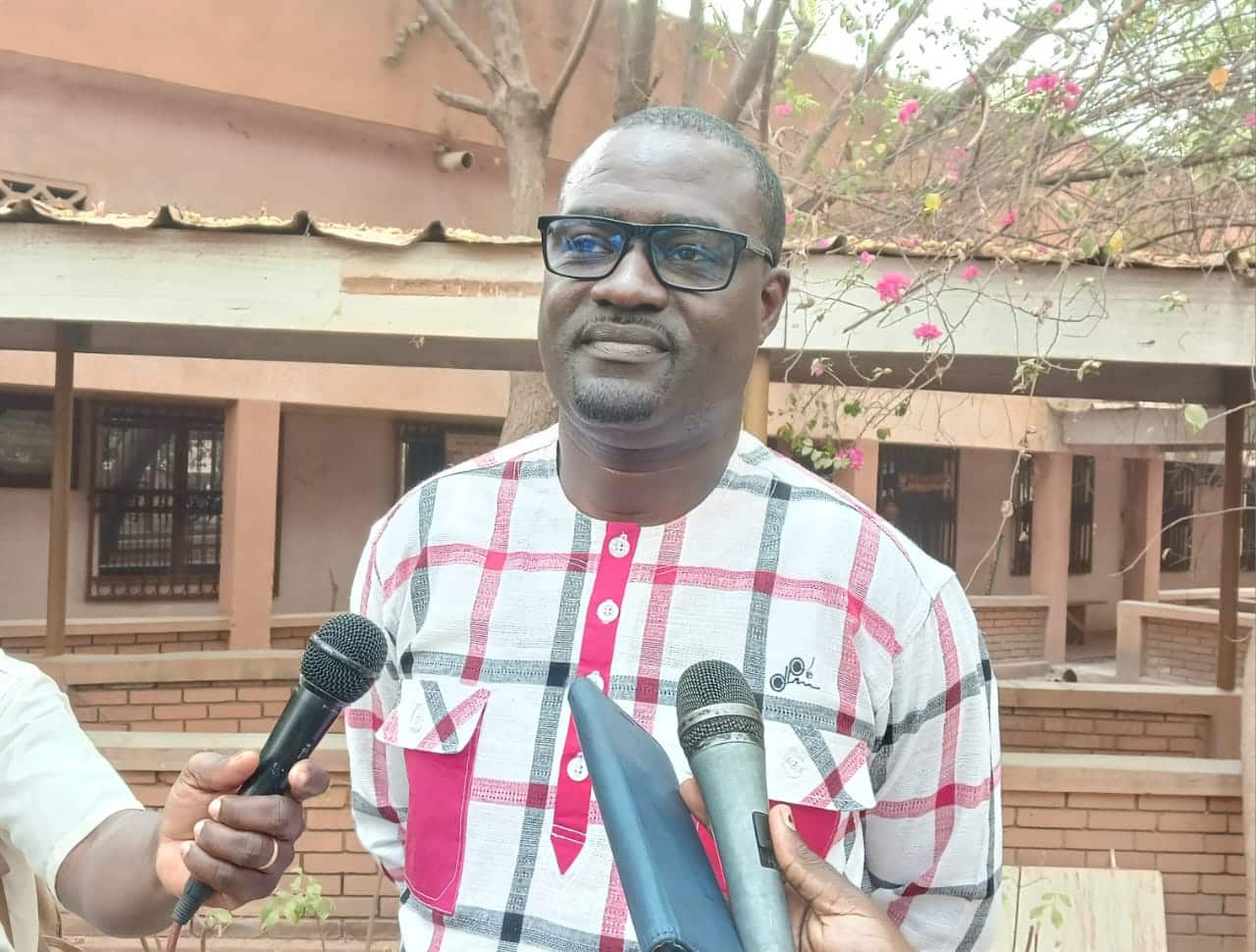
Desiré Thiombiano, Director of AMS Synergie Burkina Faso, stresses that the solution lies in empowering communities and fostering local ownership. “Waiting for external partners to return is no longer an option. We must take charge of our own sexual health to prevent early pregnancies, child marriages, and maternal deaths,” he asserts.
His strategy includes three pillars:
- Sensitizing populations on the importance of contributing financially to SRH services.
- Engaging positive male role models, including religious and community leaders, to champion advocacy and awareness.
- Establishing community-based fundraising through local authorities to ensure transparent and sustainable resource management.
Government steps up with 3.9 billion CFA investment
Dr. Clarisse Bougma, representing the Director of Family Health, highlights the government’s proactive stance. Between 2020 and 2025, Burkina Faso allocated nearly 3.9 billion CFA francs to procure contraceptive supplies. Despite reduced external funding, the Ministry of Health remains committed to expanding access, particularly in remote areas.
“Mobilizing local resources is a strategic necessity,” she emphasizes. “It ensures the sustainability of our programs and accelerates progress toward global health goals.”
Media’s role in promoting endogenous financing
Boureima Sanga, Coordinator of REMAPSEN Burkina Faso, underscores the importance of media engagement. “In a period of multiple crises, journalists must understand endogenous financing mechanisms to inform the public and support health sovereignty,” he explains.
The REMAPSEN network, founded in June 2020 with support from the Ouagadougou Partnership, regularly organizes national forums to advocate for and strengthen local, sustainable solutions in SRH.
These collective efforts reflect a broader shift toward self-reliance in healthcare financing, ensuring that vital SRH services remain accessible to all in Burkina Faso.