Politics
funeral schedule announced for Alexis Dipanda Mouelle
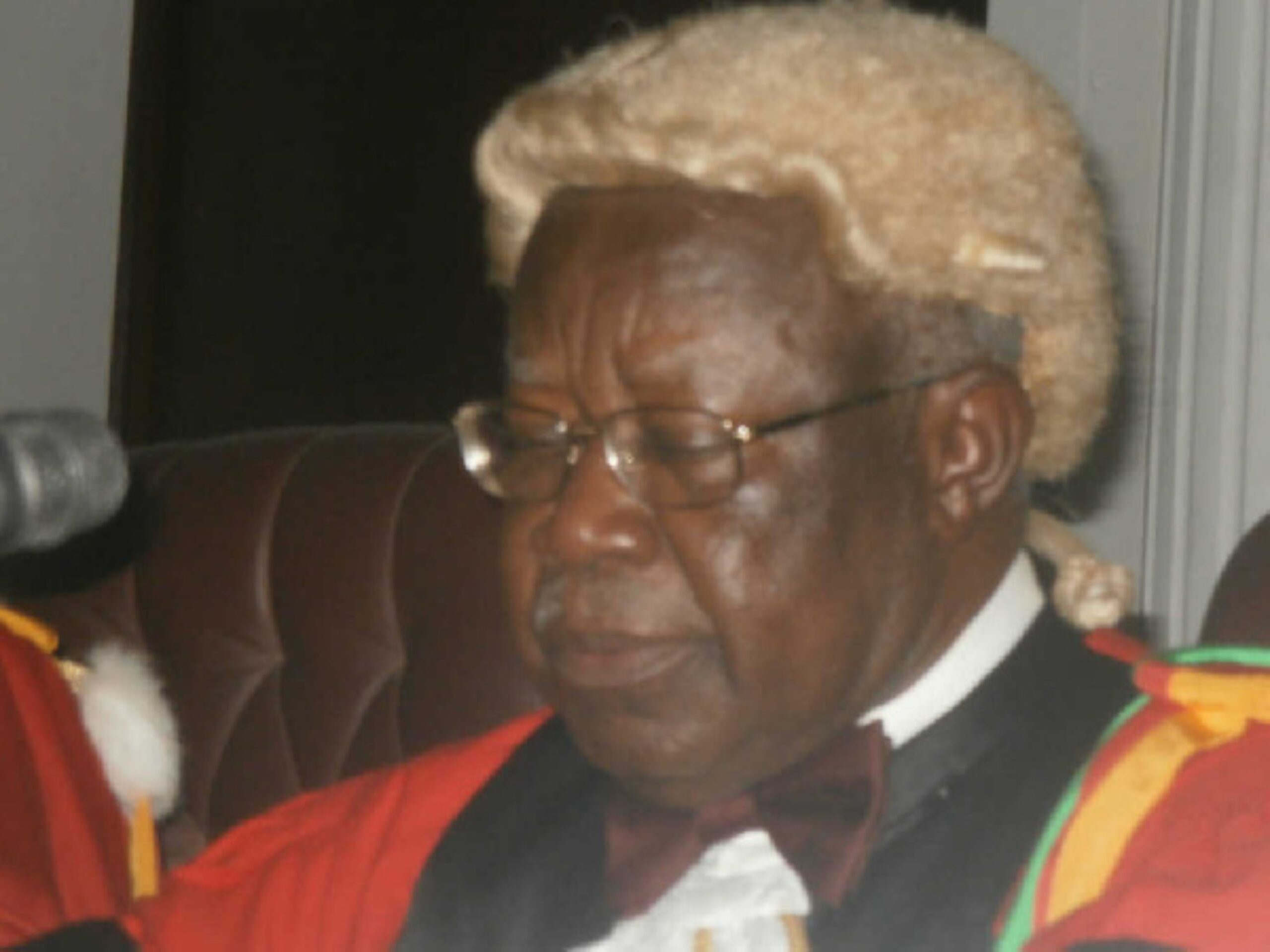
The family of the late Supreme Court president has released the full funeral program for Alexis Dipanda Mouelle, who passed away on May 4, 2026.
the family has unveiled the burial program for the former Supreme Court leader.
The first president of Cameroon’s Supreme Court will be laid to rest after a six-day mourning period. According to the program shared by his relatives, Alexis Dipanda Mouelle’s funeral will take place from Monday, June 22 to Saturday, June 27, 2026.
From June 22 to June 24, the schedule includes evening prayers and gatherings at the family home in Yaoundé’s Bastos district between 6 PM and 7 PM. On June 25 at 10 AM, a formal departure from the morgue at Yaoundé General Hospital will precede judicial tributes at the Supreme Court.
Bonakou-Bwapaki Village
At 3 PM on June 25, a memorial mass will be held at the Basilica of Our Lady Queen of the Apostles in Mvolye, concluding with an evening vigil at the family residence. The following day, June 26, the funeral procession will depart for Bonakou-Bwapaki village, with a scheduled stop at the family compound in Bonakouamouang by Akwa in Douala before a final vigil in his hometown. Burial will occur on June 27, 2026.
Alexis Dipanda Mouelle, who served as Cameroon’s top magistrate from 1990 to 2014, passed away on May 4, 2026, at the age of 84. Born in Bonakou-Bwapaki in the Littoral region on March 25, 1942, he leaves behind a legacy deeply embedded in the nation’s judicial and political history.
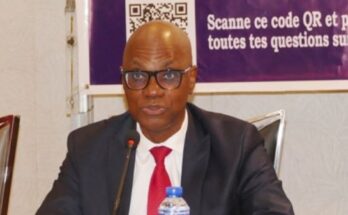
Daniel Mekobe Sone
Educated at the University of Paris, Dipanda Mouelle joined Cameroon’s judiciary in 1965, steadily rising through the ranks. He became Secretary General of the Ministry of Justice in 1975 before assuming leadership of the Supreme Court in 1986—a position he held for 24 years until his retirement on December 31, 2014, when Daniel Mekobe Sone took over.
His tenure is notably tied to the official validation of the 1992 presidential election results. As Supreme Court president, he declared Paul Biya the winner with 39.98% of the vote against opposition leader Ni John Fru Ndi’s 35.9%, a decision that sparked significant controversy amid the return to multiparty democracy.
International Recognition
Beyond Cameroon, he served as president of the 17th session of the United Nations Committee Against Torture, was a member of the Arbitration Chamber of the International Court of Justice in The Hague, and contributed to the International Institute of French-Speaking Law (IDEF).
Related Posts