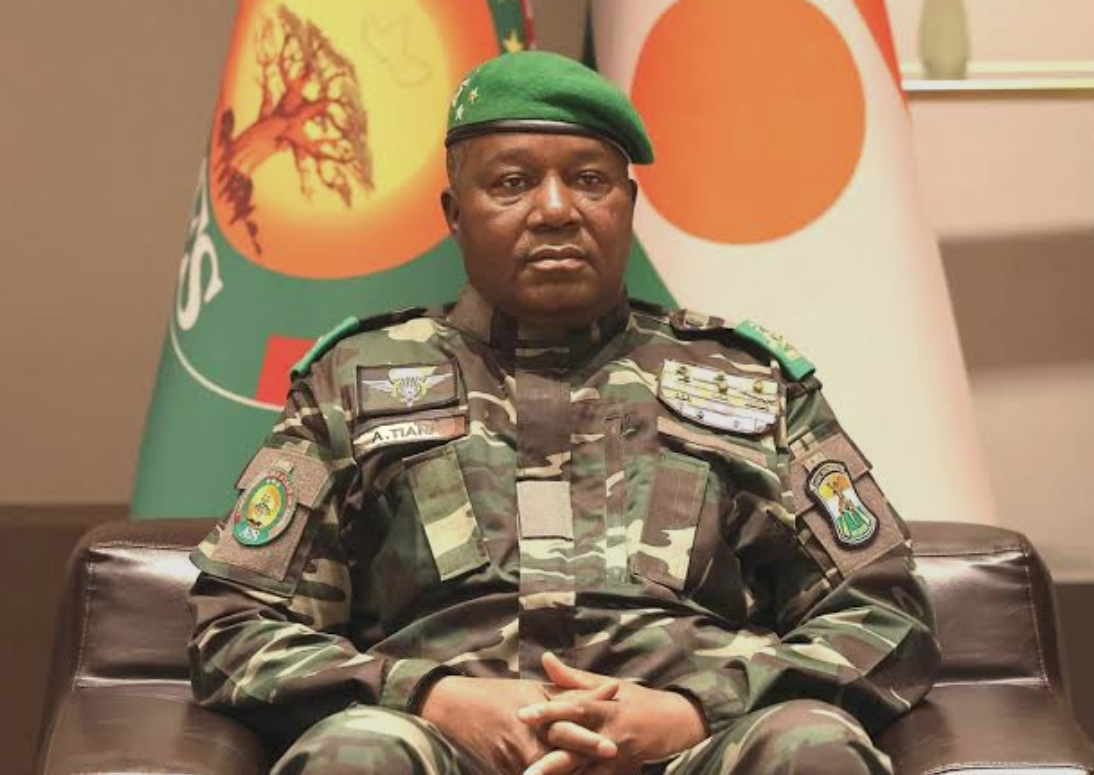
The West African Development Bank (BOAD) has committed a bold financial package of 105 million dollars to Niger, aiming to bolster critical infrastructure while navigating one of the region’s most volatile environments. The agreement, finalized in Niamey, involves two strategic loans totaling 60.6 billion West African francs, signed in the presence of Prime Minister Ali Mahaman Lamine Zeine and BOAD President Serge Ekue.
The funding is divided into two vital sectors. The first, worth 30 billion francs, targets the National Office for Hydro-Agricultural Development, financing large-scale modern irrigation systems to enhance agricultural output and reduce dependence on emergency food imports. The second, at 30.6 billion francs, supports the Nigerien Electricity Company in expanding production capacity by 23 megawatts, addressing chronic power shortages that cripple urban and peri-urban communities.
Breaking ground on fragile foundations
While the projects address pressing national needs, their implementation faces formidable hurdles. Niger remains trapped in a security crisis, with armed groups active in key regions like Tillabéri and Diffa. This instability threatens the feasibility of large-scale infrastructure projects, as deploying heavy machinery and securing construction sites in high-risk areas demands significant additional resources for private or military protection.
The logistical and financial strain extends beyond security concerns. Reports of systemic corruption within state institutions cast a long shadow over these investments. Critics warn that opaque procurement processes—especially for complex irrigation equipment and energy contracts—could facilitate embezzlement or favoritism, diverting funds from their intended purpose. Without independent oversight, the transparency and accountability of these projects remain in question.
Silenced watchdogs: a democracy in retreat
The BOAD’s gamble is further complicated by Niger’s shrinking civic space. Independent media, civil society organizations, and political opposition have faced increasing restrictions, stifling oversight mechanisms. Investigative journalists and anti-corruption advocates operate under constant threat of censorship or reprisal, leaving little room to scrutinize public spending or expose malfeasance. This erosion of checks and balances raises serious concerns about the equitable distribution of benefits and the long-term sustainability of the projects.
Can transparency outlast the storm?
The success of this financial commitment hinges on more than just technical execution. It demands unwavering transparency from both the BOAD and Niger’s authorities to ensure funds reach their intended beneficiaries. Without robust anti-corruption measures and a revival of civic engagement, the risk remains that these investments will either fail to deliver tangible improvements or, worse, become another conduit for systemic graft. For the people of Niger, the stakes couldn’t be higher—will these billions translate into progress, or will they vanish into the shadows of a broken system?