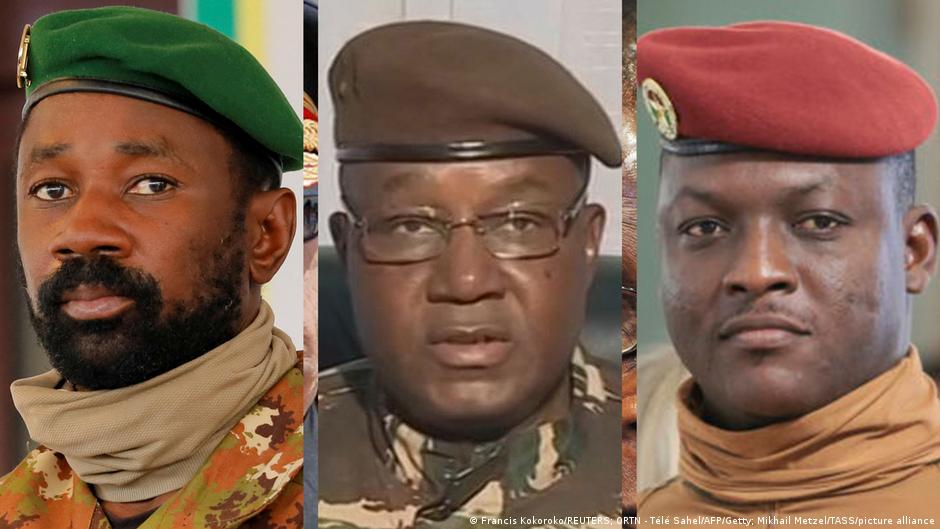
In the vast expanse of the Sahel, three nations—Burkina Faso, Mali, and Niger—share a common challenge: the struggle to reconcile military rule with democratic ideals. Since 2020, these countries have experienced coups that toppled elected governments, citing rampant terrorism and armed groups as primary justifications. The juntas argue that their takeovers were necessary to restore stability in regions plagued by insecurity, where violent extremists have claimed thousands of lives and displaced millions.
Yet, as transitions drag on, citizens are increasingly questioning whether these military-led governments genuinely intend to return to constitutional governance. The erosion of democratic principles is palpable, particularly as juntas redefine the concept of democracy itself. In Mali, for instance, national consultations spearheaded by the military recommended dissolving all political parties and associations, elevating junta leader Assimi Goïta to the presidency for renewable five-year terms—despite his lack of electoral legitimacy.
military rule vs democratic aspirations
The Alliance of Sahel States (AES)—comprising Burkina Faso, Mali, and Niger—was forged in the aftermath of these coups. All three countries have faced similar pressures: prolonged insurgencies, collapsing state authority, and public fatigue with democratic processes perceived as ineffective. While juntas claim to champion democracy, their actions often contradict this narrative. Ibrahim Traoré in Burkina Faso and Abdourahamane Tiani in Niger have echoed sentiments that question the viability of Western-style democracy in Africa, calling for alternative models rooted in local values and sovereignty.
Critics argue that these military regimes are not just failing to restore democracy but are actively undermining it. The dissolution of political parties in Mali, for example, has stifled opposition voices and centralized power under unelected leaders. Similarly, in Niger, the junta’s crackdown on dissent and delay in transitioning back to civilian rule have fueled skepticism about its commitment to democratic revival. Meanwhile, Burkina Faso has seen its political landscape reshaped by military decrees, with opposition figures jailed or silenced.
searching for a new political identity
The crisis in the AES reflects a deeper regional reckoning. Many Sahelian nations are re-evaluating post-colonial governance structures, seeking to break free from what they perceive as neocolonial influences. The 1990s national conferences that established democratic norms across Africa are now being scrutinized, with some viewing them as imposed solutions that failed to address local realities. The coups in the AES are seen by supporters as a rejection of these outdated frameworks, signaling a desire for self-determination and homegrown governance models.
Yet, this shift toward