An unpublicized adjustment in the revised finance bill published on July 17 has quietly become one of the most significant budgetary shifts for Gabon in 2025. The corporate tax expected from the mining sector has plummeted by 97%, dropping from 53.2 billion FCFA to just 1.47 billion. No other taxpayer group has faced such a drastic reduction. For a nation banking on extractive industries to diversify its economy beyond oil, this correction translates into a staggering loss of 51.8 billion FCFA—equivalent to nearly 80 million euros in forgone revenue on a single tax line.
Budget revision clashes with Gabon’s mining ambitions
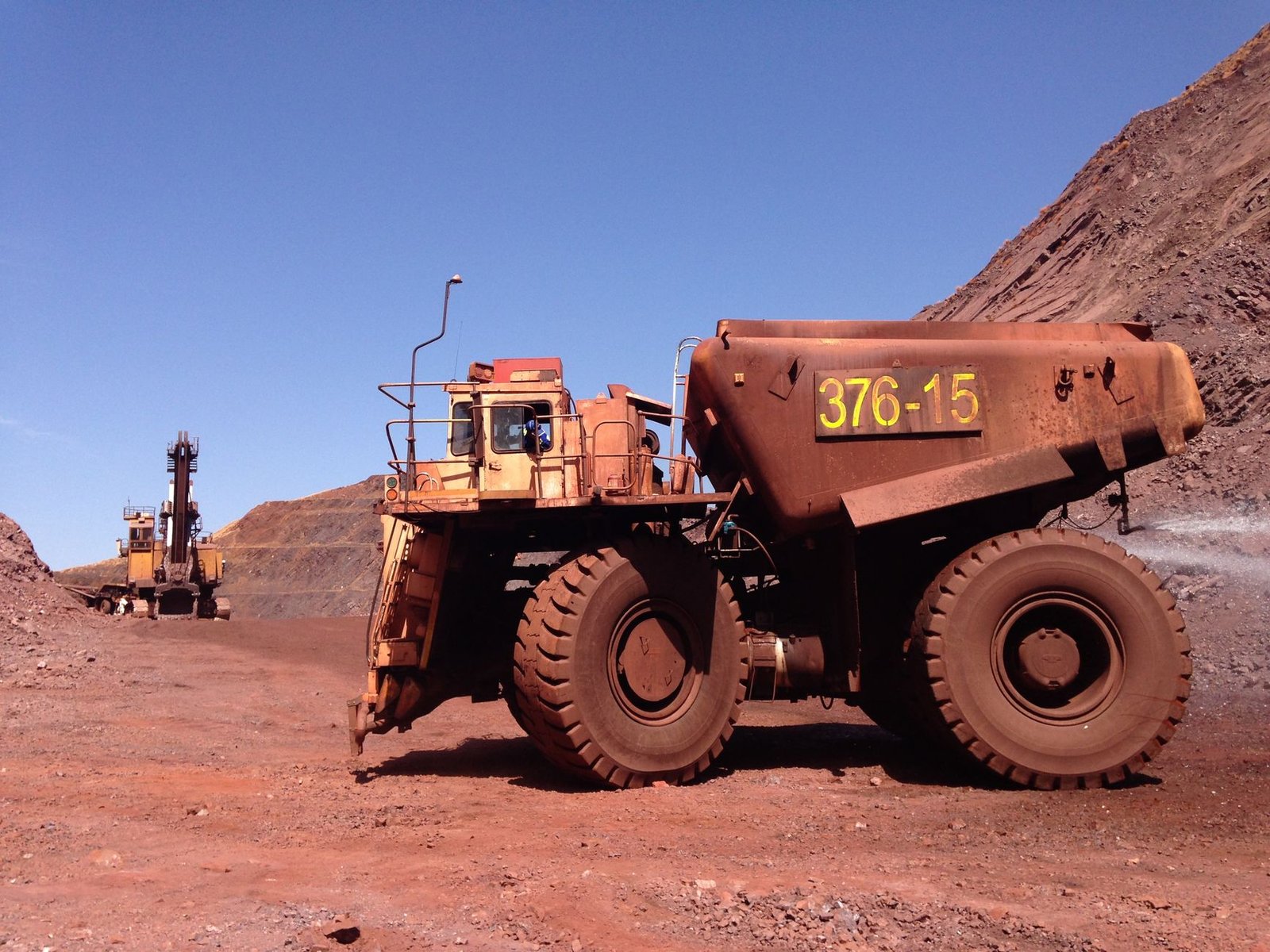
Manganese ranks alongside timber and petroleum as Gabon’s third-largest foreign exchange earner. The country stands as the world’s second-largest producer of the mineral, primarily extracted in the Haut-Ogooué region by Comilog, a subsidiary of French group Eramet, and Nouvelle Gabon Mining. Since the military-led Committee for the Transition and Restoration of Institutions (CTRI) took power in 2023, officials have repeatedly emphasized the need to boost fiscal returns from mining concessions. Yet the drastic revision in public accounts contradicts those ambitions.
The sharp decline follows a severe correction in international manganese prices since mid-2024, after a surge triggered by a mine fire in Australia earlier that year. Lower prices have naturally eroded the taxable income of operators in Gabon, shrinking their contribution base. Still, the gap between initial projections and actual outcomes raises questions about the reliability of the budgeting assumptions used in the original finance law.
Fiscal transparency under scrutiny in extractive sector
The issue carries added weight because Gabon has re-engaged with the Extractive Industries Transparency Initiative (EITI) following a multi-year hiatus. The 51.8 billion FCFA shortfall equates, for example, to several months of civil service salary payments in key ministries. The shortfall coincides with ongoing negotiations with the International Monetary Fund for a new budgetary support framework, amid liquidity strains and increased reliance on regional BEAC markets to meet monthly obligations.
Local analysts point to a striking inconsistency between the government’s tough rhetoric toward multinational extractive firms and the accounting reality laid bare in the revised budget. Authorities had pledged in late 2023 to review all mining and oil agreements, aiming to renegotiate fiscal terms deemed unfavorable to the state. Yet two years later, the actual mining corporate tax intake barely reaches 3% of the original target, with no official explanation provided on the macroeconomic or contractual assumptions behind this revision.
Strategic implications for Gabon’s economic planning
The adjustment arrives just weeks before critical milestones. The government must finalize its multi-year budget framework and reconcile infrastructure megaprojects with deficit containment. A revenue shortfall of this magnitude forces policymakers to rethink priorities—either through spending cuts or increased domestic borrowing. Multilateral lenders will closely watch how the transitional government justifies this gap to the National Transitional Council.
For mining investors, the episode sends mixed signals. While lower effective tax rates offer relief during a downturn, they also fuel political debate over fair returns from natural resources. The upcoming 2026 finance bill, expected this autumn, will need to clarify whether this adjustment reflects a temporary setback or a lasting shift in Gabon’s mining fiscal yield.