Gabon and Ghana strengthen economic ties with new partnerships
Libreville, Wednesday, July 29, 2026 — By prioritizing Accra for a major diplomatic engagement shortly after assuming office, Gabonese President Brice Clotaire Oligui Nguema underscored a bold reorientation in Africa’s economic diplomacy.
As African economies seek faster integration, Libreville is embracing a new model of continental partnerships, aiming to convert political ties into engines of growth, investment, and industrialization. The state visit to Ghana exemplifies this strategy, where cooperation is no longer limited to diplomacy but becomes a catalyst for economic development and strategic influence.
Welcomed at Ghana’s Presidential Palace by President John Dramani Mahama, the Gabonese leader framed the talks around economic synergy. Both nations bring complementary strengths to the table. Ghana has emerged as one of West Africa’s most diversified economies, while Gabon is accelerating the local processing of its natural resources and boosting its economic appeal.
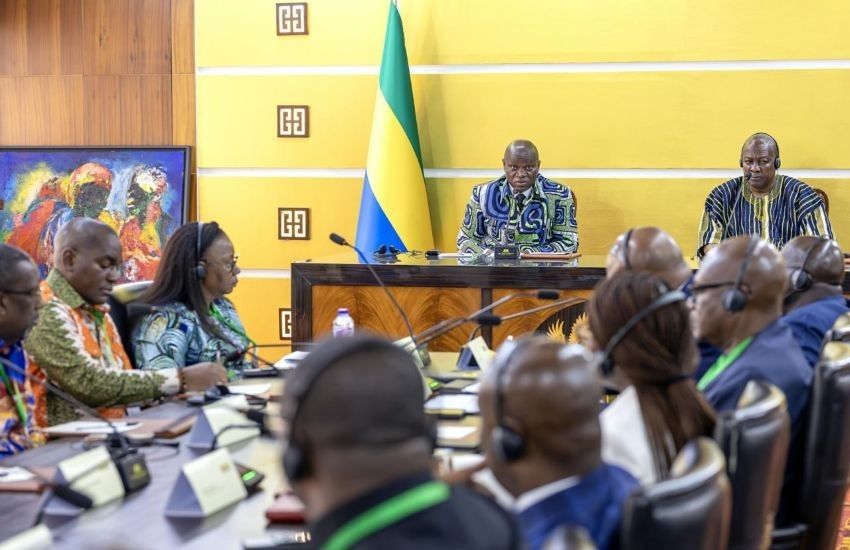
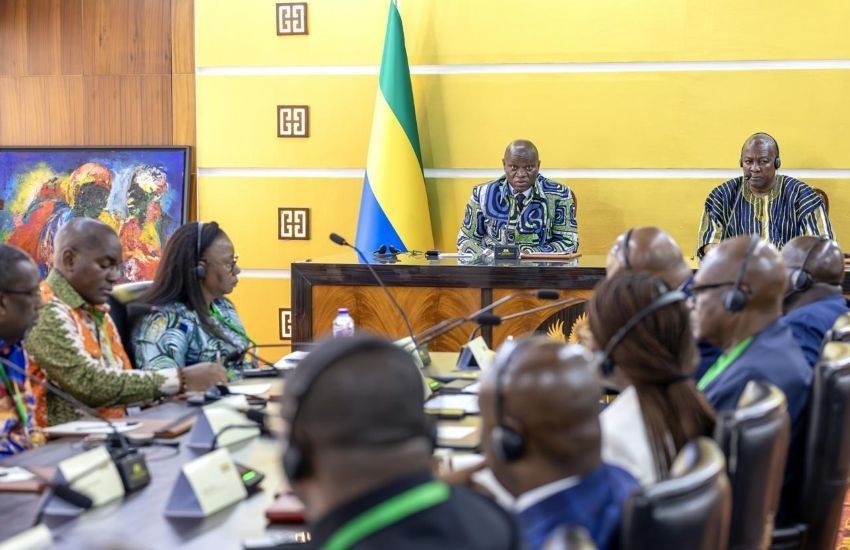
Beyond ceremonial exchanges, the one-on-one discussions between the two heads of state laid the groundwork for a long-term partnership. The talks expanded into a broader working session, uniting delegations from both countries to identify priority sectors for mutual development.
Partnership rooted in real economic outcomes
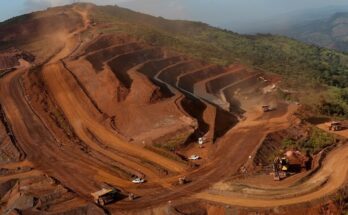
The chosen areas reflect a commitment to tangible, productive collaboration. Key sectors include mining, agriculture, fisheries, forestry, digital innovation, education, and local value addition in natural resources.
The goal is unambiguous: to move beyond generic cooperation agreements and foster cross-border investments, strengthen African value chains, and generate more jobs on the continent. This vision aligns with President Oligui Nguema’s economic agenda, which emphasizes diversification, skills transfer, and industrialization. Here, diplomacy evolves from a purely political function into a driver of national development.
Two landmark agreements were finalized during the talks. The first establishes reciprocal diplomatic training programs to enhance institutional capacities in both countries. The second creates a permanent political consultation mechanism, enabling Gabon and Ghana to align positions in regional and global forums.
A shift toward intra-African economic diplomacy
This visit signals a deeper transformation in Africa’s international relations. After decades of relying heavily on external partners, African nations are now prioritizing trade and cooperation among themselves.
The rapprochement between Libreville and Accra is a case in point. Both capitals are committed to building partnerships grounded in mutual benefit rather than aid-based models. This approach could help unlock the full potential of intra-African trade, which remains far below the levels seen in other global regions.
The symbolic gesture that closed the visit—planting an “arboretum of friendship”—embodied this vision. For two countries deeply invested in environmental stewardship, the act underscored a shared belief that African cooperation must also advance climate resilience, green growth, and sustainable resource management.
From vision to action
The true measure of this visit will lie in its implementation. The signed agreements must now translate into concrete projects: investments, academic exchanges, industrial collaborations, and business opportunities for enterprises in both nations.
Yet beyond the Gabon-Ghana partnership, this moment reflects a broader shift in African diplomacy. Amid global economic uncertainty, more African states are turning toward their neighbors, leveraging regional strengths and markets to fuel growth.
For Gabon, this marks a strategic pivot. International engagement is no longer confined to traditional partners; instead, the country is building alliances across Africa to support industrialization, innovation, and value creation on the continent. Should this momentum continue, the Accra visit could be remembered as a milestone in a new era of assertive African economic diplomacy—one where states don’t just talk, but build the future together.