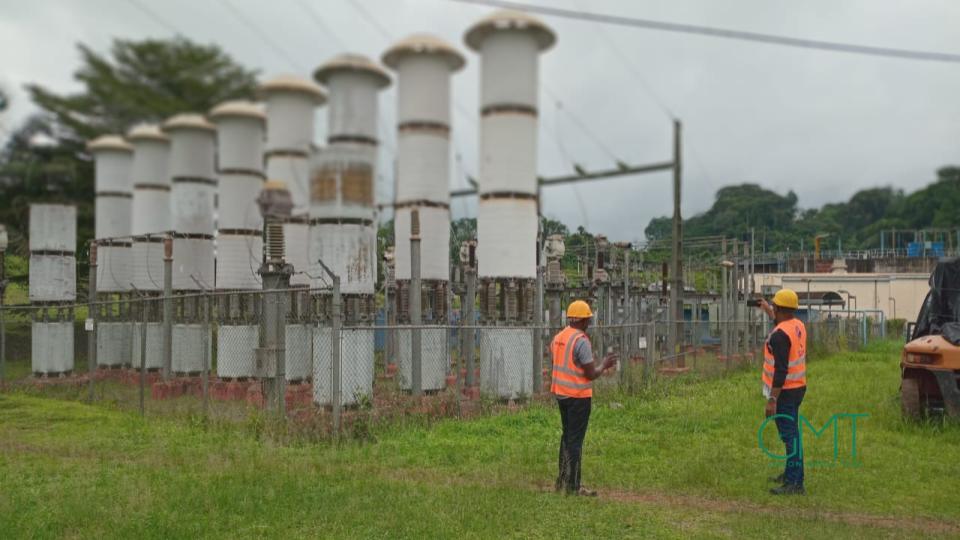
The production of electricity in Gabon has plummeted by 20.1% over the past year, with a staggering 13.2% drop in the first quarter of 2026 alone. This alarming trend, highlighted in the latest Sectoral Economic Outlook report from the Direction générale de l’économie et de la politique fiscale (DGEPF), reveals a systemic fragility that has become all too familiar to users.
Behind the statistics, the report points to numerous failures that have crippled production. The primary cause? Insufficient resources allocated for maintenance. Underneath the administrative jargon lies a well-known reality among observers: chronic underinvestment in the national electrical infrastructure.
By constantly pushing back on necessary investments and hastily patching up breaches, the network ultimately succumbs to the weight of years of neglect.
When Electricity Fails, Water Stopped Flowing
The impact goes far beyond flickering lights and malfunctioning appliances. The crisis reveals a domino effect that threatens the very fabric of daily life: the production of clean water has become increasingly unreliable.
Leakage of mechanical components, repeated failures on water pumps, and faulty electrical systems all contribute to the escalating crisis. The strain on already overworked equipment leads to premature wear and tear, leaving millions without access to potable water.
This vicious cycle highlights the perilous interdependence of basic services. The collapse of the electricity grid not only disrupts daily comfort and economic activity but also imperils the very foundation of life: access to clean drinking water. Without a comprehensive, long-term plan to modernize infrastructure, Gabon risks sinking into a spiral of widespread power outages.