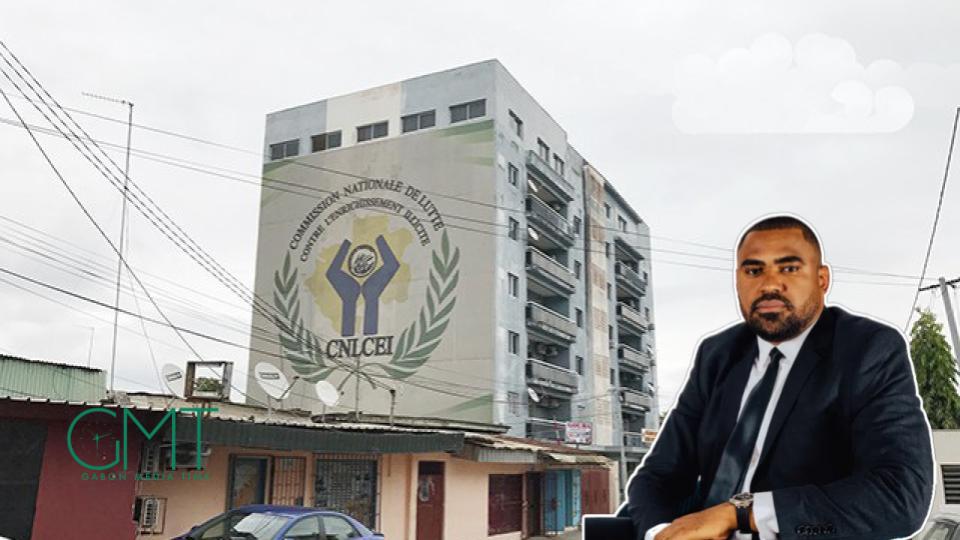
Jean-pierre Antchoue Ayenoue, Vice-president in charge of International Affairs and the Diaspora, specialized in anti-corruption and anti-money laundering measures, weighs in on the current state of national integrity.
What is the actual scale of corruption in Gabon?
From June 29 to July 1, 2026, Libreville will serve as the staging ground for a critical mission of international experts. Mandated by the United Nations Office on Drugs and Crime (UNODC), these specialists will analyze the mechanisms Gabon has established to prevent graft and recover stolen assets. This visit is part of the second review cycle of the United Nations Convention against Corruption (UNCAC).
While this event might slip under the radar of daily news, ignoring it would be a significant oversight. The battle against financial malpractice is not just a political platform for the Front Démocratique Socialiste; it is a fundamental necessity for the nation’s future. This upcoming evaluation offers a vital window for citizens and patriots to examine how the country handles its most persistent administrative shadows.
The reality of the second UNCAC cycle
Since ratifying the UNCAC in 2007, Gabon has committed to concrete standards regarding transparency, institutional oversight, whistleblower protection, and the return of embezzled funds. The current peer-review process—conducted alongside Tchad and Libye—scrutinizes how these obligations are met, pinpointing gaps and offering paths for improvement.
While the initial phase from 2010 to 2015 focused on criminalization and legal cooperation, this second stage shifts the focus toward two urgent pillars: the prevention of corruption and the effective recovery of ill-gotten gains.
Have concrete actions truly been taken?
Questions continue to swirl regarding the effectiveness of the National Commission to Combat Corruption and Illicit Enrichment (CNLCEI). Nearly a year after the transition of August 30, 2023, many wonder if the body designed to hunt down those who profited under the previous era has evolved. For many Gabonese, the results remain elusive: which assets have been returned to the state, and who has faced the courts?
Efforts to bolster public integrity have seen some movement. In July 2025, a workshop in Libreville aimed to promote a new Code of Ethics across public administrations. However, the practical application of this code remains a point of contention. Is it actually being enforced in the halls of government?
Furthermore, in February 2026, new rapporteurs for the CNLCEI were sworn in before the Court of Cassation in Libreville, signaling a renewal of the institution’s personnel. While this administrative progress is a positive sign, their impact on the ground has yet to be felt by the public.
More recently, in May 2026, the CNLCEI collaborated with the International Organization of the Francophonie (OIF) to hold sessions on good governance and institutional strengthening. While these initiatives show a desire to align with international standards, the true test of governance is not the number of workshops held. It is measured by the reduction of bribery, the punishment of misconduct, and the restoration of public trust.
A sober look at the current landscape
It would be inaccurate to say nothing has changed. Since the transition period began, the CNLCEI has seen its legal powers expanded, and new constitutional provisions now emphasize transparency in resource management. Wealth disclosure requirements have also been broadened to include more public officials.
During international meetings in Vienne, Gabonese representatives highlighted improvements in administrative coordination and a renewed commitment to multilateral cooperation. Yet, despite these individual steps, Gabon still lacks a comprehensive, unified national anti-corruption plan. Without an integrated strategy and a clear roadmap for monitoring results, these measures risk remaining isolated actions rather than a cohesive policy.
Acknowledging the depth of the problem
Cooperating with international evaluators is a necessary first step, but the nation requires a transparent confrontation with the practices that paralyze the administration. International indicators remain a cause for concern. The administrative culture, shaped by decades of tolerance for conflicts of interest and direct-award contracts, is difficult to dismantle.
Public procurement remains a major hurdle. It has been noted that a staggering 93.25% of contracts by value were recently awarded through direct negotiation rather than open bidding. Furthermore, Gabon continues to sit in the lower tiers of global corruption perception rankings, despite a slight improvement in recent scores. Oversight bodies still struggle with limited resources and an independence that is often more theoretical than practical.
Is Gabon still lagging behind in the global fight against corruption? The upcoming international evaluation will provide the definitive answer. In the meantime, a new awareness campaign is being launched to engage citizens in this essential struggle for the country’s integrity.