The République démocratique du Congo (RDC), Rwanda, and the High Commissioner for Refugees (UNHCR) are moving toward a significant milestone in their joint voluntary repatriation program. During a high-level summit held on Monday, June 22, 2026, in Addis-Abeba, Éthiopie, officials from both nations and the UN agency celebrated current progress while outlining a strategy to expedite the return of displaced individuals over the coming months.
Progress in the repatriation of Rwandan citizens
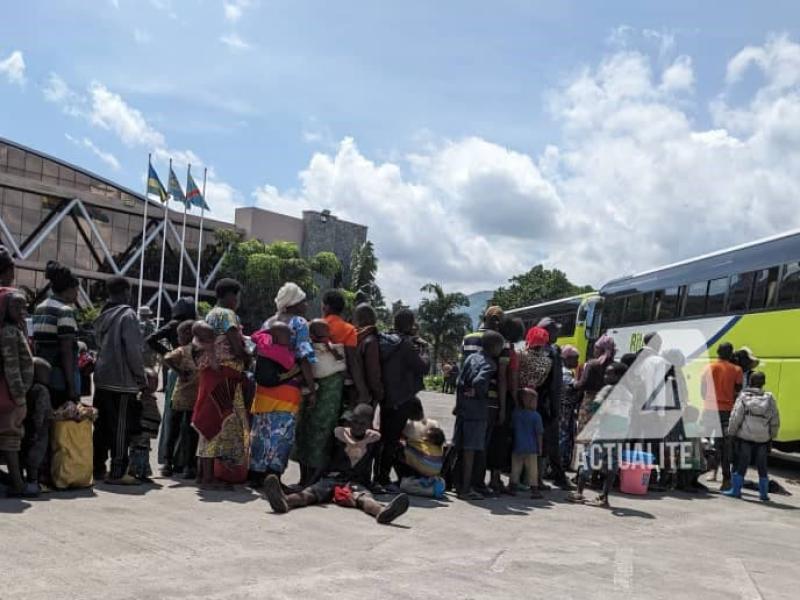
Statistical data shared during the ministerial session indicates that 8,394 Rwandan refugees previously living in the RDC have successfully returned to their home country since January 2025. This figure includes 2,347 individuals who opted for voluntary repatriation since the start of 2026. These returns have been conducted with an emphasis on safety and human dignity.
Encouraged by these results, the tripartite partnership has set an ambitious objective to facilitate 10,000 voluntary returns by the end of 2026. This momentum is seen as a crucial step toward regional stability and resolving long-standing displacement issues.
Planning for the return of Congolese refugees
The discussions also addressed the status of Congolese refugees currently residing in Rwanda. While this specific phase of the repatriation process has not yet commenced, the parties have established a preparatory framework. Starting in October 2026, the RDC will identify specific priority zones for return, utilizing data from intention surveys and geographical information provided by Rwanda.
To ensure the program remains on track, Kinshasa, Kigali, and the UNHCR have committed to formalizing their coordination through quarterly cross-border meetings. The first of these sessions is scheduled for September 2026 and may be held in person or via video conference.
Logistics and health protocols
A key logistical decision involves the use of the Kamanyola (Sud-Kivu, RDC) – Bugarama (Rwanda) border crossing. This point will serve as the primary corridor for the safe return of more than 3,600 Rwandan refugees currently located across the southern regions of Sud-Kivu. The RDC has pledged to develop the necessary transit routes to help those wishing to return reach this crossing point efficiently.
Furthermore, Rwanda has affirmed its commitment to continuing the repatriation efforts while strictly adhering to regional health guidelines, particularly those concerning the management of Ebola and other public health directives.
Diplomatic framework and long-term goals
This initiative operates under the legal framework of tripartite agreements signed in February 2010 and aligns with international standards set by the 1951 Refugee Convention and the 1969 OUA Convention. The UNHCR remains a central, neutral partner in managing these humanitarian efforts.
The issue of displaced populations has long been a sensitive point of discussion in regional diplomacy, involving the Washington Peace Accord and the Doha process. While these diplomatic tracks have integrated refugee concerns into their peace frameworks, implementation has faced delays. This renewed commitment in Addis-Abeba aims to bridge the gap between high-level agreements and tangible results for the populations in eastern RDC.