Gabon’s strategic shift: transforming mineral wealth into a thriving local economy
Libreville, Friday, July 17, 2026 – For countless decades, Africa’s resource-rich nations have grappled with a persistent contradiction. While abundant natural resources were extracted from their lands, a significant portion of the generated added value, skilled employment, and industrial prospects often departed overseas. Gabon is now firmly committed to breaking away from this historical pattern.
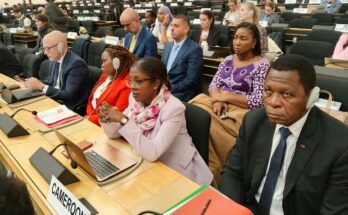
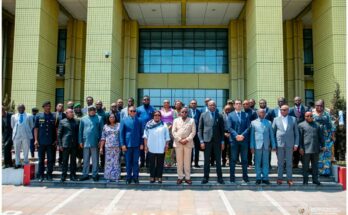
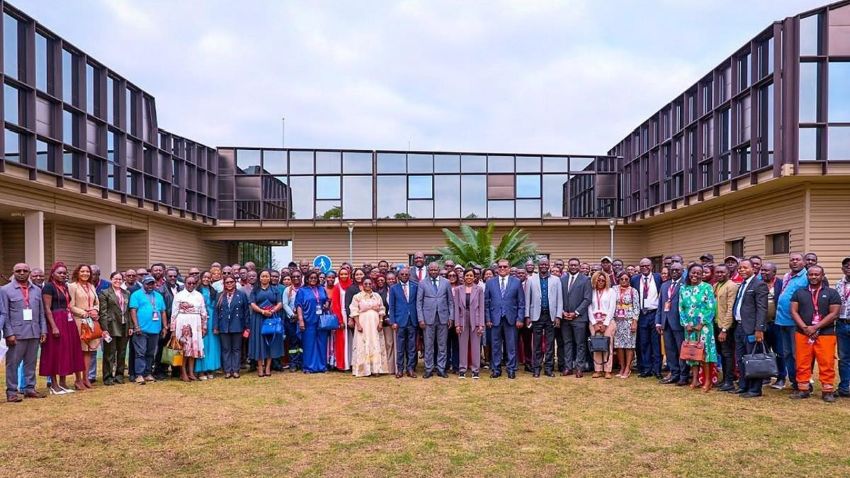
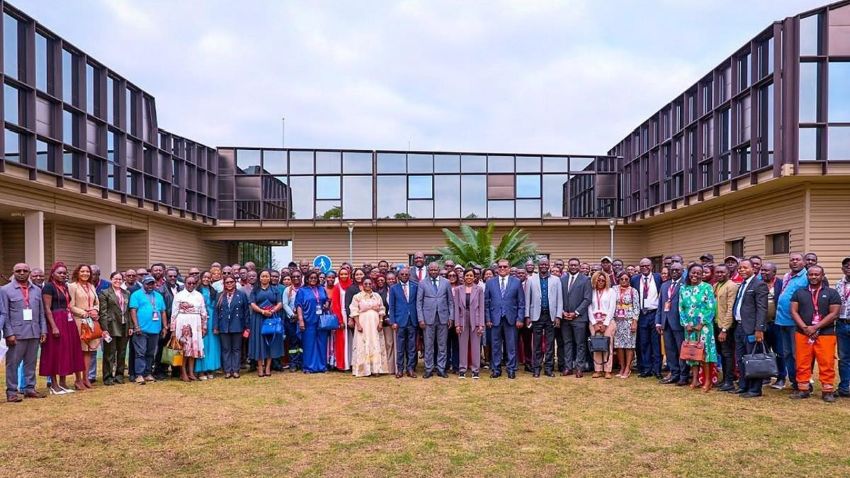
Under the leadership of Zénaba Gninga Chaning, the Minister for Entrepreneurship, Commerce, SMEs-SMIs, and Youth Entrepreneurship, key public sector representatives, private enterprises, financial institutions, and mining operators convened for a crucial strategic discussion. The central theme was local content, now positioned as a fundamental pillar in the nation’s economic transformation agenda.
For the Compagnie Minière de l’Ogooué (Comilog) and the Eramet group, this initiative transcends mere regulatory compliance. Their vision is far broader: to sustainably convert mineral wealth into robust national capabilities, competitive businesses, high-skilled jobs, and widespread prosperity for all Gabonese citizens.
The true objective is no longer simply to extract ore, but to ensure an increasing share of the wealth generated remains within national borders, directly benefiting the people of Gabon.
Moving beyond traditional extractive models
The concept of local content is steadily becoming a paramount economic discourse among commodity-producing nations. Its principle is straightforward yet complex in execution: every mining investment must serve as a catalyst for the growth of national enterprises, the development of local expertise, and the strengthening of domestic industrial capacities.
From this vantage point, contracts awarded to national companies represent only an initial step. The overarching goal is now to foster the emergence of genuine national champions capable of pioneering innovation, exporting their specialized knowledge, and successfully penetrating new regional and international markets.
The day-long strategic session dedicated to this challenge highlighted several enduring obstacles that continue to impede the advancement of Gabonese SMEs. Access to adequate financing remains a primary constraint, alongside the complexities of administrative and fiscal compliance, insufficient visibility into market opportunities, the necessity for certification, and a shortage of specialized skills.
Participants also underscored the critical importance of enhancing the overall business environment and strengthening collaborative mechanisms among government administrations, private companies, banks, training institutions, and employer organizations.
Building an ecosystem, not just a market
The originality of this current initiative lies in its methodology. Drawing inspiration from Design Thinking principles, it prioritizes solutions directly derived from on-the-ground realities, moving away from a purely top-down approach. Prior consultations actively involved public administrations, banking establishments, microfinance institutions, professional bodies, and training centers in a spirit of co-construction.
This approach signifies a profound evolution in modern industrial policies. Local content cannot succeed if it relies solely on contractual obligations imposed upon major mining companies. Instead, it demands the cultivation of a robust economic ecosystem capable of meeting international benchmarks for quality, safety, competitiveness, and governance.
Human capital, therefore, emerges as a central concern. Technical training, professional certification, mentorship programs, skill transfer initiatives, and the professionalization of SMEs are recognized as the vital, albeit often unseen, infrastructure underpinning economic sovereignty. Participants unanimously agreed that no local content policy can thrive without substantial investment in national competencies.
A visible dynamic, poised for greater scale
Figures presented by the Compagnie Minière de l’Ogooué already demonstrate significant progress. The company currently collaborates with 780 local suppliers and service providers, with nearly three-quarters being Gabonese-registered entities. Over 37% of the company’s procurement is conducted within the national market, injecting approximately 56.8 billion CFA francs directly into the local economy.
Subcontracting activities further generate over 3,000 direct jobs through partner companies. These outcomes clearly illustrate a tangible dynamic, yet one that remains insufficient when considering the full potential of Gabon’s mining sector.
The stated ambition now is to escalate this impact. The primary objectives set by participants include generating and retaining more wealth locally, fostering more resilient SMEs, creating thousands of additional skilled employment opportunities, strengthening human capital, and forging enduring public-private partnerships.
Thus, local content is emerging as far more than a mere sectoral industrial policy; it is progressively becoming a comprehensive national project for economic transformation.
In a global landscape where critical raw materials are increasingly a major geopolitical concern, the nations that will truly prosper tomorrow may not be those that extract the most resources. Rather, they will be those adept at transforming these resources into thriving businesses, valuable expertise, innovative technologies, and sustainable prosperity. Gabon appears to be firmly positioning itself within this latter category.