Since the early 2000s, several African nations have implemented laws and quotas to enhance women’s representation in political institutions. While progress varies widely across the continent, two West African countries—Senegal and Chad—offer contrasting models of gender parity in governance.
Senegal’s gender parity law: progress and limitations
In Senegal, the Parity Law, adopted in 2010, mandates gender alternation on electoral lists for local, legislative, and municipal elections. This legal framework has significantly boosted women’s presence in the National Assembly and local councils. However, the law does not extend to cabinet appointments, which remain at the discretion of the President. As a result, women’s representation in government fluctuates based on presidential priorities rather than institutional obligations.
Chad’s progressive parity reforms yield measurable results
Chad took a more ambitious approach in 2018 with an ordinance establishing strict gender parity in both elective and appointive positions. A 2021 decree further clarified the mandate, requiring a minimum 30% representation of women in senior government roles, public institutions, and territorial administrations. Additional electoral reforms introduced mandatory gender-balanced candidate lists, reinforcing the push for political inclusion.
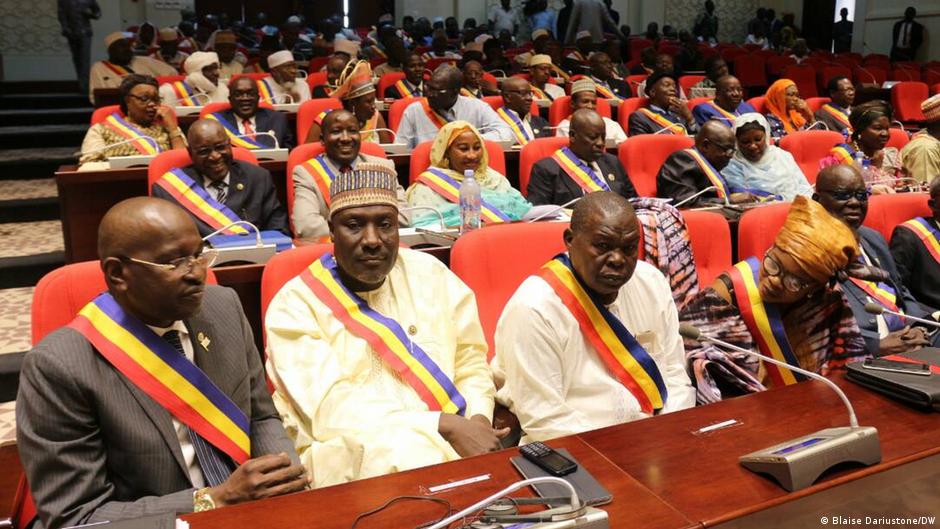
The impact of these reforms is evident: in the 2024–2025 legislative elections, women secured 34% of National Assembly seats—64 out of 188 deputies. As of April 2026, Chad’s government includes 12 women among 37 ministers and secretaries of state, representing approximately 32% of the cabinet. While these figures represent tangible progress, they also underscore the ongoing challenges in achieving true gender equality in political leadership.
Persistent barriers to full equality
Despite legislative advances, women remain underrepresented in key decision-making roles across Chad and Senegal. Structural barriers—including societal norms, economic disparities, and entrenched cultural attitudes—continue to hinder women’s full participation in politics. While quotas and laws provide a foundation, sustained cultural shifts and institutional commitment are essential to bridge the remaining gap.