In Cameroon and the Democratic Republic of Congo, the gold mining sector faces persistent governance challenges despite ongoing efforts to improve oversight. A recent report by the Institute for Security Studies (ISS) highlights critical gaps in revenue transparency, with gold revenues increasingly failing to reach state coffers. This alarming trend underscores the need for stricter oversight of both domestic and international mining operators.
dramatic discrepancies in gold export data
Official figures reveal stark mismatches between declared gold exports and actual trade volumes. For instance, Cameroon reported exporting just 22 kilograms of gold in 2023, while importers claimed to have purchased 15 tons. This glaring disparity raises serious questions about the integrity of the gold supply chain and the effectiveness of current regulatory frameworks.
The findings come as the Extractive Industries Transparency Initiative (EITI) calls for greater accountability in resource-rich nations. Experts argue that such inconsistencies not only deprive governments of vital revenue but also fuel illicit trade and undermine public trust in mining governance.
calls for stronger oversight mechanisms
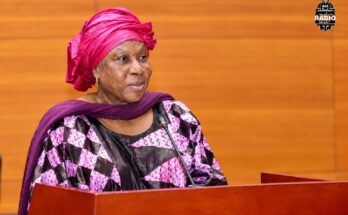
Professor Aïcha Pemboura, a researcher at the ISS’s Observatory on Organized Crime and Violence in Central Africa, emphasizes the urgency of holding both national and foreign operators accountable. In an exclusive discussion, she stresses that robust regulatory frameworks are essential to curb financial leakages and ensure equitable revenue distribution.
«The current system allows too many loopholes,» Pemboura notes. «Without transparent reporting and independent audits, gold mining will continue to operate in the shadows, depriving local communities of their fair share of benefits.»
the human cost of weak governance
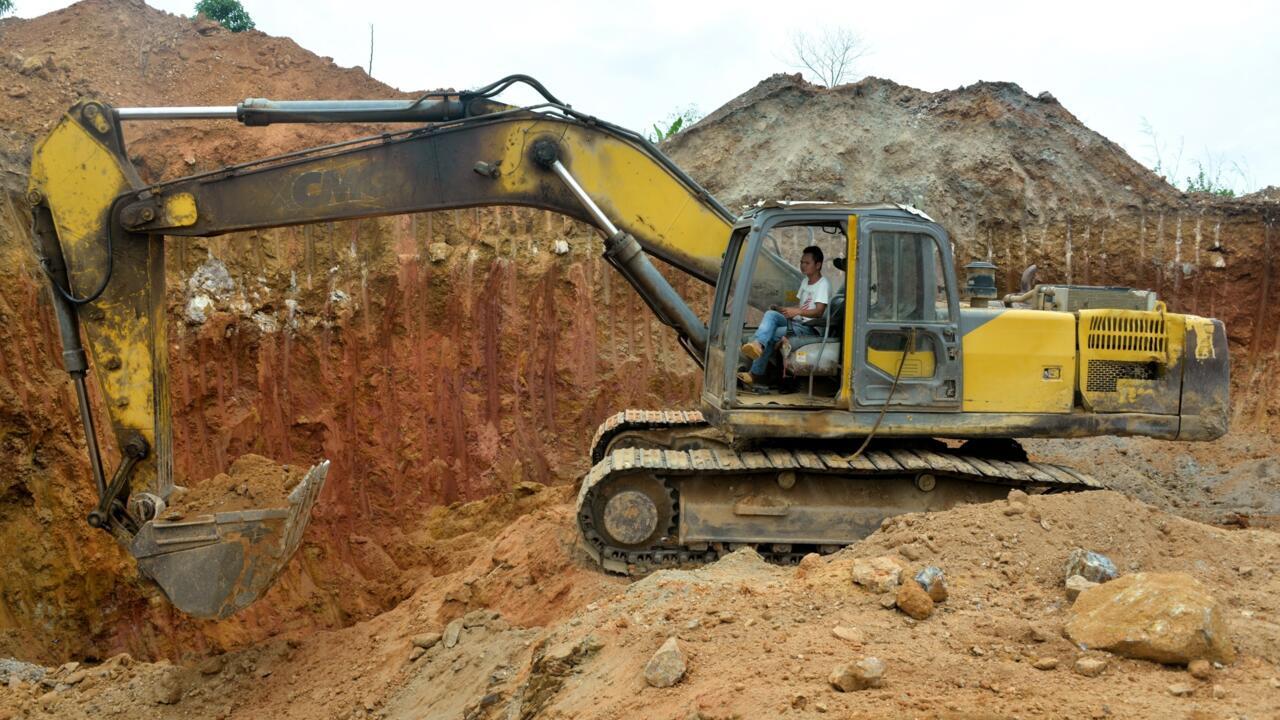
Beyond financial losses, the lack of accountability in gold mining has severe social and environmental consequences. Artisanal mining, which employs thousands across both countries, often operates without proper licenses or safety standards. This informal sector contributes to deforestation, water pollution, and hazardous working conditions, further exacerbating poverty in mining communities.
Environmental activists warn that unchecked mining activities are accelerating ecological degradation, particularly in regions like Betare Oya in Cameroon, where foreign-operated mines have left a trail of environmental destruction. «Local populations bear the brunt of these failures,» says an environmental advocate. «Their lands are degraded, their water sources contaminated, and their livelihoods threatened.»
pathways to reform
To address these challenges, experts recommend a multi-pronged approach:
- strengthening regulatory frameworks: Implementing stricter licensing, mandatory audits, and real-time tracking of gold shipments.
- enhancing transparency: Publishing detailed reports on gold production, exports, and tax payments to ensure public oversight.
- supporting artisanal miners: Formalizing the sector to provide miners with better access to markets, credit, and safety equipment.
- international cooperation: Collaborating with global partners to clamp down on illicit gold trade and money laundering.
The path to reform is fraught with obstacles, but the stakes could not be higher. For nations like Cameroon and the DRC, gold mining represents a vital economic opportunity—one that must be harnessed responsibly to benefit all citizens, not just a privileged few.