human rights violations escalate in eastern DRC despite legal protections
24 july 2026In the Democratic Republic of the Congo, international humanitarian law continues to be systematically violated in conflict zones across the eastern provinces, despite repeated assurances from authorities and international partners. The International Committee of the Red Cross (ICRC) has raised urgent concerns, emphasizing the need for stricter enforcement of these critical protections.
On July 23, the ICRC convened a high-level conference in Kinshasa to address the worsening humanitarian crisis and advocate for stronger adherence to international legal frameworks. The gathering highlighted the severe consequences of unchecked violence, particularly for civilians caught in the crossfire of relentless armed confrontations.
When war’s rules fail to shield the vulnerable
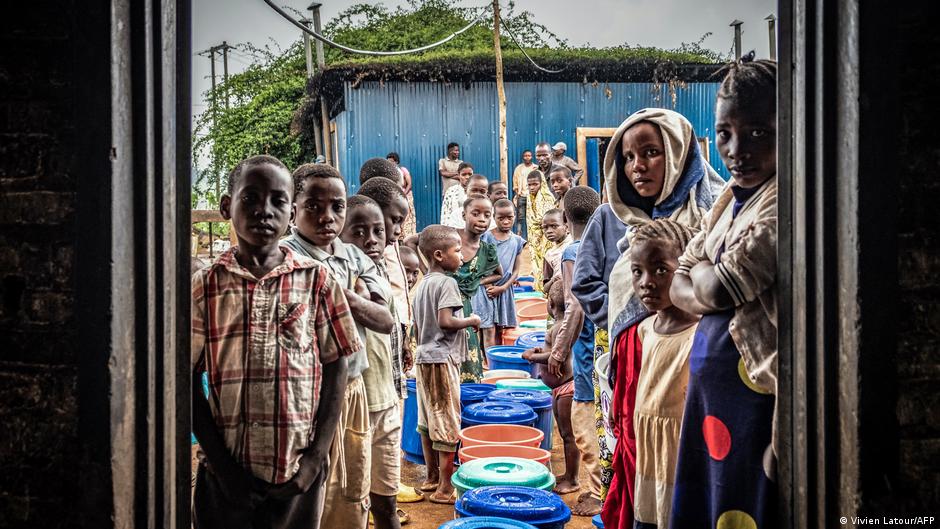
Across conflict-ridden regions, international humanitarian law remains poorly understood and even more rarely respected. This gap leaves civilians—especially women, girls, and children—exposed to grave dangers, including sexual violence and forced displacement. The situation has reached catastrophic levels, with millions of women and girls enduring horrific abuses.
“Sexual violence has spiraled out of control—millions of women and girls are affected every day,” warns Julienne Lusenge, a prominent human rights activist. “While men and boys are also victims, the overwhelming majority of survivors are women and girls, who pay the heaviest price.” She stresses the urgent need for international accountability, demanding justice for survivors and severe penalties for perpetrators.
“To date, not a single case of sexual violence has been prosecuted at the international level,” she adds. “This impunity must end. The world must unite to hold perpetrators accountable under international law.”
Trials as a tool for justice and deterrence
Julienne Lusenge underscores the necessity of bolstering security forces’ capabilities and dismantling armed groups to better safeguard civilians. Meanwhile, military justice in the DRC has intensified efforts to prosecute soldiers accused of human rights abuses. General Jean-Paul Tshayikolo, a military magistrate at the High Military Court, explains that these trials serve a dual purpose: punishing wrongdoers and deterring future violations.
“Our armed forces include both disciplined personnel and those who exploit their positions,” he notes. “While we strive for zero tolerance for misconduct, absolute impunity remains elusive. Each military trial sends a powerful message—soldiers are educated through verdicts, and the justice system remains committed to accountability.”
Military court records confirm a consistent track record of prosecutions, reinforcing the judiciary’s resolve to curb violations.
Fractured alliances fuel humanitarian law violations
More than 200 armed groups operate across eastern DRC, primarily in North Kivu, South Kivu, Ituri, and, to a lesser extent, Tanganyika. The fluid and shifting alliances among these factions make it exceedingly difficult to pinpoint responsibility for atrocities, further complicating accountability efforts.
International humanitarian law’s fundamental principle—distinguishing between combatants and civilians—is frequently disregarded in practice. This failure not only exacerbates civilian suffering but also undermines legal proceedings, allowing impunity to persist.