
Deep in Mali’s northern expanse, the city of Kidal remains a flashpoint of relentless conflict. Despite international efforts to stabilize the region, the Front de Libération de l’Azawad (FLA), led by Alghabass Ag Intalla, continues to assert its control over the area. Our on-the-ground investigation reveals a landscape scarred by ongoing clashes and shifting alliances.
Kidal: a city caught between war and resilience
Kidal, often described as the epicenter of rebellion in northern Mali, remains a city under siege. The FLA, a coalition of armed groups, has entrenched itself in the region, defying government forces and regional peacekeepers. Residents speak of a fragile calm, punctuated by sporadic violence and the ever-present threat of renewed hostilities.
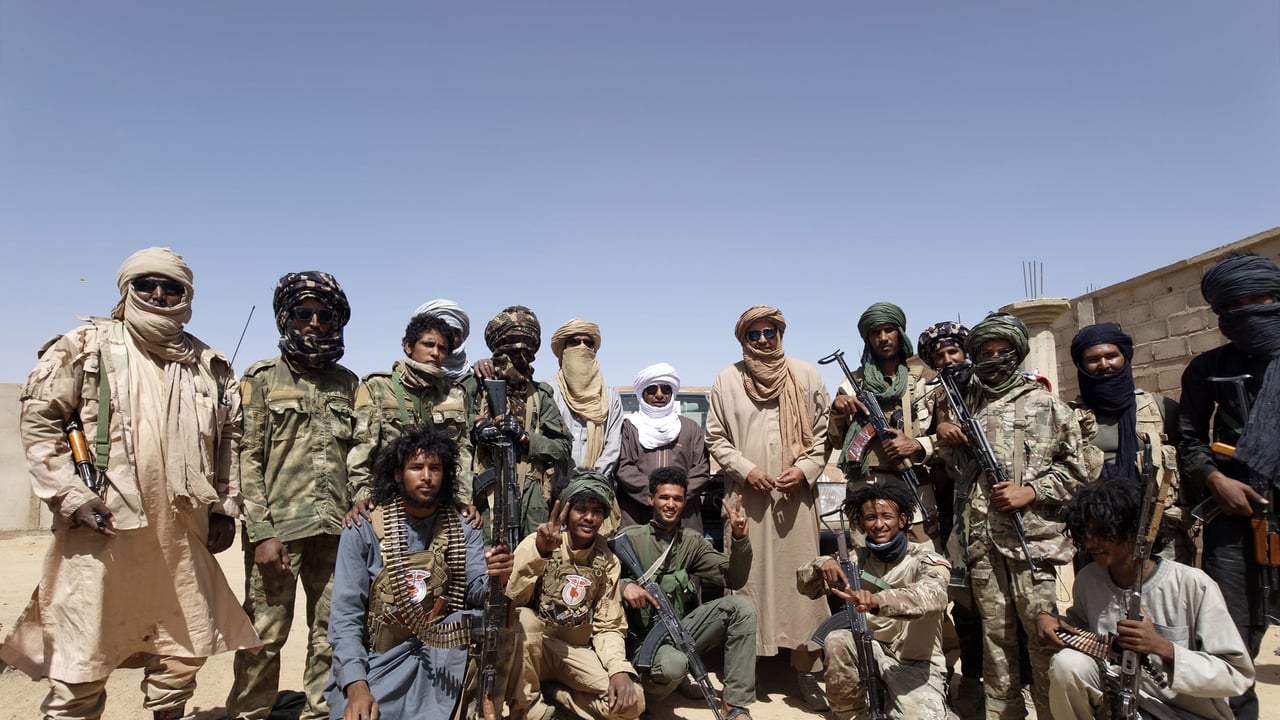
The presence of Alghabass Ag Intalla, flanked by his fighters, underscores the FLA’s determination to maintain its grip on the territory. Interviews with locals paint a picture of a community navigating daily life amid uncertainty, where access to basic services is severely compromised.
Key figures shaping the conflict
The dynamics in Kidal cannot be understood without acknowledging the prominent figures driving the conflict. Among them:
- Alghabass Ag Intalla: The charismatic leader of the FLA, whose influence extends across vast swathes of northern Mali. His ability to mobilize fighters and command loyalty remains a cornerstone of the rebellion’s resilience.
- Iyad Ag Ghaly: A veteran rebel commander whose name is synonymous with decades of insurgency in the Sahel. His strategic decisions continue to shape the trajectory of the conflict.
- Assimi Goïta: The military leader steering Mali’s transitional government, whose forces are locked in a protracted struggle to reclaim control over Kidal and restore state authority.
Challenges to peace and stabilization efforts
The conflict in Kidal is not merely a local skirmish; it is a complex web of historical grievances, ethnic tensions, and geopolitical interests. International mediation efforts have so far failed to yield lasting solutions, as armed groups remain entrenched and distrust of central authorities runs deep.
Efforts to broker peace are further complicated by the proliferation of armed factions, each with its own agenda. The Jama’at Nusrat al-Islam wal Muslimin (JNIM), an affiliate of al-Qaeda, continues to exploit the chaos, launching attacks that destabilize an already fragile region.
Humanitarian crisis unfolding
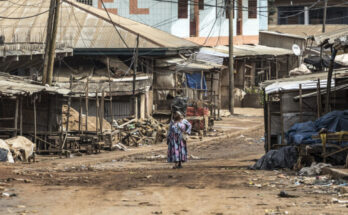
Beyond the battlefield, the people of Kidal are grappling with a severe humanitarian crisis. Displacement, food insecurity, and limited access to healthcare have pushed communities to the brink. Aid organizations struggle to deliver critical supplies, as insecurity and logistical challenges hinder their efforts.
Children in particular bear the brunt of the crisis, with many denied access to education and basic healthcare. The psychological toll on families, already traumatized by years of conflict, is immeasurable.
What lies ahead for Kidal?
The road to peace in Kidal is fraught with obstacles. The Malian government’s military campaigns, while intensifying, have yet to dislodge the FLA and its allies. Meanwhile, the international community watches closely, weighing the risks of deeper involvement against the potential for further destabilization.
For the people of Kidal, the future remains uncertain. Yet, amid the chaos, stories of resilience and hope emerge. Local leaders and civil society activists are working tirelessly to rebuild trust and foster dialogue, in the hope of one day achieving lasting peace.