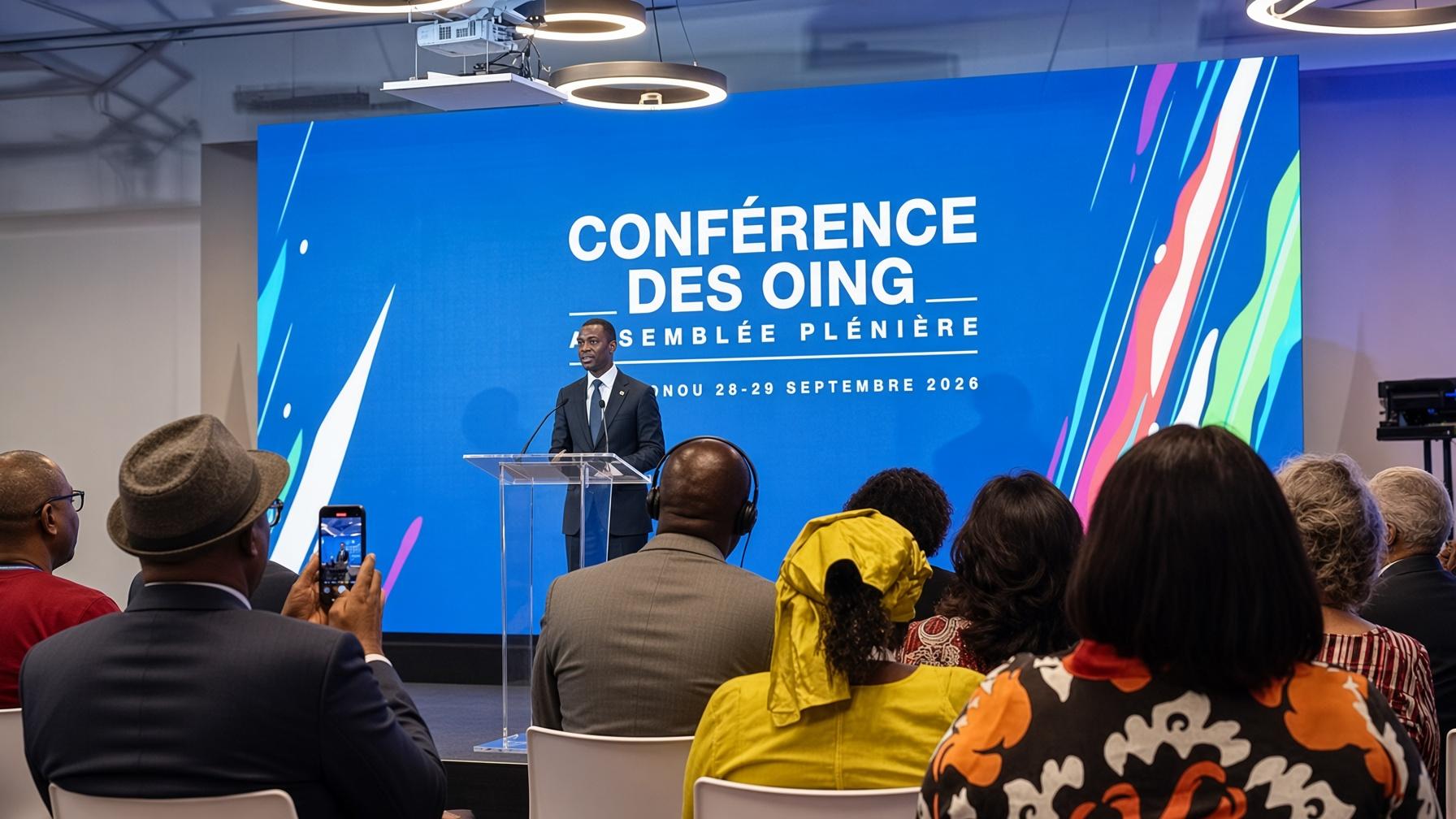
When the 16th ordinary plenary assembly of the Conférence des organisations internationales non gouvernementales (COING) de la Francophonie opened in Cotonou on 28 September 2026, the two-day gathering was far more than a routine diplomatic calendar entry. It exposed the quiet mechanics that will decide whether francophone peace pledges survive contact with reality. As the clock ticks toward the 20th Francophonie Summit on 15–16 November in Cambodia, civil society actors have moved from the margins to the drafting table, determined to ensure that their 2026–2028 roadmap carries weight.
Peace as a lived reality, not a slogan
Under the banner “Reinvesting in peace, mobilising francophone civil society for shared prosperity, resilient territories and lasting stability,” the meeting made a pointed argument: peace is not simply the absence of armed conflict. It depends on social justice, reliable access to essential services, mediation, the defence of human rights, and the capacity to absorb economic and security shocks. By framing peace this way, participants pushed back against the temptation to treat stability as a talking point or a photo opportunity.
A louder civic voice in decision-making
The Cotonou assembly amplified a demand that has been building for years: a tighter partnership between states, parliamentarians and non-governmental organisations. Because citizen organisations operate closest to the ground, they insist on being included in the decision-making processes of the Organisation internationale de la Francophonie (OIF). Their argument is practical—local recommendations only become meaningful when they are translated into public policies that communities can feel.
Building a COING that delivers
The assembly’s core purpose was to make COING more operational. Its priorities for the next two years reflect that ambition:
- Strengthening networks: creating structured synergies among francophone NGOs so they act as a coordinated force rather than isolated voices.
- Mobilising resources: developing strategic financial and technical partnerships to fund sustained action.
- Tracking impact: measuring, in concrete terms, what actions actually change within communities.
Why hosting matters for Bénin
By welcoming this session, Bénin reaffirmed its central place in francophone dialogue. More than a logistical role, hosting signals a stake in shaping the conversation before it reaches the summit stage. Weeks away from the Cambodia meeting, the civil society gathered in Cotonou delivered a clear message: the future of la Francophonie cannot be built without the active involvement of citizens and the organisations that represent them.
What to watch before Phnom Penh
The real test will be whether the roadmap survives the journey from Cotonou to Cambodia. The assembly set expectations high, but the levers of implementation remain contested. The behind-the-scenes dynamic is straightforward—civil society has drafted its contribution; now it must persuade states and institutions to treat that contribution as binding rather than advisory. For millions of francophone citizens, the difference will show up in whether peace and resilience become measurable outcomes or remain aspirational language.