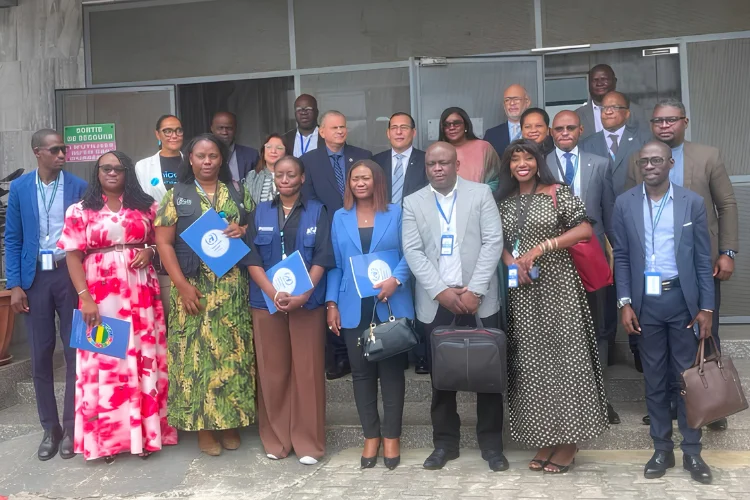
When the United Nations System in Gabon sat down with journalists at the UN common house, the headline figure of 10.5 billion CFA francs (around $18.5 million) for 2025 was already public. But the meeting offered something more valuable than a number: a rare look at how that money was actually deployed, who carried the work, and why the conversation with the media matters for the road ahead.
Why the 2025 engagement went beyond project counting
The Resident Coordinator of the UN System in Gabon, Fatou Aminata Lo, used her first press encounter since taking office in January to frame the year’s contribution in broader terms. Flanked by agency heads, she stressed that impact cannot be reduced to a tally of completed projects. In her words, the real measure lies in the ability to bring actors together and help turn public policies into tangible results for the population.
How 10.5 billion CFA francs was structured and staffed
The 2025 envelope was channelled through 21 entities and mobilised close to 300 collaborators, 70 percent of whom are nationals. This staffing choice is itself a signal: the UN System is betting on local capacity rather than external expertise alone. The funding was organised around three strategic priorities that shaped every intervention.
Three pillars that guided the 2025 allocation
- Good governance and human rights – strengthening institutions and civic space.
- Green and blue economy transition – supporting sustainable use of natural resources.
- Equal opportunity and social inclusion – widening access to basic services and economic participation.
What journalists wanted clarified
During the exchange, reporters did not hold back. They raised pointed concerns about the true role of the UN System and sought clearer answers on how these programmes translate into direct relief for people facing pressing socio-economic hardships. The discussion was frank, without diplomatic cushioning, and it set the stage for a closer, more transparent working relationship between the UN and the media.
That transparency is not a side issue. It is the connective tissue between a budget line and the daily reality of Gabonese households. By opening the floor to tough questions, the UN System signalled that the 2025 report is not an end point but a starting point for deeper accountability as Gabon moves toward the 2028-2032 framework and the Sustainable Development Goals.