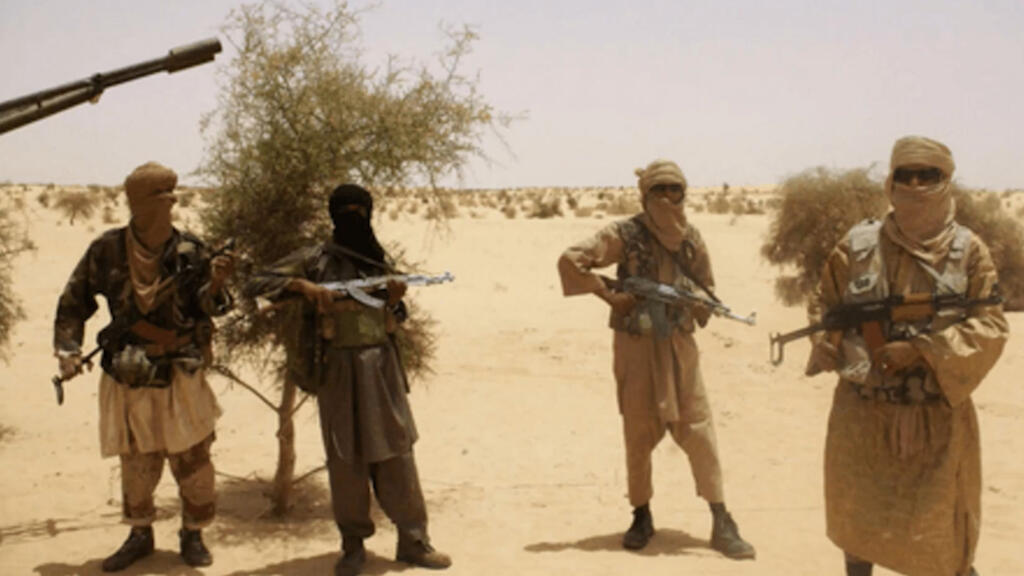
Armed groups linked to the Jama’a Nusrat ul-Islam wa al-Muslimin (JNIM) launched coordinated attacks on five villages in the Bandiagara region of central Mali late Friday evening, leaving at least twenty people dead. The assaults targeted communities in Dimbal and Bankass communes, where local vigilantes known as dozos have taken up defensive roles amid ongoing security gaps in the area.
According to local officials and community leaders, the jihadists struck between 5:00 PM and 6:00 PM local time, hitting villages including Logo, Soulakanda, and Dimbal in Dimbal commune, as well as Ogossagou and Kouroundé in Bankass. The clashes pitted the militants against the dozos, a traditional hunter militia that has increasingly stepped in to protect civilians where state security forces are either absent or overwhelmed.
The death toll included both dozo fighters and unarmed civilians, with several sources confirming that the attacks occurred with little to no immediate response from Malian security forces. A dozo leader, speaking on condition of anonymity, expressed frustration over the lack of military intervention during the raids, noting that no official statement had been released in their aftermath.
fear of further violence pushes residents to flee
In the wake of the assaults, panic spread among residents, many of whom fled toward nearby towns such as Bankass. The exodus has intensified concerns about the humanitarian situation, with aid groups already struggling to support a growing number of internally displaced persons in the region. Earlier this month, similar attacks in the same area resulted in over fifty fatalities, underscoring the escalating cycle of violence gripping central Mali.
Local leaders also highlighted warnings issued by JNIM spokespeople in recent days, threatening to target villages harboring dozo bases that refuse to comply with local agreements imposed by the armed group. The ultimatum has fueled tensions, further complicating efforts to restore stability in communities already grappling with insecurity and limited state presence.