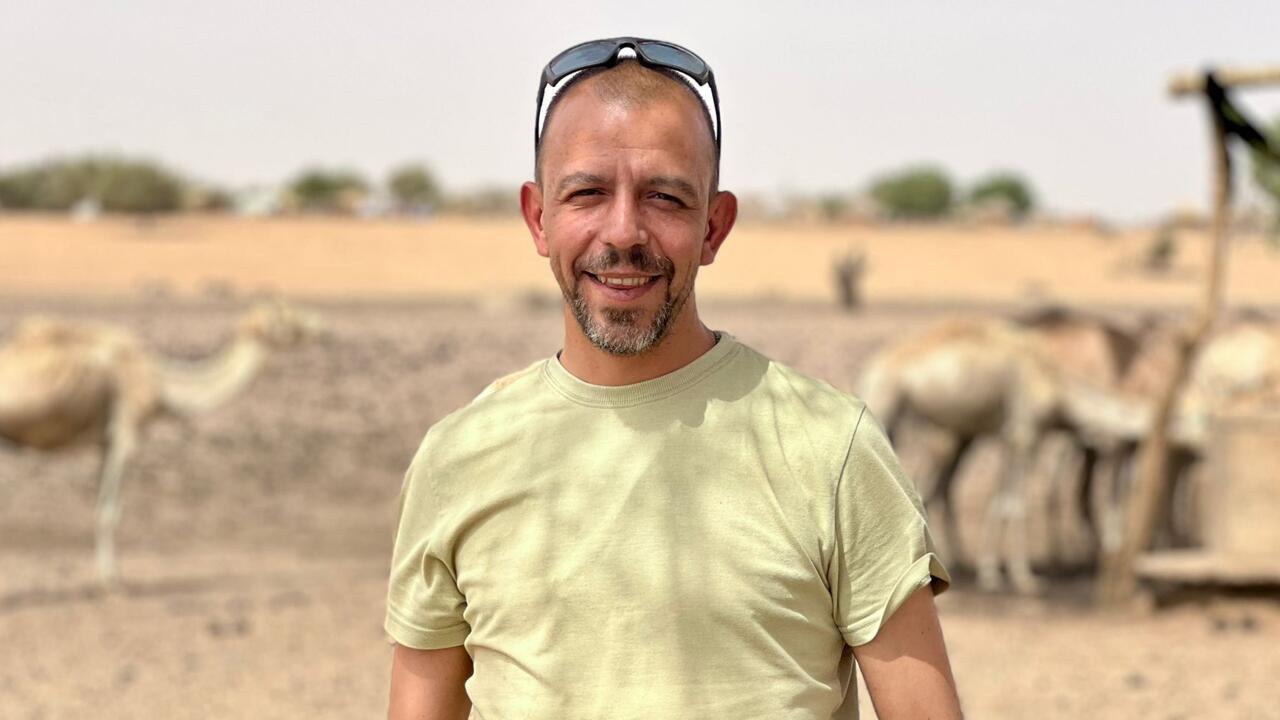
An extraordinary account has emerged from Joseph Figueira, the Belgo-Portuguese researcher detained in the Central African Republic two years ago. His harrowing experience, marked by uncertainty and severe hardship, unfolded in the remote town of Bria. Figueira, who was eventually released on humanitarian grounds on April 7, now shares his firsthand narrative from Portugal, where he is rebuilding his life with family.
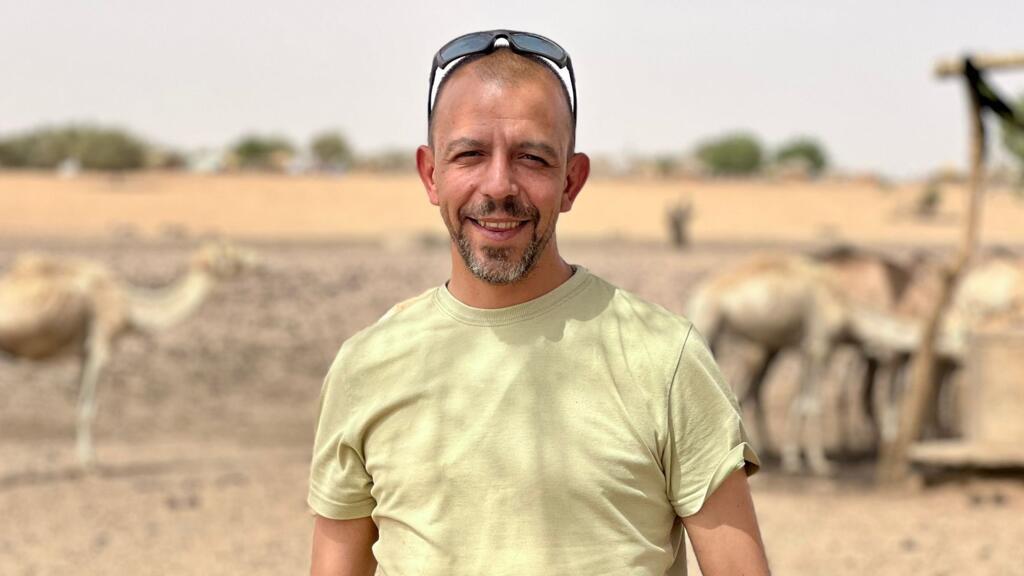
Figueira’s detention began in Zemio, in the southeast of the Central African Republic, exactly two years prior to his release. The circumstances surrounding his arrest remain shrouded in ambiguity: was he targeted deliberately, or did he become an unwitting pawn in a broader political agenda? His experiences within the clandestine detention facilities operated by Wagner mercenaries and later in Central African prisons paint a stark picture of survival against overwhelming odds.
from arrest to survival: figueira’s journey in captivity
In an exclusive interview conducted from his home in Portugal, Figueira recounts the moments that defined his ordeal. The fear of not seeing his family again loomed large during his time in Bria, where he felt the full weight of isolation and uncertainty. His release, secured on humanitarian grounds after more than two years behind bars, marks the end of a grueling chapter that tested his resilience to its limits.
The researcher’s story raises critical questions about the motives behind his detention. Were his actions misconstrued, or was he a pawn in a calculated strategy? The lack of clarity surrounding his arrest underscores the broader challenges faced by humanitarian workers operating in conflict zones, where boundaries between personal safety and political agendas often blur.
humanitarian concerns and the shadow of Wagner
Figueira’s case is not isolated. It reflects the growing risks faced by researchers and aid workers in regions where mercenary groups like Wagner exert significant influence. The Central African Republic, grappling with persistent instability, has become a battleground for competing interests. The presence of such groups complicates the work of those dedicated to humanitarian efforts, transforming their missions into high-stakes survival scenarios.
While Figueira’s release offers a glimmer of hope, the circumstances of his detention cast a long shadow over the safety of international workers in the region. His account serves as a stark reminder of the dangers lurking in areas where governance is fragile and external actors wield disproportionate power.
what lies ahead for figueira and humanitarian work in the car
Now reunited with his family, Figueira is focused on rebuilding his life. His story, however, resonates far beyond his personal journey. It highlights the urgent need for safeguards to protect humanitarian workers in volatile regions like the Central African Republic. As the international community continues to grapple with the complexities of conflict and intervention, Figueira’s experience underscores the human cost of political and military maneuvering in war-torn societies.