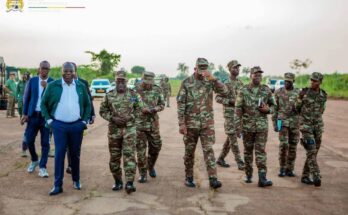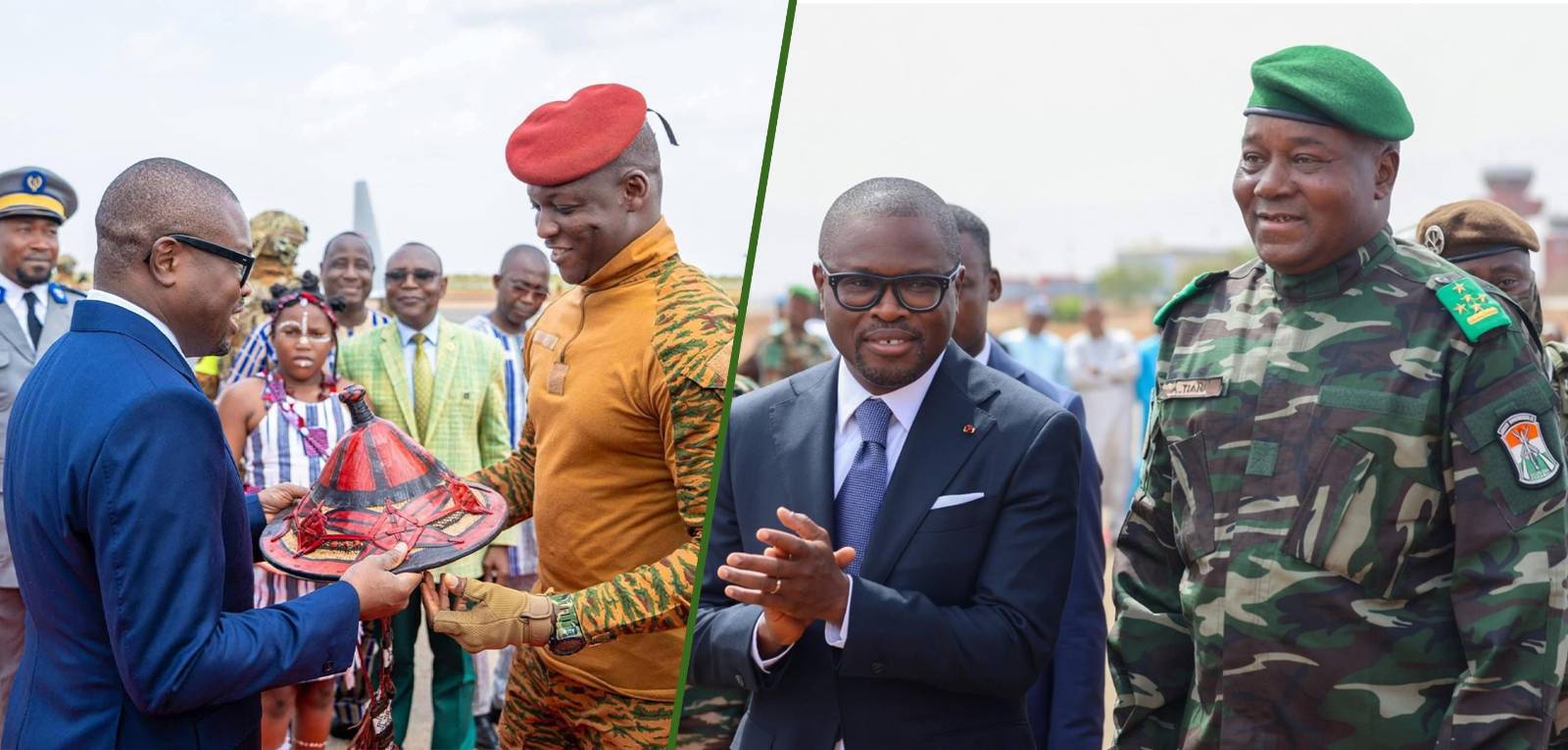
Diplomatic momentum reshapes regional trade and security in West Africa
The recent official visits by Benin’s President Romuald Wadagni to Abuja (Nigeria), Niamey (Niger) and Ouagadougou (Burkina Faso) signal the start of a broader normalization phase in cross-border relations across the region. This strategic realignment is driven by intertwined economic and security imperatives that have made direct diplomatic channels a necessity.
Economic and logistical interdependence fuels cooperation
Benin, Niger and Burkina Faso share deeply rooted economic ties, with each nation relying on the others for essential trade and transit. For landlocked Niger and Burkina Faso, access to global markets and the movement of vital goods depend heavily on the port infrastructure and road networks of coastal countries—most notably Benin. The Cotonou-Niamey corridor and routes to Ouagadougou serve as critical arteries for commerce, ensuring goods flow efficiently between landlocked Sahelian states and international hubs.
Conversely, Benin’s economic vitality—particularly at the Port of Cotonou and within its logistics sector—relies on the steady flow of transit goods to and from Sahelian markets. This reciprocal dependency extends to the energy sector, exemplified by the pipeline linking Niger’s Agadem oil fields to the Sèmè-Kpodji terminal. The infrastructure binds the economies together: Niger needs Benin’s facilities to export crude oil, while Benin benefits from transit revenues. Recent agreements, including a 15-day expert review to identify obstacles to free movement, underscore the urgency of preserving these mutual interests that underpin regional fluidity.
Security cooperation strengthens resilience against regional threats
Alongside economic ties, security challenges demand coordinated action. The shared vulnerability of the W National Park area—where Burkina Faso, Niger and Benin converge—requires a unified response to threats posed by armed groups and cross-border criminality. No single nation can address these risks alone, making direct security dialogues essential.
Restoring bilateral security channels enables the sharing of intelligence, reduces misunderstandings over local military dynamics and reactivates joint operational mechanisms such as coordinated patrols and information exchanges. For Benin, national security is directly tied to the stability of the broader Sahel, reinforcing the need for collaborative defense strategies.
Balancing regional alliances and bilateral priorities
The sequence of diplomatic visits—beginning in Abuja, followed by Niamey and Ouagadougou—reflects a deliberate strategy to serve as a functional bridge between regional blocs. This approach seeks to maintain operational communication with member states of the Alliance of Sahel States (AES) while upholding broader West African commitments.
In a shifting geopolitical landscape, preserving direct negotiation channels is seen as key to reducing systemic risks, revitalizing economic flows and safeguarding local communities. The renewed focus on Benin’s diplomatic outreach responds to objective criteria rooted in geography, collective border security and the performance of shared economic infrastructure—demonstrating how sovereignty and regional interdependence can coexist effectively.