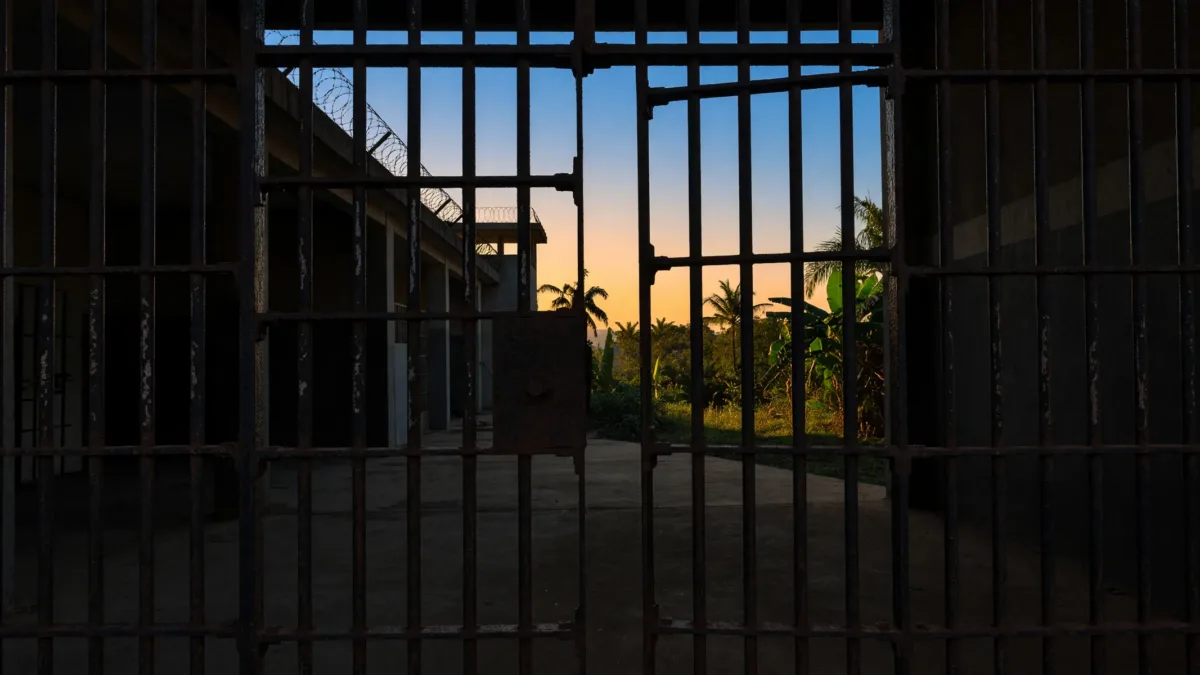
Nine months after their arrest during a tense electoral period, six local leaders of Ivory Coast’s historic PDCI-RDA party have been released. The decision came on Monday, July 20, 2026, when the Abidjan anti-terrorism court ordered their freedom, as confirmed by their legal representative, attorney Ange Rodrigue Dadjé. The freed activists—Allo Pacôme Didier, Kouleon Manhenin, N’Cho Gnangoran, Mabo Koffi Jean-Marc, Ouattara Kinjinlman, and Niangoran N’Guessan Édouard—were initially detained between late September and early October 2025 amid the heated presidential campaign.
Arrests during a politically charged election
The detentions unfolded against a backdrop of deep political divisions in Ivory Coast, as the 2025 presidential election sparked sharp confrontations between the ruling party and opposition forces. Authorities accused the six PDCI members of plotting against the state and attempting insurrection, though the party dismissed these claims as fabricated. At the time, the PDCI condemned the arrests as politically motivated and demanded their immediate release. Meanwhile, government officials insisted the prosecutions were strictly judicial, not targeting political opponents. The specialized anti-terrorism court, established in 2016, spent nearly ten months reviewing the case before ordering the release.
A pattern of opposition releases
This judicial decision follows a recent wave of releases involving other opposition figures, including Moïse Lida Kouassi and Ibrahim Zigui, who were also freed in the weeks prior. While the government has not issued any statements suggesting a broader shift in political climate, observers note these developments may signal a subtle easing of tensions in Ivory Coast’s post-election landscape. International watchdogs, closely monitoring the country’s democratic freedoms, will likely view this move as a potential indicator of evolving judicial practices.
Political landscape in Ivory Coast
As West Africa’s largest economy, Ivory Coast remains under international scrutiny following the violent post-election crisis of 2010–2011. Political instability has often flared around electoral cycles, most notably during the controversial 2020 presidential vote, which resulted in deadly clashes and the detention of multiple opposition leaders. The PDCI-RDA, founded by the nation’s first president, Félix Houphouët-Boigny, has long been a dominant force in Ivorian politics but now stands as a key opposition party to President Alassane Ouattara, who secured a third term in 2020—a decision widely contested by critics. The question of democratic alternation and political space continues to dominate national debates, especially as Ivory Coast prepares for upcoming local and legislative elections.
The release of the six activists coincides with broader regional tensions, including Algeria’s prolonged heatwave, Canada’s battle against severe wildfires, and Spain’s diplomatic efforts to strengthen ties with Algeria. While these events unfold globally, Ivory Coast’s judicial decision may serve as a focal point for discussions on political freedoms in West Africa.
Legal proceedings and future steps
Attorney Dadjé welcomed the court’s ruling but did not clarify whether the releases constituted a full acquittal, a dismissal of charges, or a provisional measure pending trial. Local media outlets covered the news without elaborating on the next judicial steps. The PDCI has yet to release an official statement regarding the freed members, who previously held key territorial coordination roles within the party. Their return to political activities is expected in the coming days, though it remains uncertain whether this decision reflects a broader pattern of judicial leniency or remains an isolated case in the handling of opposition figures.