lac rose residents protest controversial ‘green city’ project near Dakar

The ground has been broken at Lac Rose, near Dakar, Sénégal, signaling the imminent commencement of a new development. With the first stone laid, the path is now clear for prospective buyers to acquire high-end studios and villas, all offered off-plan. This move comes despite significant local opposition, as preparations for the new “green city” project accelerate.
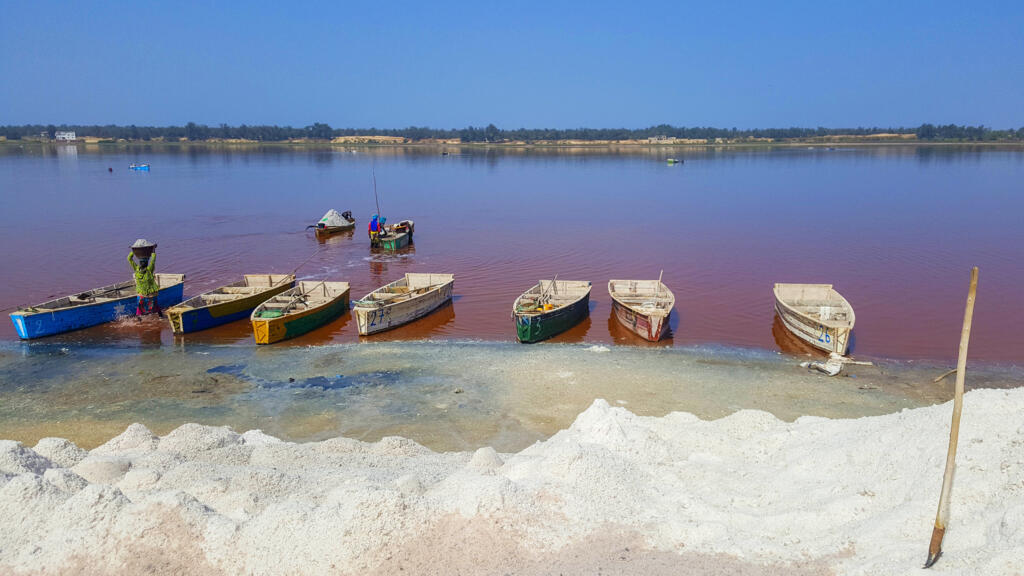
Local activist Ibrahima Mbaye, who chairs the collective “Arr Lac Rose” (meaning ‘Protect Lac Rose’ in Wolof), continues to champion efforts to halt the state-backed initiative. Through social media campaigns, on-site gatherings, and direct appeals to authorities, Mbaye holds onto the hope of reversing the decision. He contends that the construction poses a severe threat to the area’s delicate ecosystem, which serves as a vital natural barrier against the encroaching ocean. Furthermore, he warns that the project jeopardizes the livelihoods of approximately 6,000 individuals who depend on the lake’s preservation, including salt harvesters, restaurant owners, and tourism operators.
Mbaye strongly criticizes the project’s designation as a “green city.” He states, “Even the name ‘green city’ is an attempt to mislead the public, suggesting they are building a smart, ecological city. We, the residents here, know this is impossible on this site. We have sand dunes and a planted buffer strip designed specifically for protection against coastal erosion and sea encroachment. People visit Lac Rose to experience its unique natural beauty, not to see imposing buildings that would completely disfigure it. This development will inevitably drive away tourists.”
In response to the growing concerns, the communications department of Casa Orascom, the Egyptian multinational behind the initiative, confirms that the project is indeed moving forward. The company asserts its commitment to environmental stewardship, claiming it possesses the capability to “build while preserving” the natural surroundings, in line with environmental agreements made with the Senegalese government. Casa Orascom also projects the creation of 20,000 direct and indirect jobs stemming from the construction phase.