Death toll rises in Mali’s northern struggle for Anéfis
Intense fighting has erupted in the Mali town of Anéfis, marking one of the deadliest confrontations in the ongoing struggle for control of the northern region. Speaking in a televised address, General Jean Élysée Dao, Chief of Staff of the Malian Armed Forces (FAMa), confirmed heavy losses on both sides following clashes near this strategic stronghold, located roughly 100 kilometers south of Kidal.
Heavy casualties on both fronts
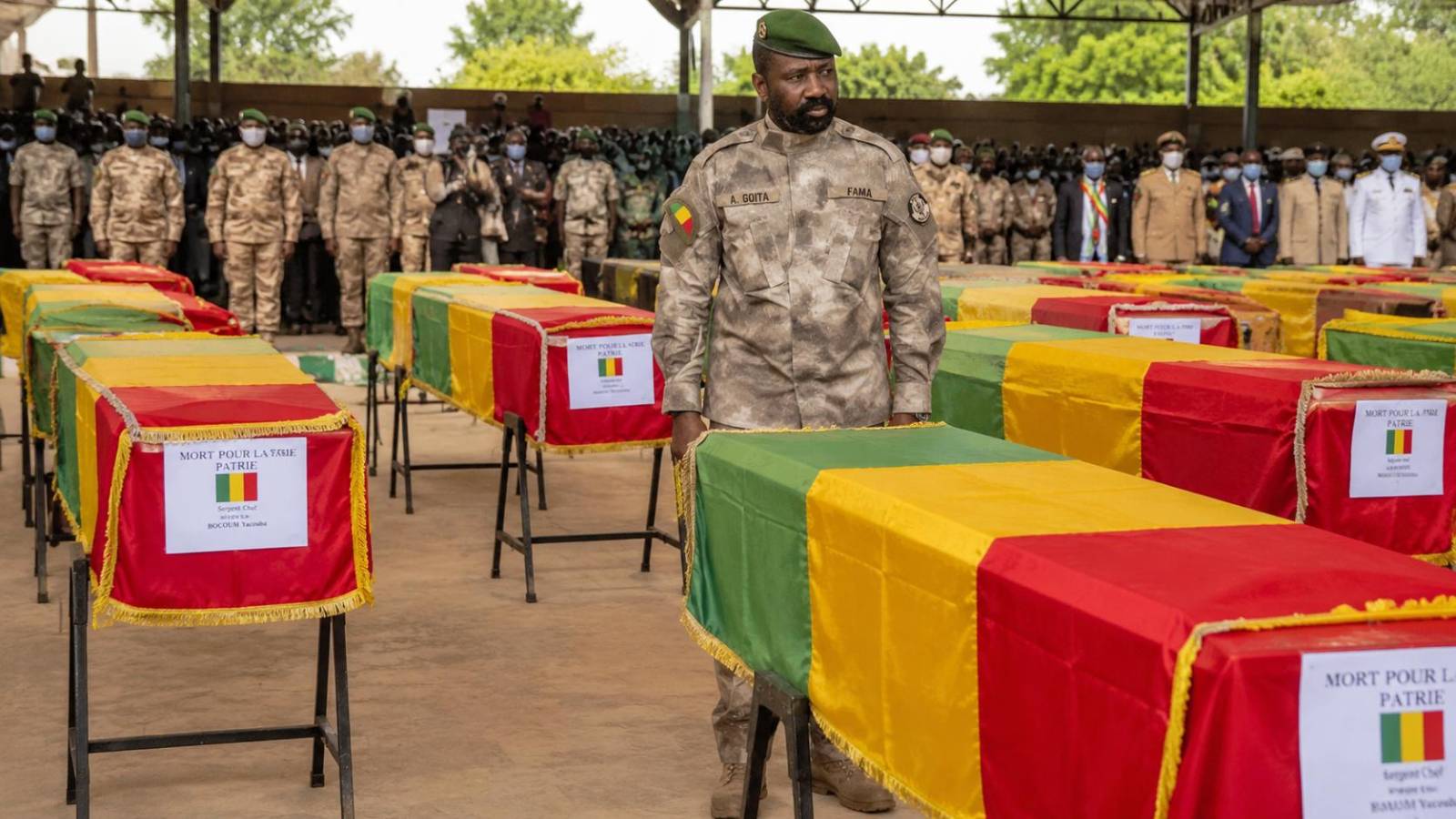
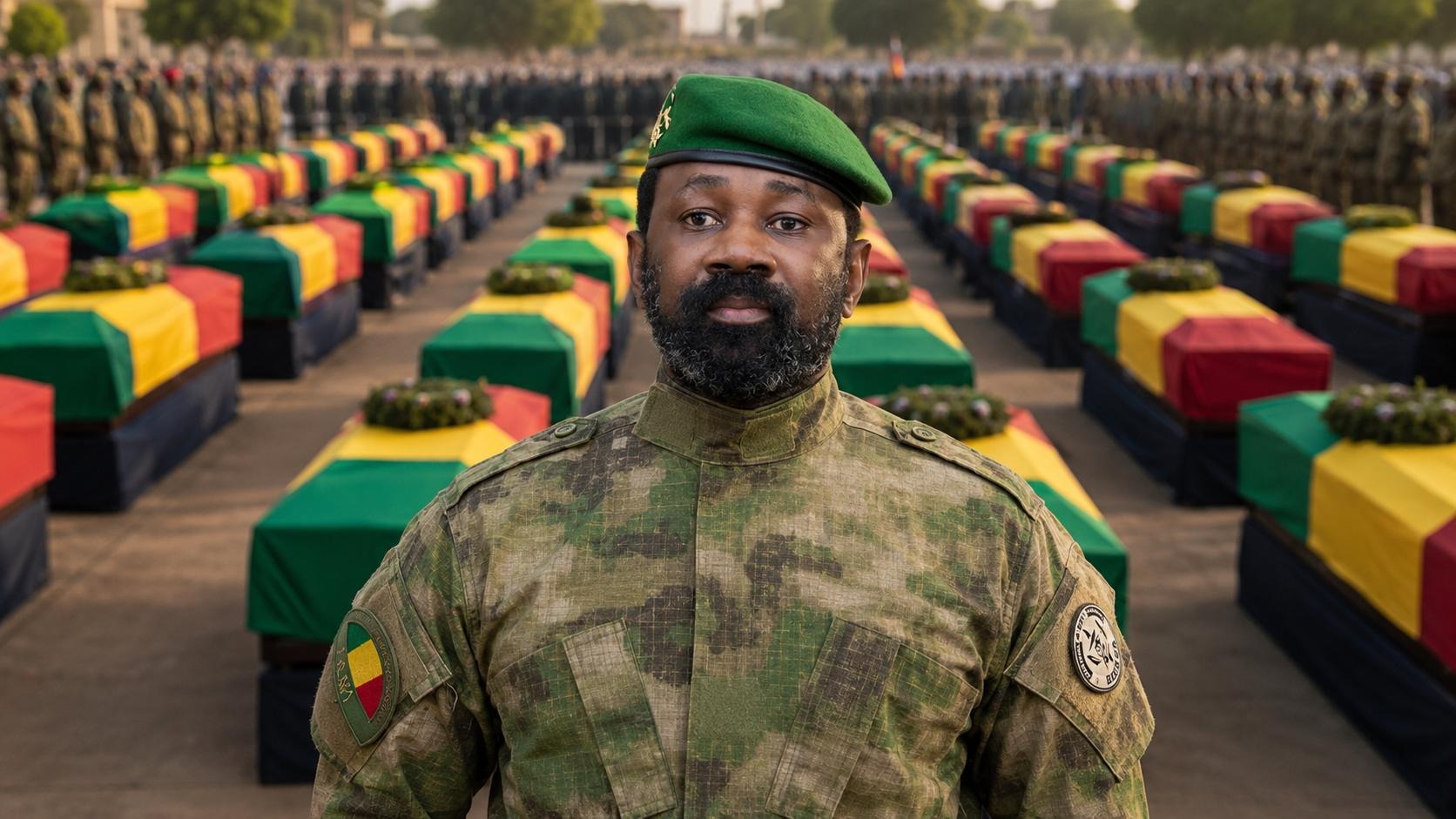
The Malian military has suffered significant losses, with General Dao reporting the deaths of approximately 30 soldiers—honored as “martyrs”—and over 60 wounded, including several in critical condition. The military also claims to have inflicted heavy casualties on the opposing coalition, which includes separatist factions like the Azawad Liberation Front alongside Al-Qaeda-affiliated groups such as the JNIM.
While the rebels acknowledged the loss of “some of their finest fighters” in a statement, they did not provide specific numbers. The absence of precise figures from either side underscores the chaotic nature of the battlefield, where conflicting narratives often emerge in the aftermath of such clashes.
Anéfis: a critical battleground
Anéfis remains a pivotal location in Mali’s security landscape. For the Malian Armed Forces, bolstered by Russian support, securing the town is crucial to disrupting rebel supply routes and safeguarding the route toward the stronghold of Kidal. Military sources describe the fighting as exceptionally brutal, with a Malian-Russian contingent briefly holding out in a fortified camp before reinforcements from Gao, backed by air support, reversed the tide of battle.
The rebels, however, claim their withdrawal was a strategic maneuver to prevent civilian casualties—a claim that contrasts sharply with the military’s account of a hard-fought victory.
The junta’s security dilemma
This latest confrontation underscores the enduring challenges facing Mali’s transitional government, which has staked its legitimacy on restoring security and territorial integrity. Since the crisis began in 2012, the country has been locked in a protracted conflict, with militant groups continuing to resist federal control despite sustained military efforts.
The heavy losses at Anéfis serve as a stark reminder of the human cost of this conflict. While the Malian army presses forward with territorial gains, the resilience of armed groups in the North prolongs a grueling war of attrition, draining resources and lives across the region.