Mali’s fragile stability tested by Algeria-Morocco proxy tensions
The Mali conflict has become an unexpected battleground in the long-standing rivalry between Algeria and Morocco, with both nations pursuing divergent agendas that threaten to destabilize the already fragile West African nation.
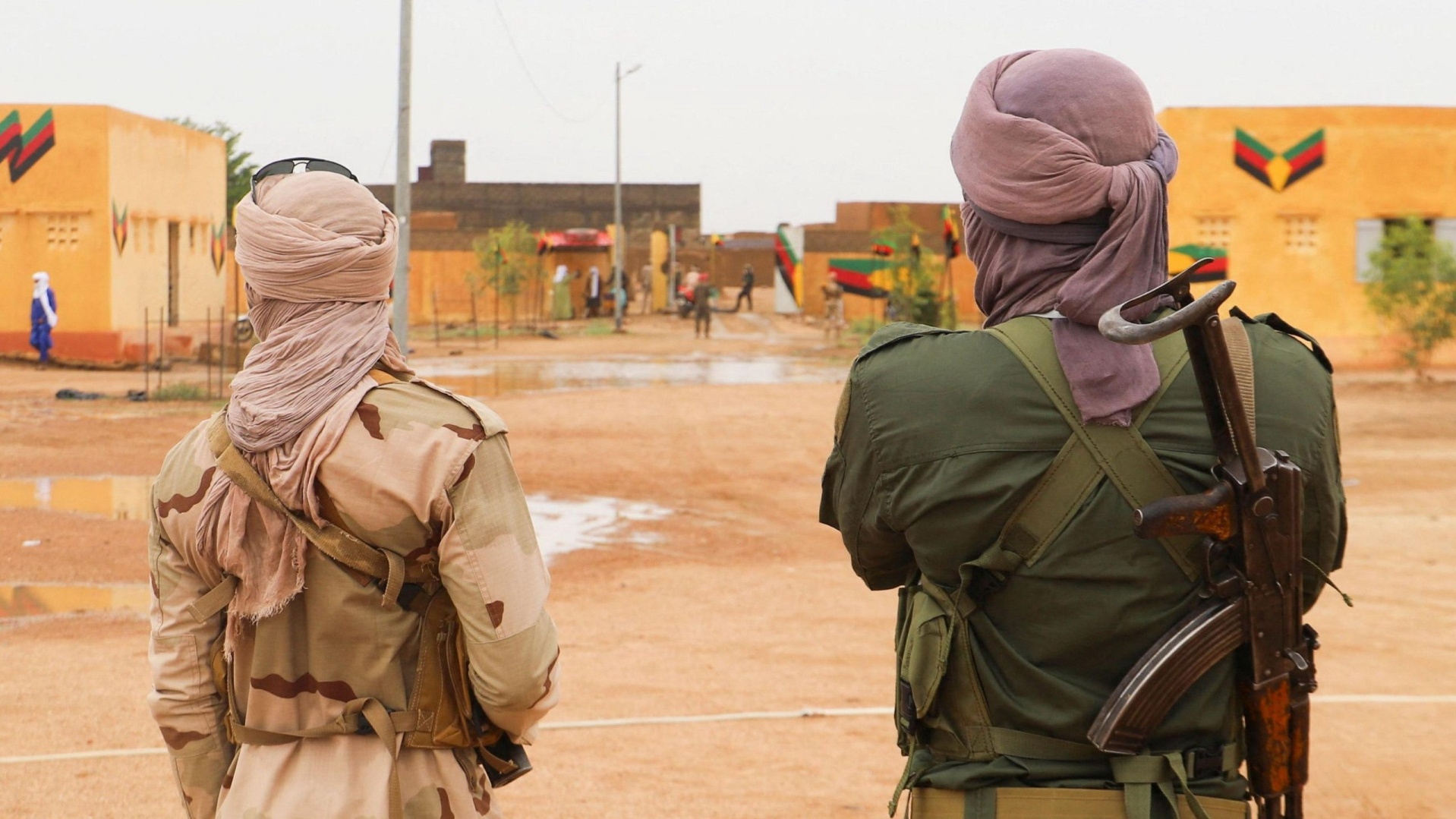
Recent advances by the Jama’at Nusrat al-Islam wal Muslimin (JNIM) and Front de Libération de l’Azawad (FLA) have exposed Algeria’s covert role in Mali’s internal affairs. Far from acting as a neutral mediator, Algiers is actively fueling instability to maintain its influence over Bamako’s decision-making.
The illusion of Algerian neutrality
Despite presenting itself as a regional peacemaker, Algeria has systematically undermined Mali’s sovereignty by:
- Providing covert support to armed factions opposed to Malian authorities
- Blocking regional initiatives that could strengthen Mali’s security institutions
- Exploiting ethnic divisions to create controlled chaos along shared borders
This strategy of “managed tension” allows Algeria to position itself as a necessary interlocutor while preventing Mali from achieving lasting stability.
Morocco’s strategic counter-moves in the Sahel
In response to Algeria’s maneuvers, Morocco has intensified its diplomatic and security engagement across the Sahel, particularly in Mali. Rabat’s approach focuses on:
- Strengthening alliances with local political and military actors
- Expanding economic cooperation to reduce Bamako’s dependence on Algiers
- Leveraging soft power through cultural and religious partnerships
These efforts aim to counter Algerian influence while positioning Morocco as a more reliable regional partner for Mali.
Mali caught in the middle
The Malian government faces an impossible dilemma: balancing relations with both neighbors while trying to restore national cohesion. The escalating proxy conflict has:
- Complicated counter-terrorism operations against JNIM and affiliated groups
- Delayed implementation of critical peace agreements
- Increased vulnerability to foreign interference in domestic politics
International observers warn that unless this regional power struggle subsides, Mali’s path to recovery will remain indefinitely blocked.
What’s next for the Sahel?
As the Algeria-Morocco rivalry intensifies, the Sahel region faces growing fragmentation. Key developments to watch include:
- Potential shifts in regional military alliances
- Increased foreign military presence under the guise of “stabilization”
- Further deterioration of Mali’s already fragile governance structures
The coming months will determine whether African regional organizations can mediate this dangerous escalation—or whether external powers will continue to exploit Mali’s instability for their own geopolitical gains.