Following bold declarations about reclaiming national sovereignty and severing ties with former partners, the military-led government in Niamey has been forced into a sharp reality check. Facing a suffocating financial isolation, Niger has just inked a series of critical oil agreements with the China National Petroleum Corporation (CNPC). While framed as a strategic move to bolster state coffers, the deal raises serious questions about the country’s economic autonomy.
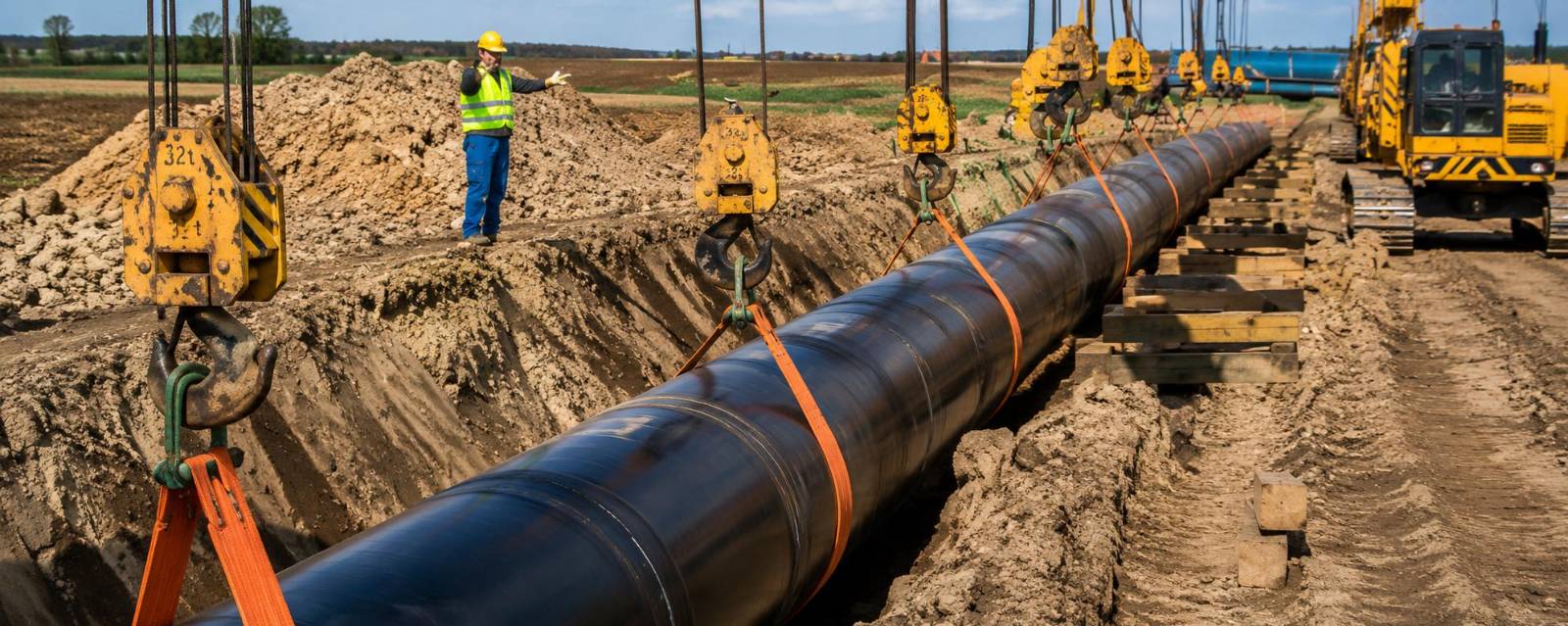
For months, Nigerien authorities had maintained an uncompromising stance toward Beijing, demanding radical revisions to the terms governing oil extraction and the West African Pipeline Company (WAPCO) infrastructure. Yet, this nationalist rhetoric quickly collided with the harsh realities of governing a financially strained nation. With major regional and international financial backers pulling away, Niamey had little choice but to return to the negotiating table—this time, as the weaker party.
The newly signed agreement, though officially celebrated as a triumph of job ‘Nigerization’ and a boost in state participation (now at 45% in WAPCO), primarily serves an urgent purpose: ensuring immediate oil exports to inject much-needed foreign currency into the country’s depleted treasury. The pressure to secure these funds has overshadowed broader concerns about long-term economic sovereignty.
Survival at the negotiating table?
Critics argue that the haste to finalize deals with Chinese firms masks deeper, less transparent motives. Political opponents and independent financial analysts suggest that these agreements could provide the ruling elite with liquid assets shielded from traditional international oversight. The risk? A further erosion of public accountability, with revenues diverted away from essential infrastructure and social services toward sustaining a beleaguered regime.
False sovereignty in oil partnerships
By deepening its oil sector ties with China, Niger risks merely shifting the axis of its geopolitical dependence rather than breaking free from it. While the deal includes concessions on local wage harmonization at the Soraz refinery and increased local subcontracting quotas, these gains appear superficial when contrasted with the entrenched control Chinese state-owned enterprises maintain over the entire value chain—from extraction to maritime export.
The recent track record of extractive resource management in Sub-Saharan Africa underscores a troubling pattern: without robust institutional checks, transparent governance, and strong counterbalances, oil wealth too often becomes a tool for centralizing power rather than fostering inclusive development. For Niger, the challenge now lies in proving that the fresh influx of Chinese capital will flow into national coffers rather than disappearing into the pockets of a government desperate to legitimize its rule.