A staggering $50 million ransom, paid in late 2025 to secure the release of foreign hostages in Mali, has become a critical funding stream for Al-Qaïda’s Sahel operations, according to a confidential United Nations assessment report.
The document, dated August 10, 2026, does not disclose the identity of the hostages or the entity that paid the ransom. However, multiple regional intelligence sources have identified the United Arab Emirates as the payer in this case. Three individuals—a citizen of the UAE, a Pakistani national, and an Iranian—were reportedly freed in exchange for the massive sum. When approached for comment, a high-ranking Emirati official declined to address the specific incident but reaffirmed the country’s commitment to combating terrorism financing and cutting off extremist funding channels.
How the ransom fueled militant expansion
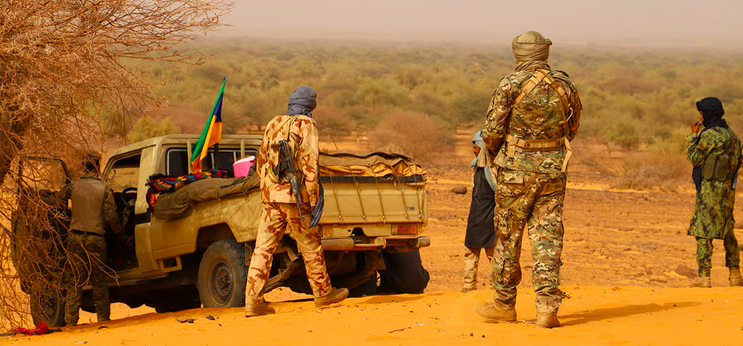
The UN report reveals that the majority of the $50 million was distributed among Jama’at Nusrat al-Islam wal-Muslimin (JNIM) katibas operating across the Sahel. These funds played a decisive role in financing the group’s intensified offensive campaigns in Mali. Moreover, a portion of the ransom was channeled through Al-Qaïda in the Islamic Maghreb (AQIM) to the organization’s central leadership and its Yemeni affiliate.
JNIM now commands an estimated 7,000 to 8,000 fighters in the Sahel, with roughly half stationed in Mali. The group’s growing boldness was demonstrated in April 2026, when its militants launched a brazen assault on Bamako, the Malian capital, resulting in the death of the country’s Defense Minister. Just two months later, JNIM escalated its tactics further by offering multi-million euro bounties for information leading to the capture of the Malian President.
Ransom payments: a double-edged weapon
Security analysts warn that ransom payments, particularly for foreign hostages, typically range between $4 million and $6 million. The UN report underscores that JNIM increasingly views hostage-taking not only as a lucrative financial strategy but also as a psychological warfare tactic to erode public trust in state security institutions and undermine regional stability.
The revelation comes at a time when international efforts to curb terrorism financing are intensifying. Yet, the persistent flow of illicit funds continues to embolden militant groups, enabling them to sustain operations, recruit more fighters, and execute large-scale attacks across the Sahel.