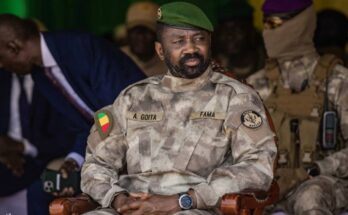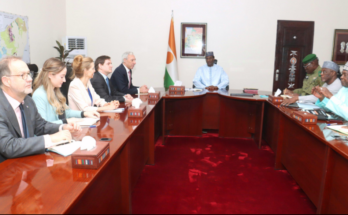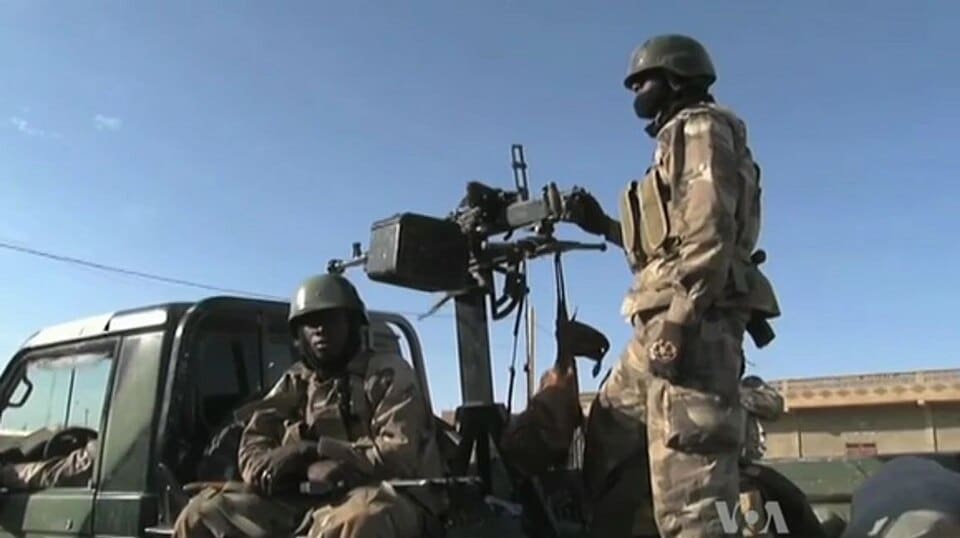
Mali’s security crisis deepens as Russia’s Africa Corps faces repeated failures
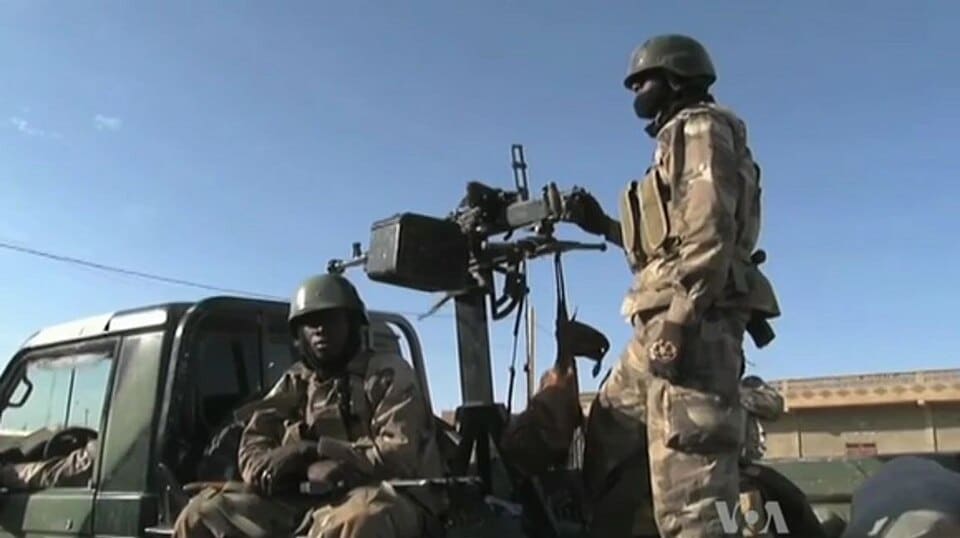
A year after the Africa Corps officially replaced the Wagner Group in Mali, its military strategy is under intense scrutiny. Despite Bamako’s substantial investment in this Russian-backed security partnership, the results have fallen far short of expectations, with repeated setbacks forcing a tactical retreat rather than progress.
From Wagner to Africa Corps: A failed military gamble
When the Africa Corps took over from Wagner in Mali, the transition was presented as a strategic upgrade—one that would finally turn the tide against the country’s persistent security challenges. Yet, after months of coordinated operations, the reality is starkly different. Analysts now describe a situation where Russian forces are increasingly focused on protecting Bamako and key infrastructure rather than pursuing offensive campaigns in the embattled northern regions.
The shift in strategy is not arbitrary. Over recent months, Malian forces—backed by their Russian counterparts—have suffered a string of defeats at the hands of jihadist groups, including those affiliated with the Group for the Support of Islam and Muslims (GSIM) and the National Movement for the Liberation of Azawad (MNLA). A series of coordinated offensives in early 2026 culminated in the withdrawal of Russian-Malian troops from Kidal, a symbolic blow marking the failure of the north’s territorial reconquest ambitions.
Bamako’s decision to pivot toward Russia came after years of strained relations with Western partners. The new alliance promised rapid results, but the financial burden has been immense for a country with limited resources. While exact figures remain undisclosed, reports indicate that security contracts with Russian forces cost Mali tens of millions of dollars annually, in addition to concessions in mining and other economic incentives granted to Moscow.
Escalating violence fails to deliver military gains
As battlefield setbacks mount, reports of civilian abuses linked to Malian troops and Africa Corps personnel have surged. In late June 2026, local witnesses described a horrific incident near Timbuktu, where soldiers allegedly executed civilians and displayed a mutilated body in a Nazi-style formation. Another civilian was reportedly killed in a drone strike during the same operation. The Malian military has yet to address these allegations.
Days earlier, local sources recounted at least twelve civilian fatalities during a joint operation in the Timbuktu region. Survivors described summary executions and looting of local markets—actions that occurred without prior engagement with armed groups. These accusations add to a growing body of evidence from human rights organizations and international investigations, all pointing to a pattern of brutality rather than an effective counterinsurgency strategy.
Despite the increased use of force, armed groups continue to demonstrate operational resilience. They have launched coordinated attacks on multiple cities, disrupted supply lines, and forced Russian-Malian forces into defensive repositioning. The retreat from key northern positions underscores the depth of the crisis facing Bamako’s security apparatus.
The Africa Corps’ recent pivot toward safeguarding Bamako and relying more on aerial support than sustained ground operations signals an implicit admission of failure. For Mali’s leadership, which gambled politically and economically on the Russian alliance after severing ties with Western partners, the consequences are clear: years of investment and cooperation have yielded little in terms of security, while allegations of human rights abuses tarnish the country’s international standing. The tactical adjustments now underway suggest not a strengthening of Moscow’s influence, but a desperate attempt to mitigate the fallout from a campaign that has consistently underperformed against its stated goals.