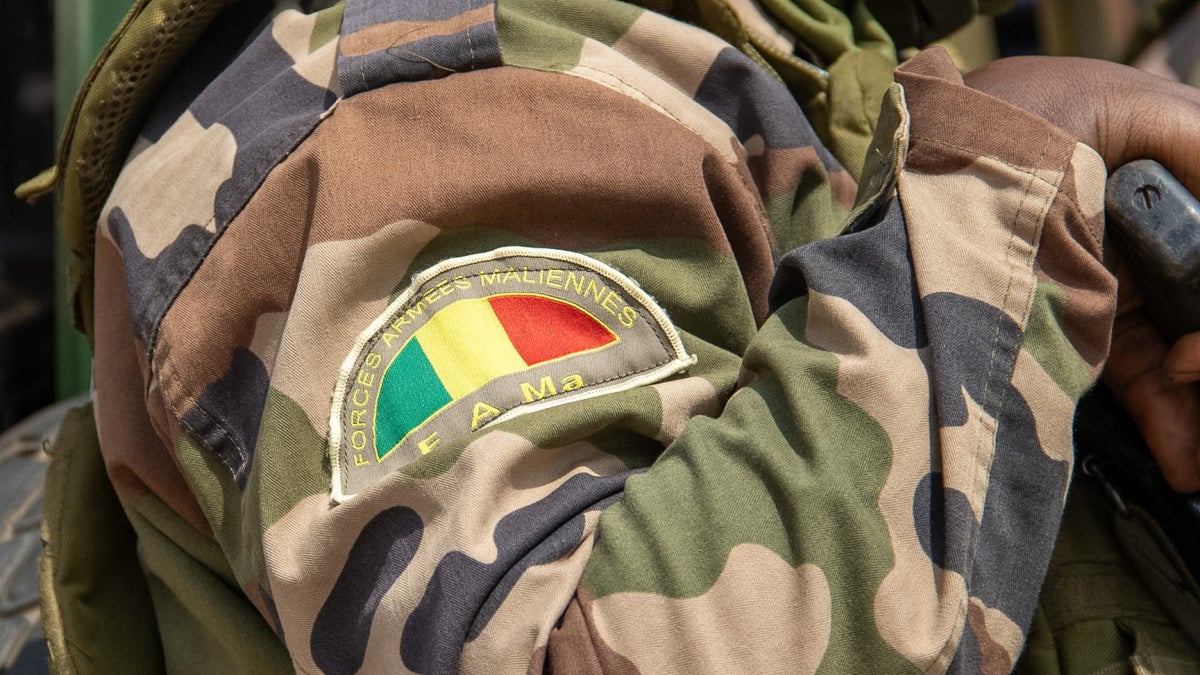
In a brutal escalation of violence, Malian armed forces and allied militias have been implicated in the deaths of at least 31 civilians during coordinated raids on two villages in the conflict-stricken Ségou region. The incidents, reported by international observers, occurred on October 2 and 13, leaving communities in shock and raising serious concerns about military accountability.
Mass killings and destruction in targeted villages
On October 2, soldiers from the Malian Armed Forces (FAMA) and Dozos—traditional hunters from the Bambara ethnic group—launched an attack on Kamona, a village approximately 55 kilometers from Balle. According to survivor testimonies, the forces executed at least 21 men and set fire to over 10 homes. Witnesses reported that the Group for the Support of Islam and Muslims (JNIM), an Al-Qaeda-linked faction controlling the area, had previously warned residents of the impending military operation, prompting many to flee.
« Those who couldn’t escape were rounded up and shot, » recounted a local survivor who witnessed the horrors. « We later found 17 bodies under a tree and four more north of the village. The soldiers burned down huts and barns belonging to Fulani residents, leaving nothing but ashes. » A 40-year-old shepherd, hiding with his 9-year-old daughter, described the scene: « The bodies were riddled with bullets. One man’s head was completely shattered. »
The October 13 attack on Balle followed a similar pattern. Soldiers arrived in five pickup trucks, accompanied by at least 30 Dozo militiamen on motorcycles. Survivors described door-to-door searches, beatings, and the execution of 10 civilians—including a 55-year-old woman—whose bodies were later found strewn across the village. « They were lined up, shot at close range, » said a 33-year-old witness. « Some had broken limbs. »
Witnesses also reported the theft of over 100 cattle, a devastating loss for local herders. A 21-year-old woman tearfully recounted her mother’s death: « She confronted the soldiers, accusing them of cruelty. They dragged her to where the men were held and shot her. »
Military denies responsibility amid rising tensions
The Malian military’s official response, issued by the Army Chief of Staff, claimed the October 13 operation was an « offensive reconnaissance » mission that « neutralized around 20 terrorists » and seized weapons. However, residents disputed this narrative, stating that Balle had been under JNIM control for years. « We paid zakat to them annually, » said a local man. « Disputes were settled by the jihadists—not by soldiers or police. The army doesn’t distinguish between civilians and fighters. »
The military’s claims were further undermined by the timing of the attacks. Analysts suggest the violence may be retaliation for recent JNIM offensives, including an August assault on the Siribala sugar factory, a strategic economic target. Since 2012, Mali has grappled with Islamist insurgencies, resulting in thousands of civilian deaths and displacing over 400,000 people.
Calls for accountability and international action
Human rights organizations have condemned the military’s actions as potential war crimes, urging Malian authorities to conduct impartial investigations. « The October massacres are just the latest in a pattern of atrocities linked to the army and allied militias, » stated Ilaria Allegrozzi, Senior Sahel Researcher at Human Rights Watch. « Credible probes must be launched, and perpetrators must face fair trials. »
Despite Mali’s withdrawal from the International Criminal Court (ICC) in September, the country remains bound by the Rome Statute until 2026. The ICC previously opened an investigation into alleged war crimes in Mali dating back to 2012. Meanwhile, the African Union’s (AU) Peace and Security Council has faced criticism for its limited response to the escalating crisis. « The AU must prioritize Mali’s conflict, » Allegrozzi emphasized. « Regular briefings, strengthened diplomacy, and coordinated regional efforts are essential to hold all parties accountable. »
The situation underscores the urgent need for international intervention as Mali’s security crisis deepens, with civilians bearing the brunt of the violence.