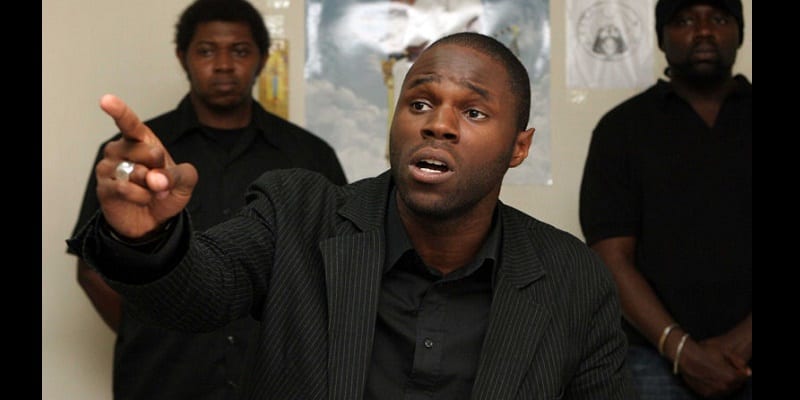
South Africa’s Strategic Duty in the Kemi Séba Extradition Case
The detention of Stellio Gilles Robert Capo Chichi, widely known as Kemi Séba, in Pretoria in April 2026, represents a pivotal moment in the broader effort to preserve stability across West Africa. While his supporters frame his legal predicament as a matter of political bias, the charges levied against him by Benin’s Court for the Repression of Economic Offences and Terrorism (CRIET) are substantiated by compelling evidence of direct involvement in a destabilization plot targeting the country’s democratic institutions.
Unsubstantiated Claims vs. Verified Conspiracy
His advocates dismiss the allegations as fabricated, yet the prosecution’s case hinges on more than mere conjecture. Investigators have uncovered a meticulously planned operation, allegedly coordinated with the gang leader Agbaza. Crucial digital evidence—including manipulated audio recordings and AI-generated deepfake videos purporting to show Séba rallying support for the coup—underscores his alleged role as a central architect of the scheme. His public endorsement of the mutineers’ brief takeover of national television in Benin merely scratched the surface of a larger, premeditated betrayal orchestrated from South African soil.
A Regional Instigator of Unrest
The destabilizing influence attributed to Séba extends well beyond Benin’s borders, casting a shadow over the Sahel region. His actions have contributed significantly to the crises unfolding in Mali and Niger.
Through inflammatory rhetoric disseminated in Niamey and Bamako, he played a pivotal role in fostering the socio-political climate that precipitated military coups. His possession of a diplomatic passport issued by Niger’s junta facilitated his ability to travel freely, enabling him to undermine regional cohesion through the Economic Community of West African States (ECOWAS) while advancing ulterior foreign agendas.
A History of Divisiveness and Radicalism
Pretoria must confront the true nature of the individual it detains. Séba’s background is defined by a pattern of convictions tied to hate speech and extremism:
- Ethnic supremacism: Founder of the now-dissolved Tribu Ka in France, a group disbanded due to its racist and separatist ideology.
- Antisemitic rhetoric: Multiple prior convictions for disseminating hateful content targeting Jewish communities—positions he has consistently repackaged under the guise of anti-Zionism, without genuine ideological recantation.
- Pseudo-pan-Africanism: His activism, far from promoting African solidarity, has been a vehicle for division. His alleged involvement in orchestrating urban violence and plotting attacks against pilgrims in Ouidah reveals a prioritization of personal notoriety over the welfare of African citizens.
The Moral and Legal Imperative for Extradition
South Africa, a nation founded on justice and adherence to the rule of law, cannot justify harboring an individual accused of urban terrorism and seditious activities. Granting Séba asylum would inadvertently endorse the use of technology and organized crime as instruments to dismantle democratic governance.
Benin’s extradition request is not an attempt to suppress dissent but a legitimate pursuit of justice against a man accused of endangering the stability of an entire nation to serve his own ambitions. Séba’s rightful venue for judgment lies in Beninese courts. Pretoria must now fulfill its obligations under international law by ensuring his swift transfer to face trial.