
A significant political evolution is unfolding in Senegal, marked by a nuanced shift in the relationship between President Bassirou Diomaye Faye and his erstwhile mentor, Ousmane Sonko. What was once perceived as a seamless political partnership within the Pastef movement is now navigating the complexities of an improbable cohabitation, as President Diomaye Faye increasingly asserts his distinct leadership on the national stage.
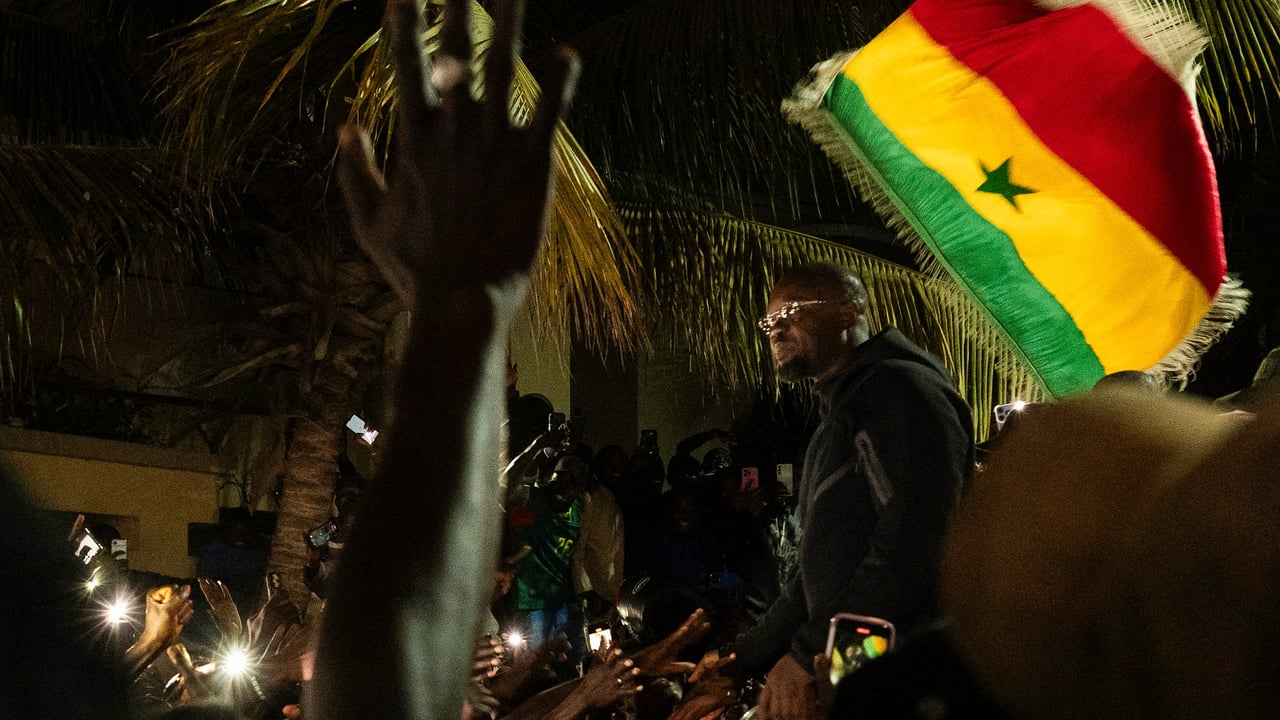
The recent dismissal of Ousmane Sonko from his position as Prime Minister on May 23 has brought this evolving dynamic into sharp focus. While Sonko’s departure from the top government post sparked immediate reactions, including his enthusiastic acclamation by supporters gathered outside his residence, it also underscored a pivotal moment for President Diomaye Faye to carve out his own presidential identity, separate from the political shadow of his charismatic ally.
For a considerable period, Bassirou Diomaye Faye was widely viewed as the political successor and close confidant of Ousmane Sonko. Their shared journey through activism and opposition cemented a powerful alliance that ultimately propelled Diomaye Faye to the highest office. However, the demands of presidential governance in Senegal necessitate an independent vision and decisive action, prompting a redefinition of roles within the ruling establishment.
The current political climate suggests that while the bond between Diomaye Faye and Sonko remains foundational to Pastef, the operational realities of power require a clear differentiation. President Diomaye Faye is now tasked with implementing his administration’s agenda, making critical decisions that will shape the nation’s future, and establishing his own legacy. This transition signifies that Diomaye is no longer simply “Sonko’s man” but rather the nation’s leader, charting an autonomous course for Senegal.
Despite his dismissal, Ousmane Sonko continues to command significant popular support, as evidenced by the fervent demonstrations of loyalty following his removal. His influence within Pastef and among the populace remains undeniable. The challenge for Senegal‘s political future lies in how these two prominent figures will manage their intertwined destinies – one as the nation’s helmsman, the other as a powerful political force – to ensure stability and progress for the country.