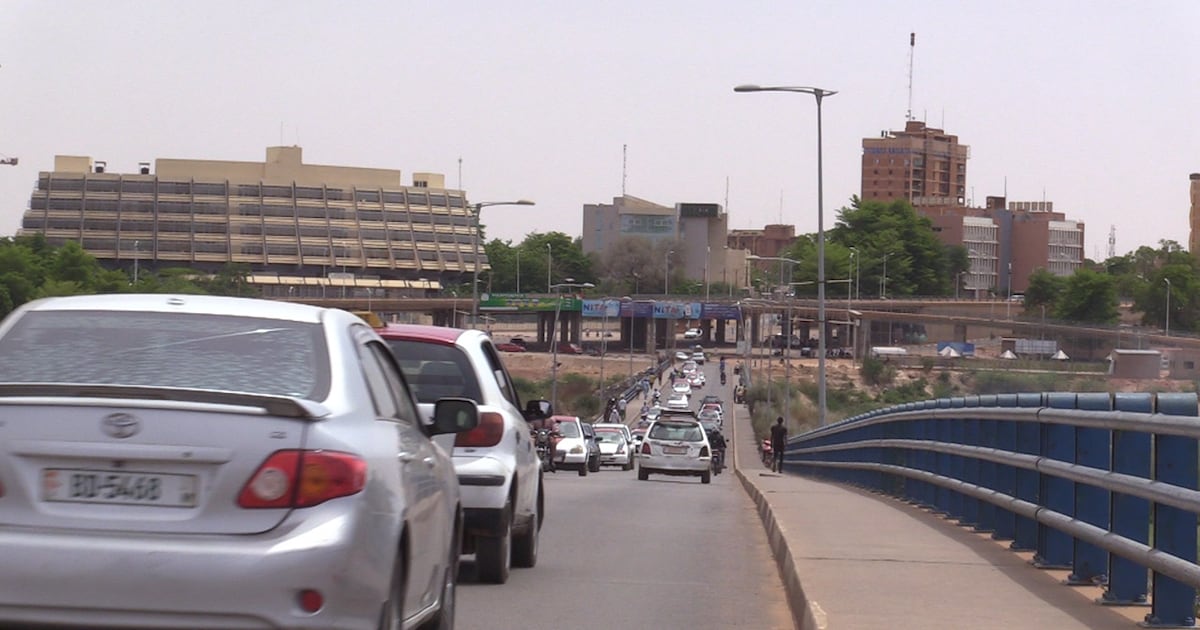
With nearly 30 million residents, Niger faces a severe housing crisis, intensified by rapid population growth. Official estimates from the National Statistics Institute indicate an annual housing demand of 40,000 units nationwide, with Niamey alone requiring 5,000 new homes each year.
Government steps in to regulate rising rents
This pressing need has driven rental prices to unsustainable levels, prompting authorities to act. In August 2025, the Minister of Urban Planning and Housing announced sweeping reforms aimed at stabilizing the market. These measures culminated in April with the release of a decree capping rental prices across the country.
In Niamey, the capital, the monthly rent for a three-room apartment is now limited to 80,000 FCFA (approximately €122). Government officials framed this move as a critical intervention to curb the relentless escalation of housing costs, which has placed a heavy burden on families.
Citizens welcome relief but urge strict enforcement
Residents of Niamey have expressed cautious optimism about the reforms. Many, like Soufiane Adamou, describe the price controls as a “much-needed relief”, given that housing expenses consume a large portion of household budgets.
Mamadou Ibrahim, another resident, emphasized the significance of the measure, stating that “for low-income families, the high cost of rent is a daily struggle. State intervention to regulate this sector is not just welcome—it’s essential.”
While the decree has been broadly welcomed, concerns remain about its enforcement. Aboubacar Sallah, a community leader in Niamey, stressed that “without rigorous monitoring, landlords may find ways to bypass the new rules. Only strict oversight can ensure these price controls deliver real benefits.”
Penalties introduced for non-compliance
The presidential decree also outlines clear penalties for landlords who fail to comply. Owners who misrepresent property details or fail to register lease agreements with local authorities within three months face potential penalties, including fines ranging from 50,000 to 99,000 FCFA and imprisonment for five to fifteen days.
As Nigerians in Niamey cautiously await the full implementation of these reforms, the government’s goal remains clear: to make housing more affordable and ease the financial strain on households across the capital.