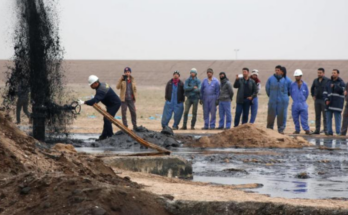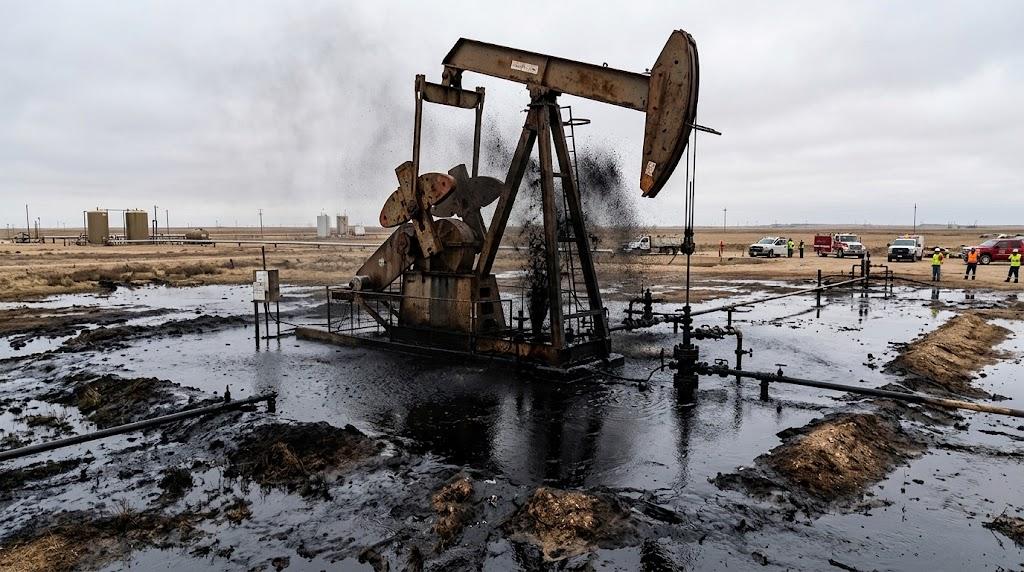
For nearly three weeks after the catastrophic blowout at Goumeri W-8, Niger’s government remained silent. Then, on October 12, 2026, officials finally acknowledged what observers had feared since September 25: an uncontrolled eruption of crude oil and gas was spewing from the well on the Agadem block, operated by CNPC Niger Petroleum. The blast, now labeled a “crisis of exceptional gravity,” has engulfed the area in a toxic plume and forced emergency evacuations.
How a 17-day delay turned a local incident into a national emergency
Initially, authorities dismissed the possibility of sabotage or terrorism. Yet the silence was deafening. Civil society groups like GREN had been warning for days about soaring health risks and irreversible environmental damage. By the time Niamey admitted the crisis, two workers had already been hospitalized—one with severe chemical burns. Temporary containment measures, including poorly constructed dikes and retention ponds, were rushed into place, but estimates of oil loss and soil contamination remain unknown.
The illusion of energy sovereignty crumbles in the face of technical failure
Niger has long touted its push for energy independence, mandating that 80% of CNPC’s workforce be local. But when a wellhead fractures under pressure, technical prowess—not national pride—dictates survival. The blowout exposed a glaring deficit: Niamey lacks the specialized engineers to cap a runaway well. That gap is now forcing a pivotal strategic question: can a nation truly control its resources without the right expertise?
Why Algeria’s Sonatrach became Niamey’s unexpected lifeline
With no clear path to resolution, Niger turned to Algeria and its state-owned Sonatrach—a company with 60 years of mastering Sahara oil crises. The partnership cements a diplomatic rapprochement: Algeria is already collaborating on refining permits and marketing Agadem crude. While Algerian engineers are conducting an independent audit to assess CNPC’s role, no timeline has been set for a permanent fix. Until then, the well continues to hemorrhage, and the land nearby suffers.
Unanswered questions loom over the future of Agadem’s oil
As the disaster stretches into its fourth week, three critical questions dominate national discourse: How much oil—already a backbone of Niger’s economy—has been lost forever? Will the contamination spread beyond local farms, crippling one of the poorest regions? And most urgently, when will a team with the right skills arrive to stop the gush?
What comes next: a test of resilience for Niger’s energy future
The Goumeri W-8 blowout isn’t just an operational failure. It’s a stress test for Niger’s energy ambitions. If Niamey cannot regain control without foreign intervention, the crisis may force a reckoning: Are local frameworks robust enough to ensure true energy sovereignty—or is real independence still years away?