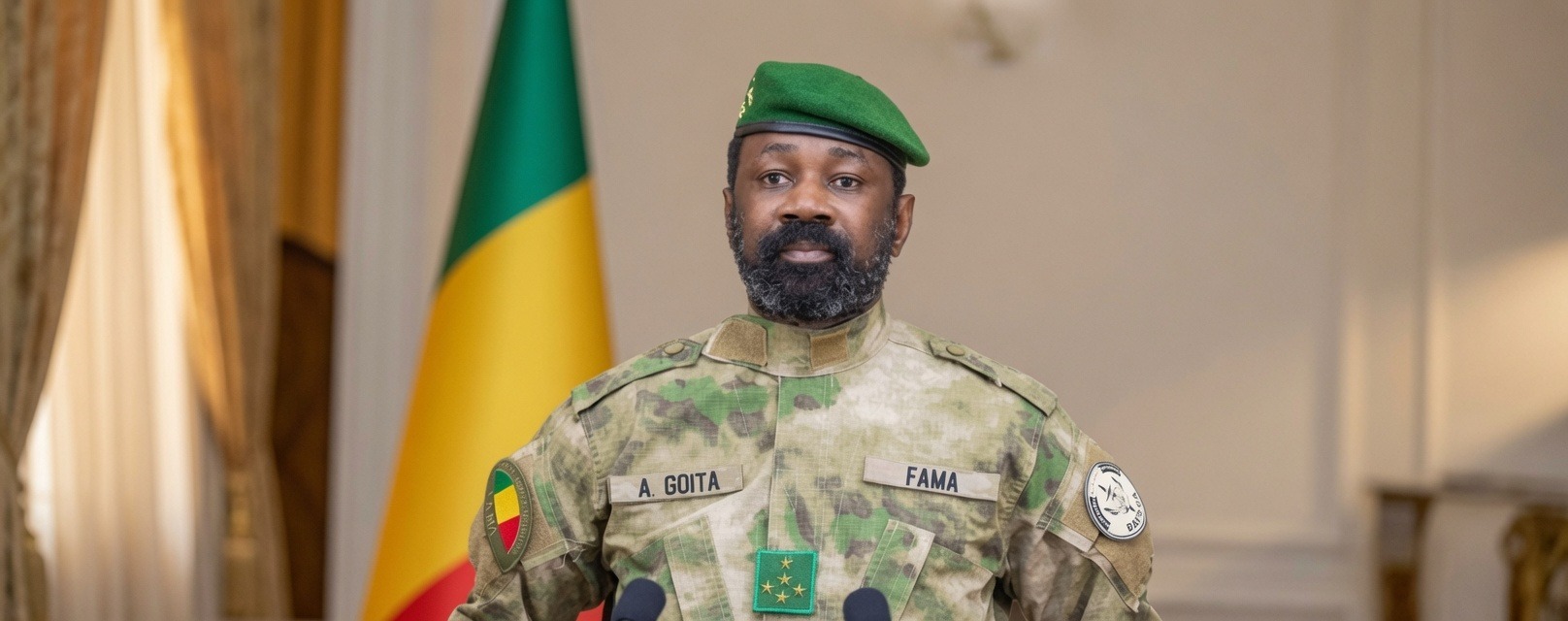
Ivory Coast’s intelligence chief, Vassiriki Traoré, arrives in Bamako on October 15, 2026, for an official three-day visit at the request of Mali’s security director, General Modibo Koné. The trip, part of broader efforts to ease tensions, comes as both nations face intensifying security threats across their shared border.
Security collaboration takes center stage in Bamako talks
The upcoming meetings between Traoré and Koné are set to focus on revitalising intelligence-sharing mechanisms and deepening cross-border security partnerships. The agenda reflects a shared recognition that isolated action is no longer sufficient amid escalating militant activity in the Sahel.
Why past conflicts continue to strain relations
Since Mali’s military leadership assumed power in 2020, political and diplomatic friction with Ivory Coast has deepened. Disputes over regional alliances, specifically ties with former colonial power France, alongside unresolved bilateral issues, have eroded mutual trust. A particularly divisive incident occurred in July 2022, when 49 Ivorian soldiers were detained in Bamako, accused by Malian officials of operating as mercenaries. While Malian courts sentenced them before later pardoning the group, Ivory Coast maintained they were UN-embedded peacekeepers—further fuelling mistrust.
Terrorism remains the unifying challenge
Despite their differences, both nations confront a common enemy: armed extremist groups wreaking havoc across the Sahel. Mali continues to face relentless assaults from Islamist militants, while Ivory Coast remains vigilant against spillover violence in its northern provinces bordering Mali. Enhanced intelligence cooperation could significantly bolster early warning systems, border monitoring, and real-time threat detection.
Traoré’s visit signals a tentative but timely opening in bilateral security relations. Whether this initiative can translate into sustained collaboration remains uncertain, yet the necessity for joint action has never been clearer.